Introduction
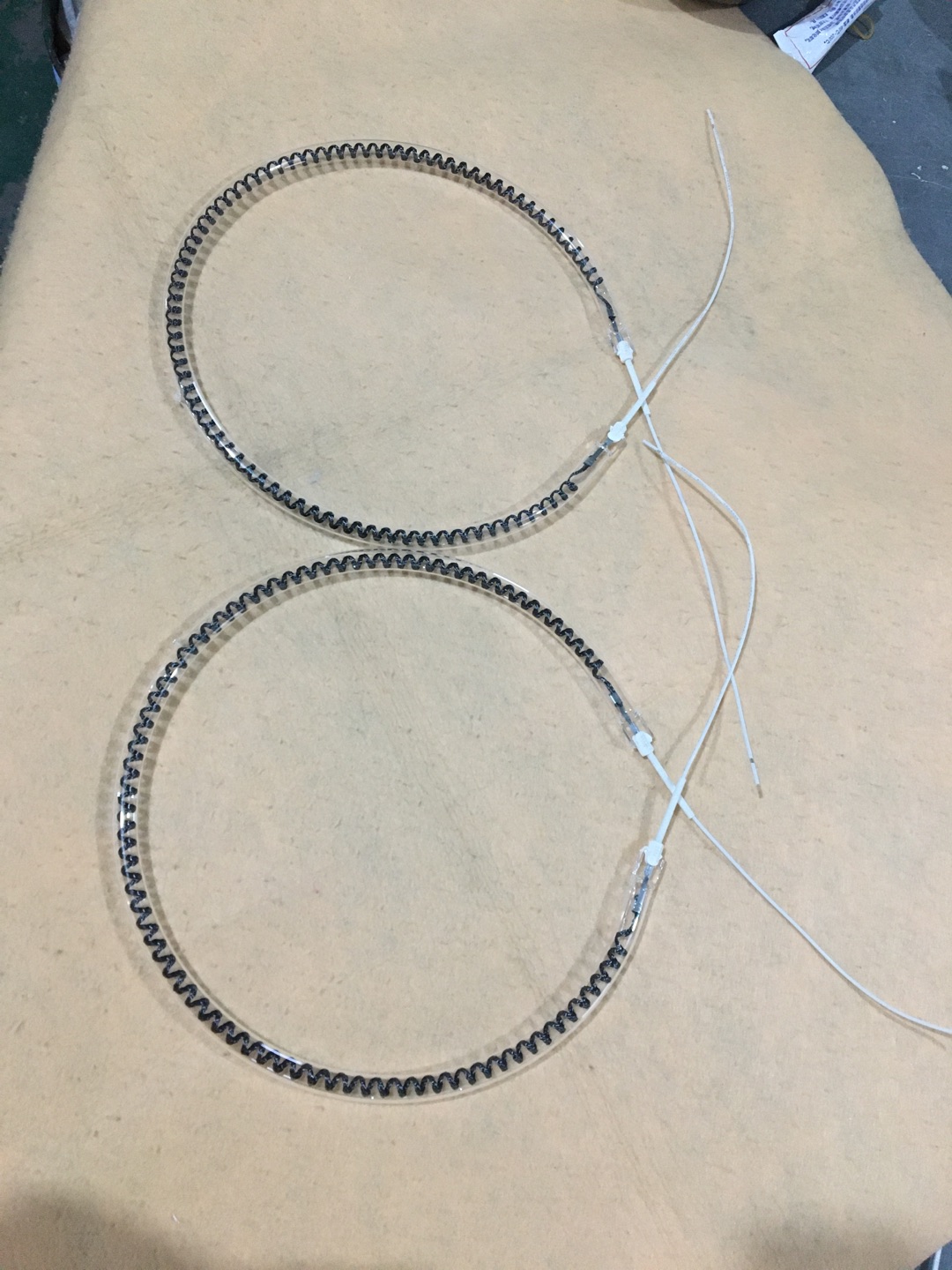
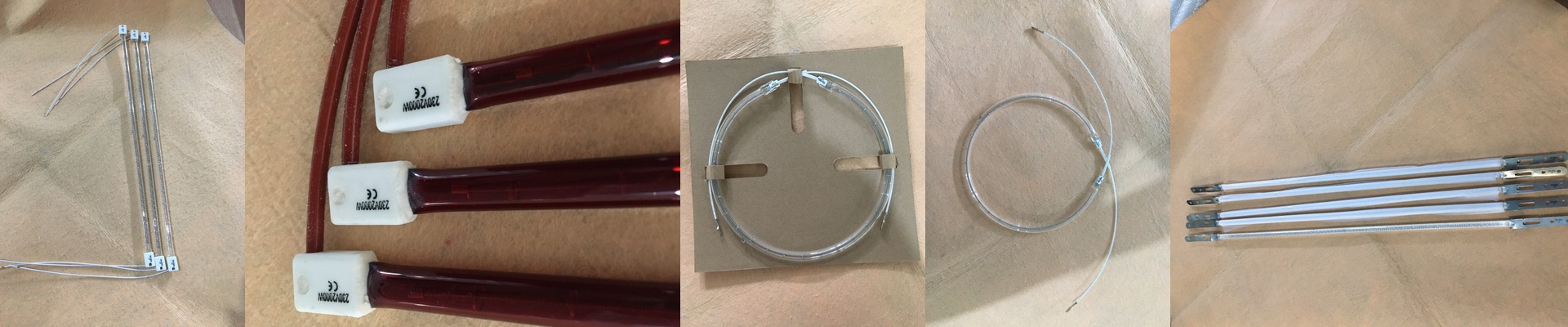
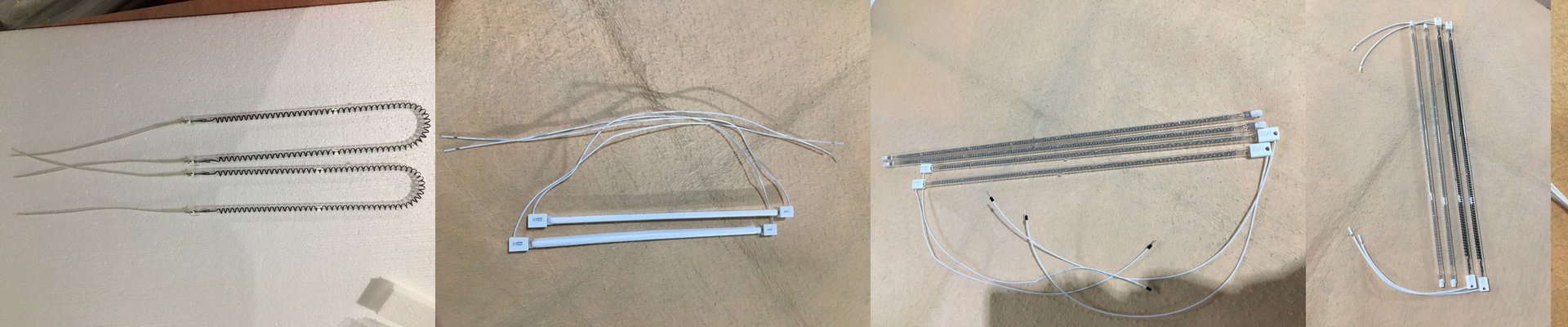
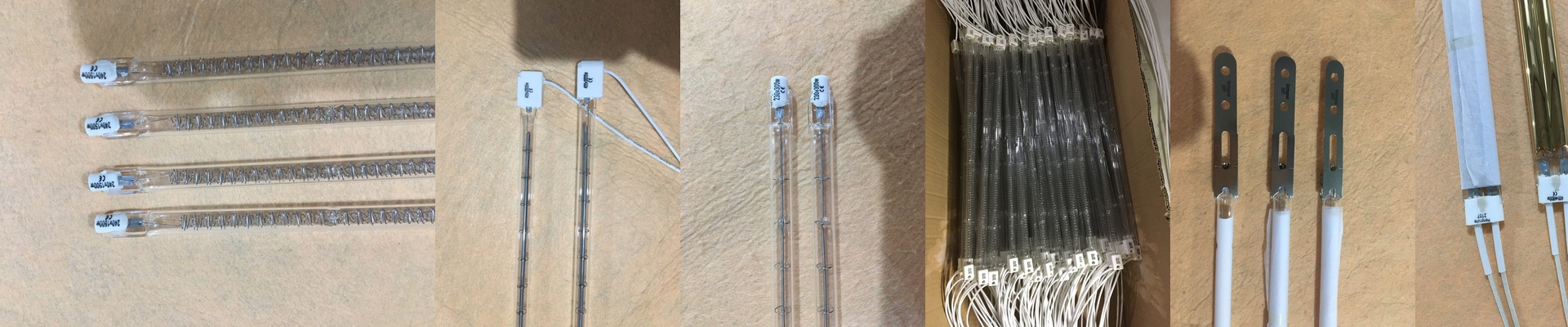
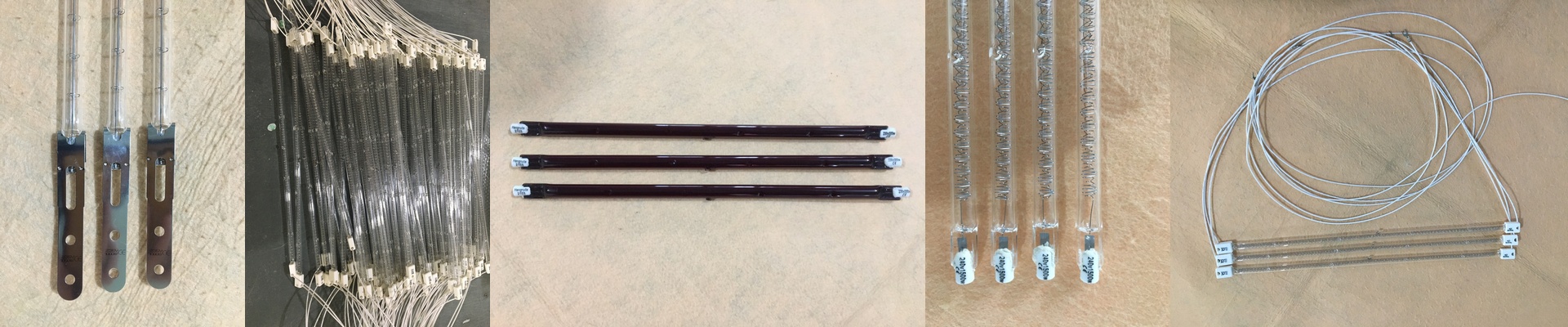
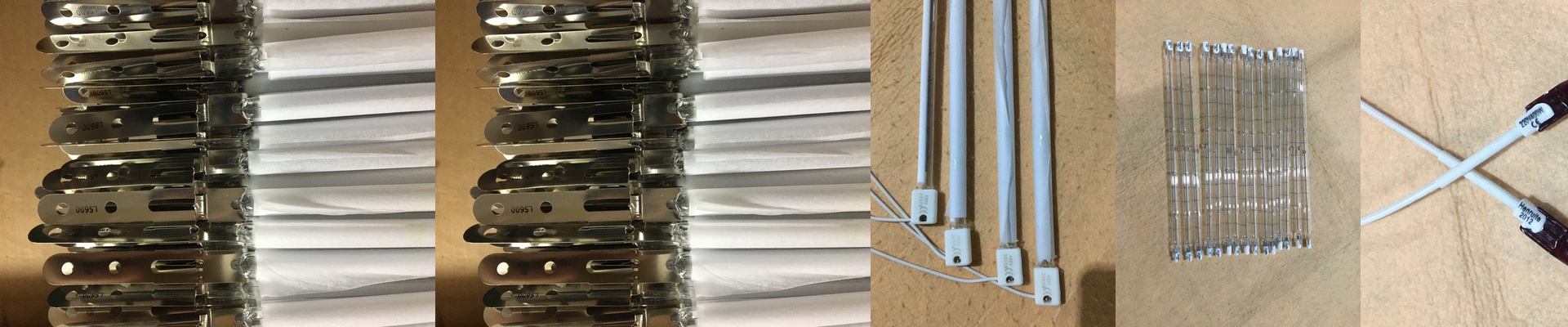
We built this 220V 500W single halogen quartz infrared lamp to be one thing: a compact heat powerhouse for industrial equipment. If you’re an engineer who needs precise, localized heating in a tight spot, this is the tool you reach for. It gets hot fast, stays steady, and gives you control when space is at a premium and you can’t afford guesswork.
Power, Voltage, and Size—What It Means on the Floor
It runs on 220V at 500W, so it pulls a predictable amount of current. That means you can use standard electrical setups without having to oversize your control gear. The single-ended design focuses the heat in one direction, which fits perfectly with machines that use reflectors and targeted heating zones. The wattage gives you enough heat density for small- to medium-area jobs, and the voltage keeps wiring straightforward and compatible with common industrial supplies. And the response? It’s fast. Full output hits quickly, so your cycle times stay tight. No waiting around.
The Materials That Make It Reliable
Halogen chemistry keeps the filament stable at high temperatures. That helps reduce blackening and keeps output consistent over the life of the lamp. The quartz envelope handles the shock of rapid on/off cycling and transmits infrared efficiently. The shortwave infrared profile gets absorbed quickly by many industrial materials, so you heat the spot you need—without warming the whole machine enclosure. The R7s base gives you a secure, aligned connection and makes replacement simple in linear sockets. Swap it in, get back to work.
Where It Shines—and What to Keep in Mind
You’ll see this configuration used a lot in plastic processing—preheating, sealing, forming—and in packaging and assembly equipment where a small, fast heater matters. With 220V power, a compact footprint, and shortwave infrared, you get predictable heat placement and repeatable control. Here’s the trade-off: 500W density means you need adequate airflow and proper thermal management around the lamp. If nearby components aren’t heat-rated, add shielding or re-route the airflow. Plan for it, and it just works.