Stop Heating Your Ceiling: Why IR Beats Steam for Wood Drying
A lot of shops are still clinging to steam heating. I get it—it’s how things have always been done. But let’s be honest: the overhead is a nightmare. Between the leaky pipes and the constant boiler headaches, you’re spending a fortune just to keep the equipment running. And the worst part? Most of that heat never even touches the wood.
Where the energy actually goes
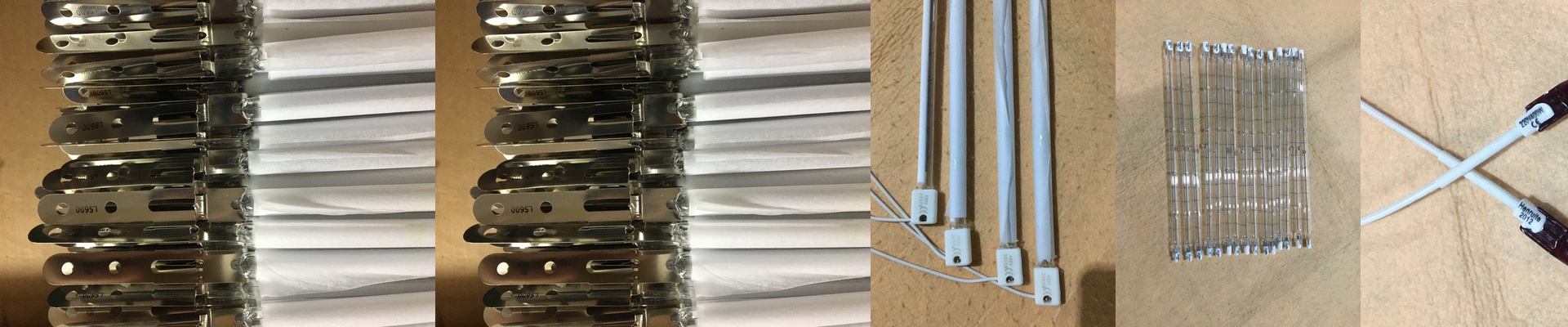
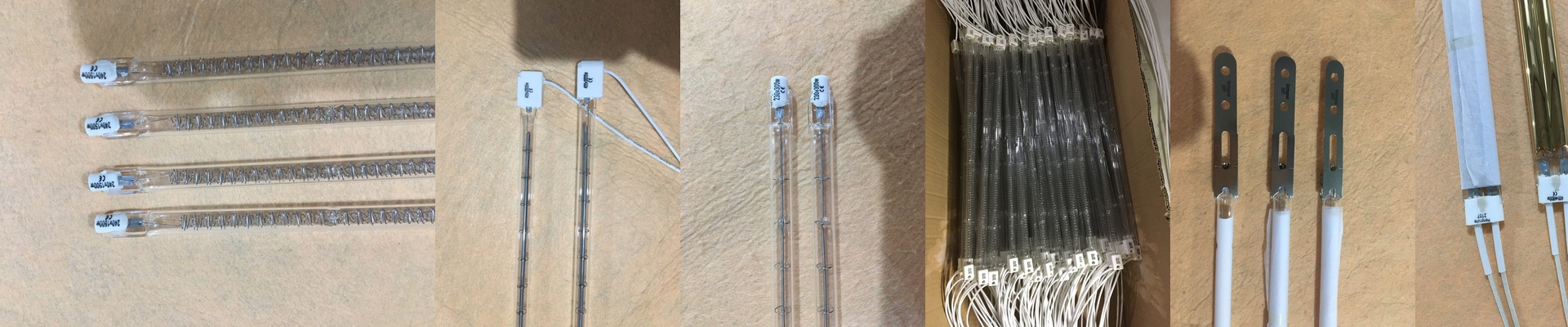
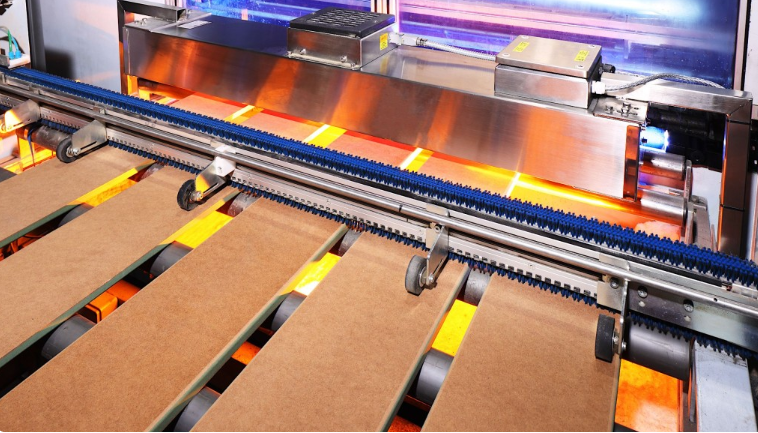
Think about it. Steam systems basically try to bake the entire room just to dry a few pieces of lumber. It’s a waste of money. Infrared is different. Instead of heating the air, IR lamps shoot energy straight into the wood. It’s almost instant. While a steam dryer takes hours to get up to temperature, IR hits full power in seconds. You stop paying to heat the warehouse ceiling and start putting that energy where it actually belongs.
The money talk
Yeah, the upfront cost for IR hardware is there. But you have to look at what you’re getting rid of. No more constant water treatment. No more endless boiler maintenance. You’re trading those annoying, recurring labor costs for a one-time investment. For most plants, the math works out pretty quickly. Usually, within 12 to 18 months, the savings on electricity and faster cycle times pay for the whole system.
The trade-off
One thing I love about IR is the control. You can set different power levels for different parts of the wood. This means you don’t end up with scorched edges while the center is still damp. But, here’s the catch. IR is intense. If you crank the heat too high and your conveyor is moving too slow, you’re going to burn your product. You can’t just flip a switch and walk away like you do with a steam pipe. You’ll need a decent PID controller to keep the heat in check.
More space, fewer headaches
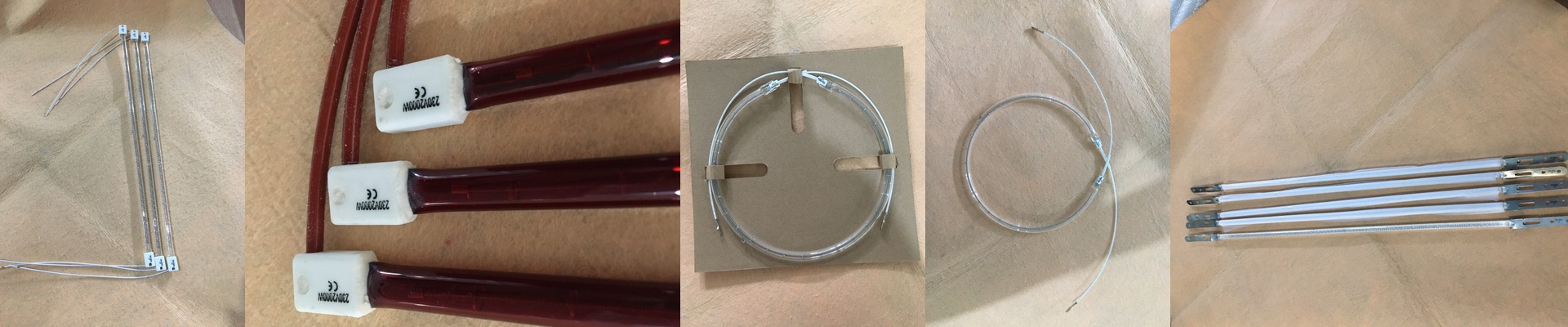
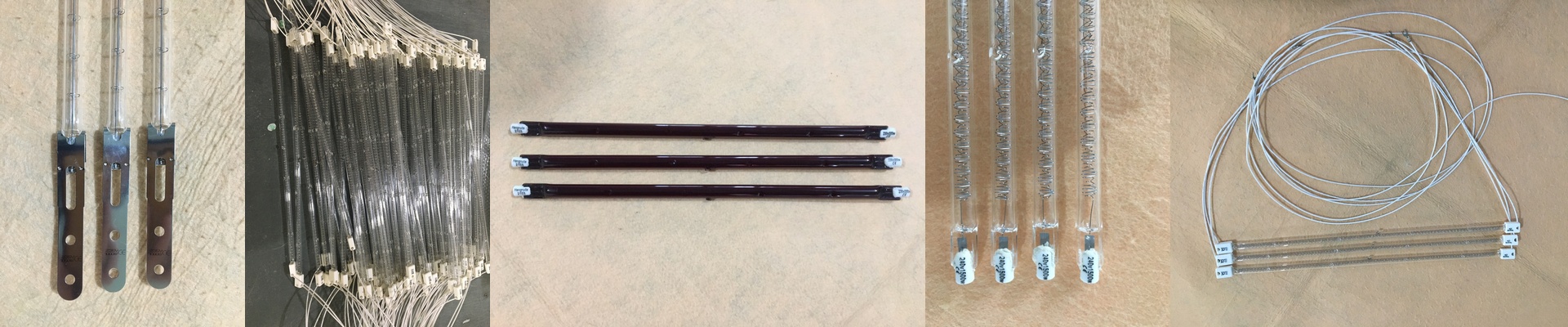
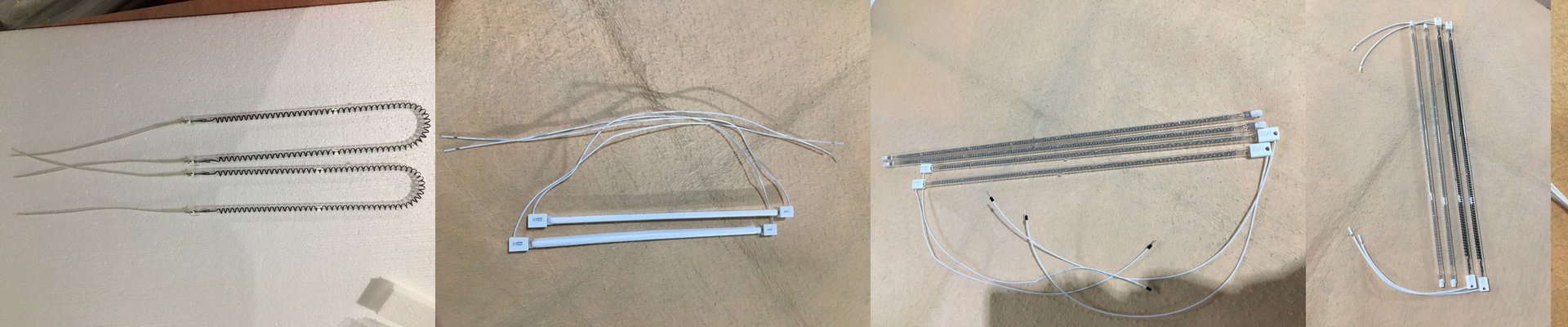
When a steam valve bursts, your whole line goes down for a day. It’s a mess. With IR, if a tube burns out, you swap it in five minutes and get back to work. Plus, you get your floor space back. You can rip out those bulky, rusted pipes and replace them with compact IR banks. Suddenly, you have room for another machine—or at least some breathing room for your crew.