
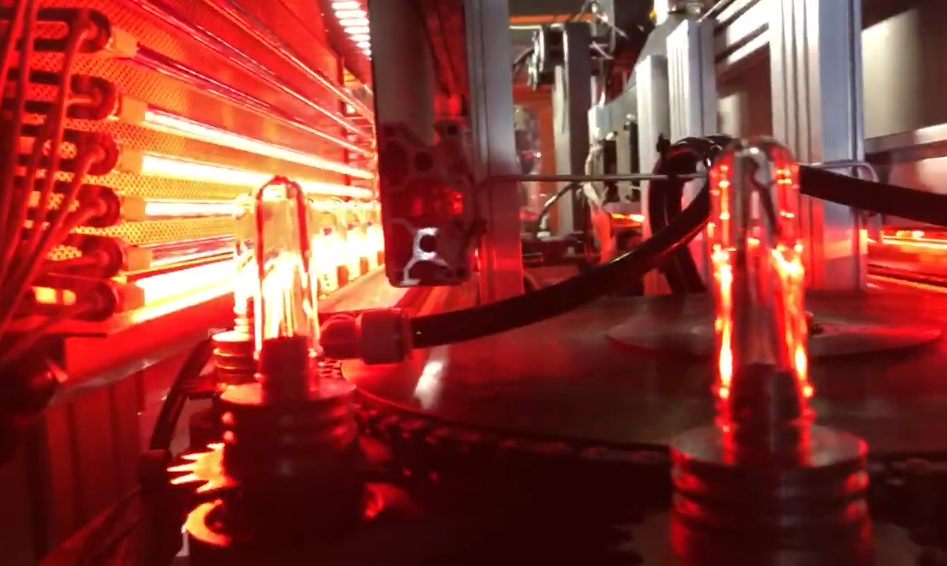
Getting Your Sidel Matrix Oven Back in Sync
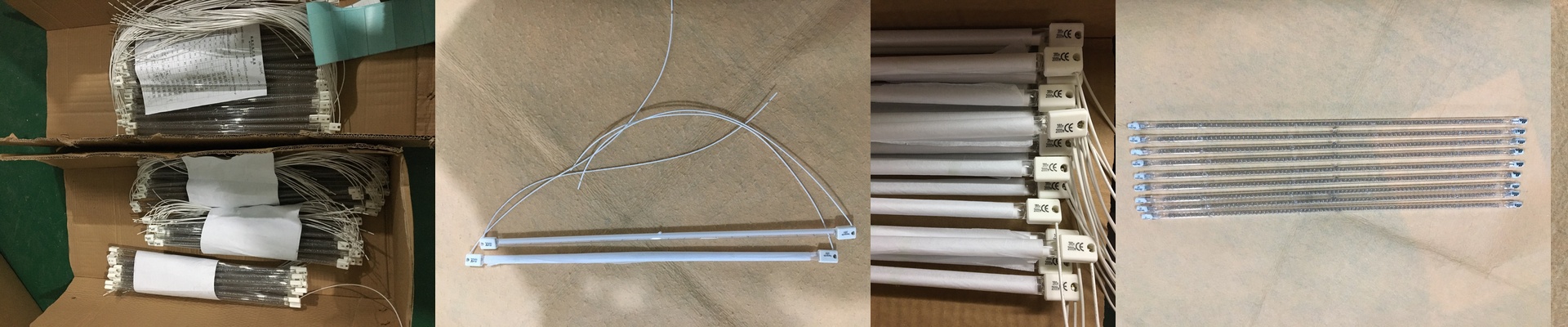
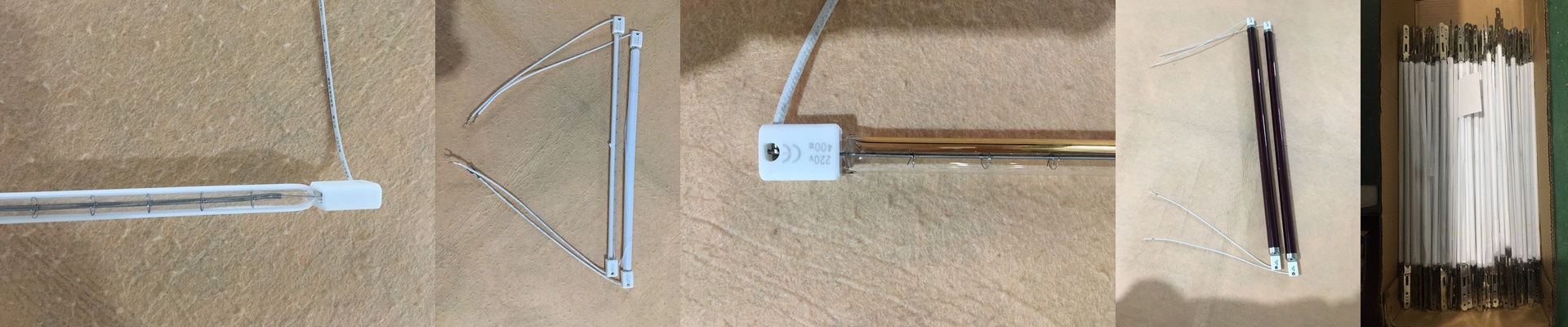
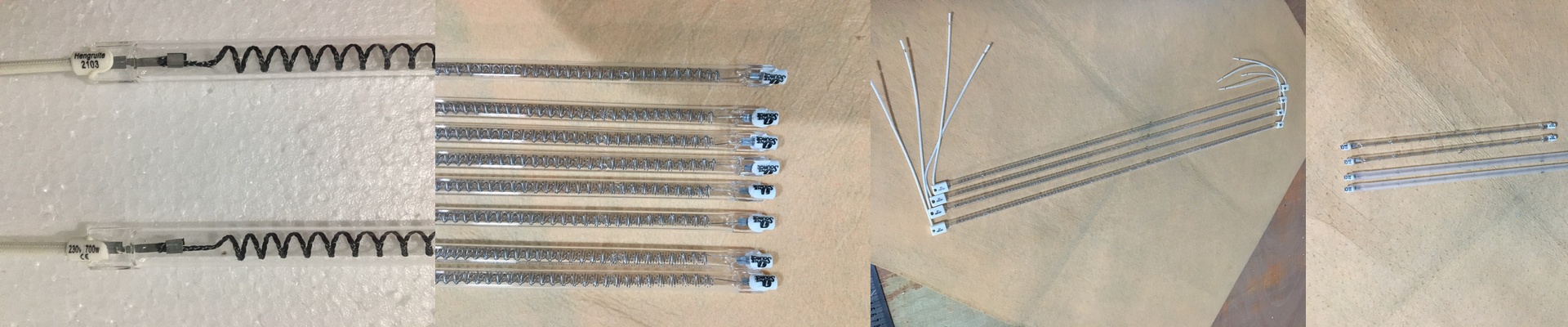
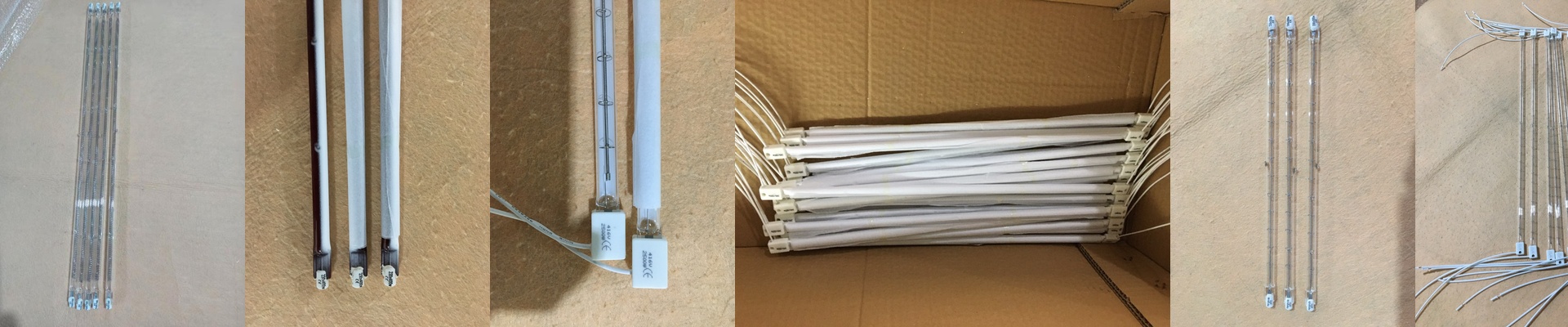
Here’s the deal with swapping out infrared lamps in a Sidel Matrix oven: the biggest headache isn’t the installation. It’s the temperature curve. If your new lamps have a different wattage or the spectral output is slightly off, you’re going to see it in your bottles. You’ll get weird wall thickness or that annoying pearlescent haze. It’s frustrating, and it wastes a lot of plastic. We build our lamps to be a mirror image of the OEM specs so you can just plug them in and get back to work. It’s more than just voltage Most people think matching the voltage and wattage is enough. It isn’t. We spend our time calibrating the heat density across the entire length of the tube. Your machine’s PLC expects the infrared radiation to hit the preform at a very specific wavelength. If the resistance is off by even a few ohms, your heat-up time shifts. That means you’re stuck spending hours tweaking oven zones. We keep the tolerances tight so you don’t have to do that. The hardware side of things We use high-purity quartz and specific halogen fills to keep the color temperature stable. Everything—the footprint, the connectors—is designed to be a drop-in replacement. No modifying sockets. No messing with brackets. Just a clean swap. The real secret is the coating on the quartz. It filters the spectrum so the heat actually sinks into the PET wall instead of just scorching the surface. A quick reality check Now, there’s a catch. High-wattage shortwave lamps pump out a massive amount of energy. That’s great for high-speed lines, but it’s hard on your reflectors. If your reflectors are pitted or oxidized, even a perfect lamp won’t save you. The energy just bounces around as waste heat, which makes your cooling blowers scream just to keep the oven frame from overheating. It’s worth checking your reflectors while you’re in there changing the lamps.