
Getting Your Sidel Matrix Oven Back in Sync
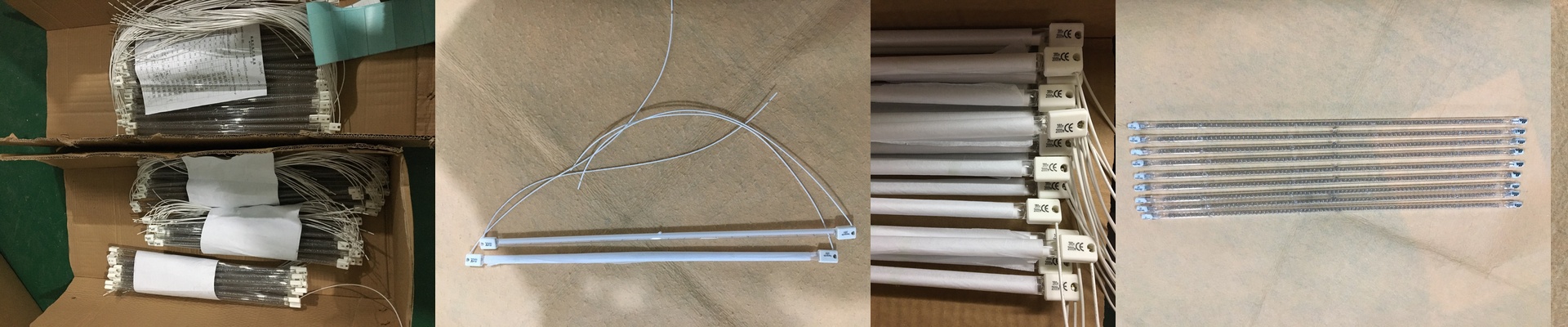
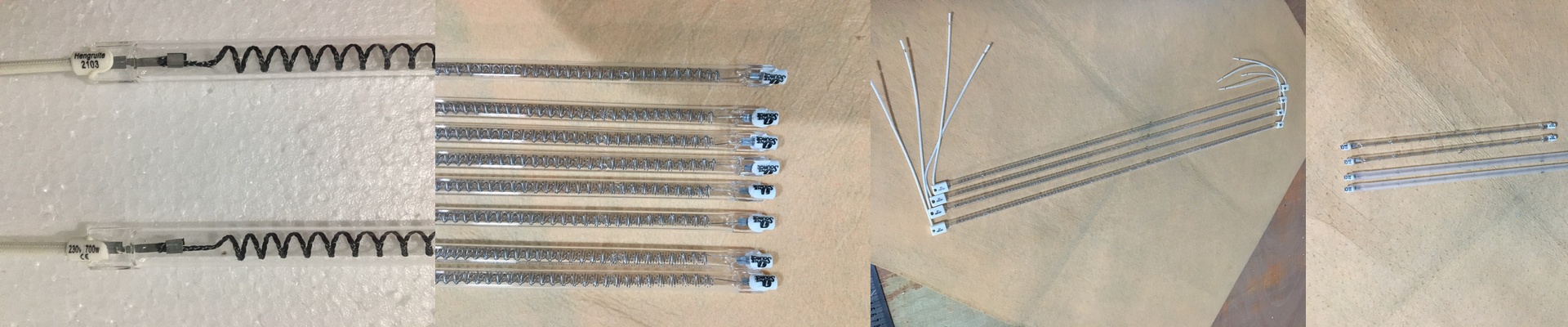
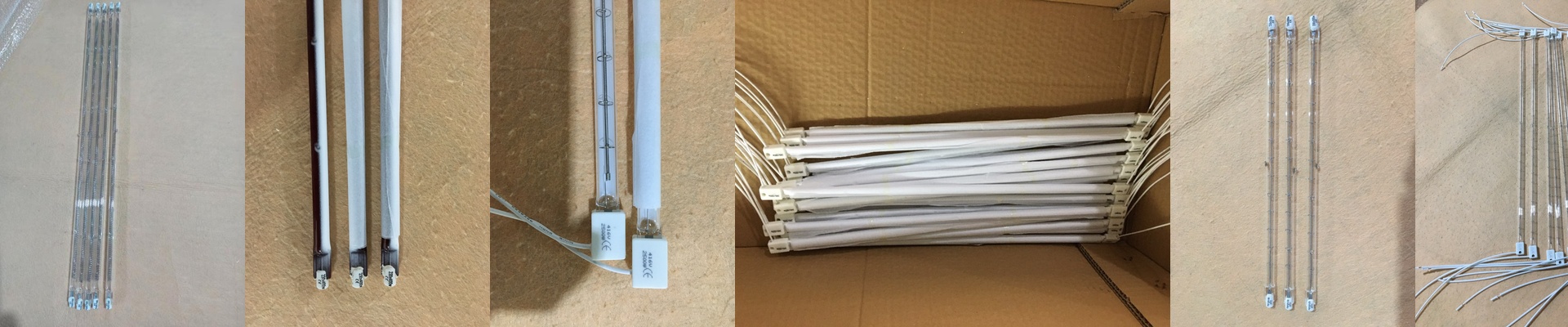
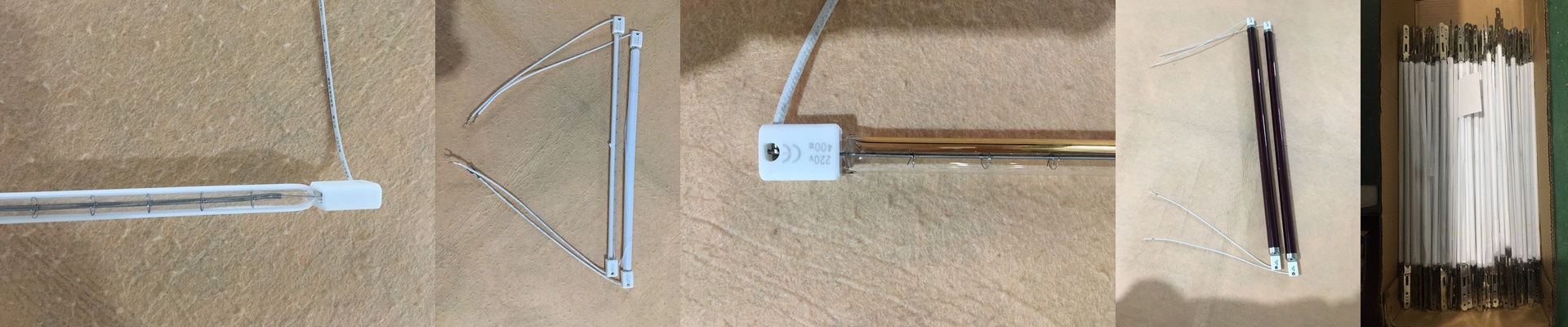
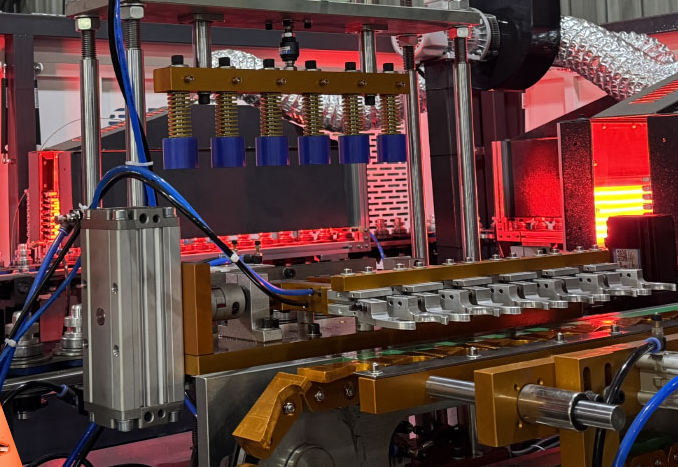
Here is the problem when you swap out the original IR lamps in a Sidel Matrix oven: the temperature curve loves to shift. It sounds like a small thing, but if the wattage or the light spectrum is even a tiny bit off, your preforms won’t heat up evenly. That’s how you end up with bottles that have weird wall thickness or that cloudy, “pearlescent” look that ruins a batch. It’s a headache you just don’t need. Matching the heat, not just the numbers We don’t just look at the voltage and wattage on a spec sheet and call it a day. That’s the amateur way. We obsess over the heat density per millimeter. If your setup calls for 230V/1500W, we tweak the tungsten filament diameter and the coil pitch until the infrared profile is a mirror image of the original. Why? Because it means your heat flux stays the same. You won’t have to spend your entire weekend messing with oven timing or conveyor speeds just to get the bottle right. It just works. The nitty-gritty on fit and feel We use high-purity quartz glass because nobody wants their lamps clouding over prematurely. We also use a halogen fill optimized for short-wave radiation. It basically punches through the PET wall faster, which is exactly what you want. As for the installation? It’s a simple drop-in. We use standard R7s or Sk15 connectors, so you aren’t rewiring the whole housing. And we’re sticklers about the size. If a lamp is off by even 2mm, it sits crooked. That creates “cold spots” in your heating zone, and suddenly your bottles aren’t uniform. We make sure the footprint is exact. No gaps. No wiggle room. A few things to keep in mind These high-wattage, short-wave lamps pack a serious punch. All that heat density puts a lot of pressure on your power supplies and cranks up the temperature inside the oven. Because of that, you’ve got to keep your cooling fans clean. If the airflow is choked, the lamps run hotter than they should, and your filaments will burn out way too fast. One last tip: keep those reflectors polished. It’s the easiest way to make sure you’re getting every bit of thermal efficiency out of the system.