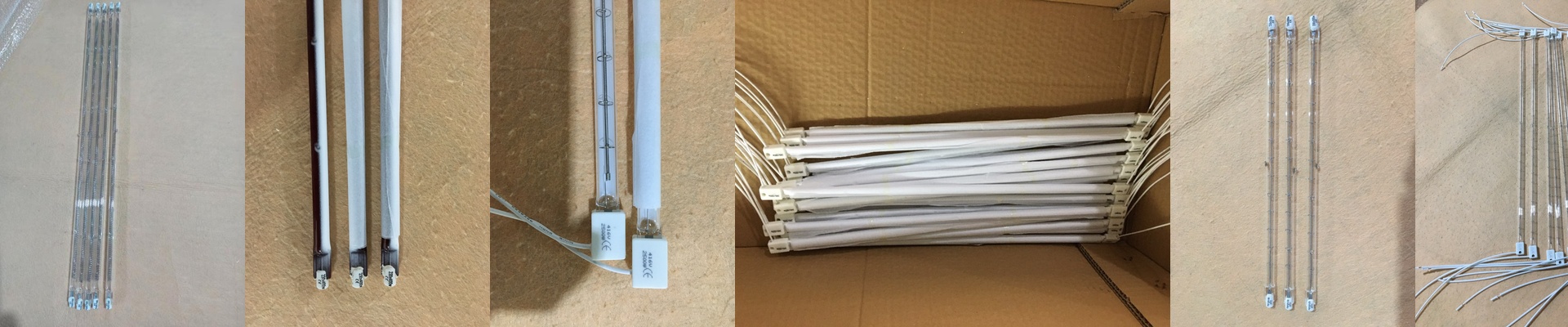
Getting a Handle on IR Halogen Heating Lamps
If you need to move a lot of heat, and you need to do it fast, IR halogen lamps are your best bet. We’re talking about the kind of power you need for blowing PET bottles, curing car paint, or drying industrial parts on a tight schedule. They don’t just warm things up—they hit the target with a massive burst of short-wave infrared radiation.
The Power Side of Things
Here’s the thing about voltage and wattage: they control exactly how much heat you’re throwing at your project. When we’re dealing with longer tubes, we usually go with higher voltages—like 230V or 400V. Why? Because it keeps the temperature steady from one end of the filament to the other. Now, a 2500W lamp is an absolute beast. It puts out an incredible amount of heat. But be careful. If your wiring or power supply isn’t up to the task, you’re going to burn through your lamps way too quickly. And if your cooling system can’t keep up with the ambient heat? Your housing is going to warp. It’s a mess you definitely want to avoid.
Glass, Coatings, and Connections
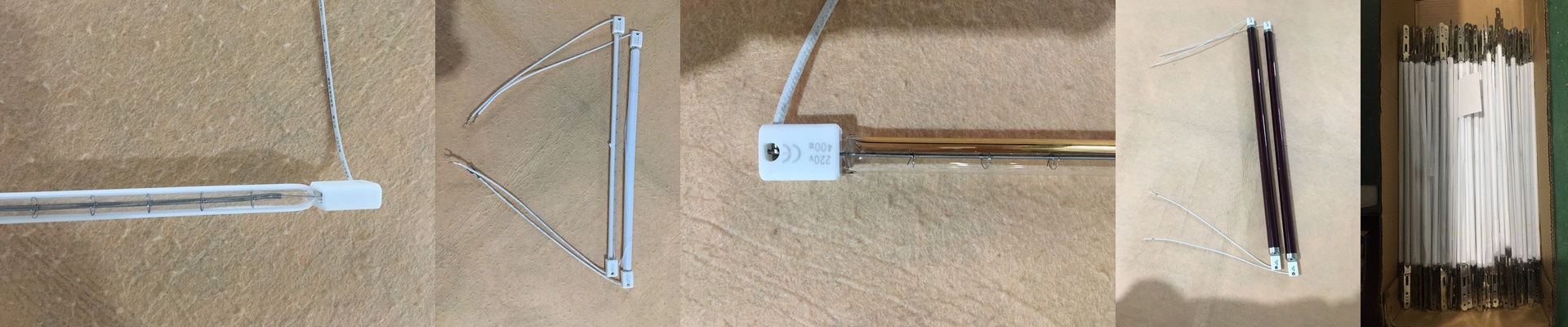
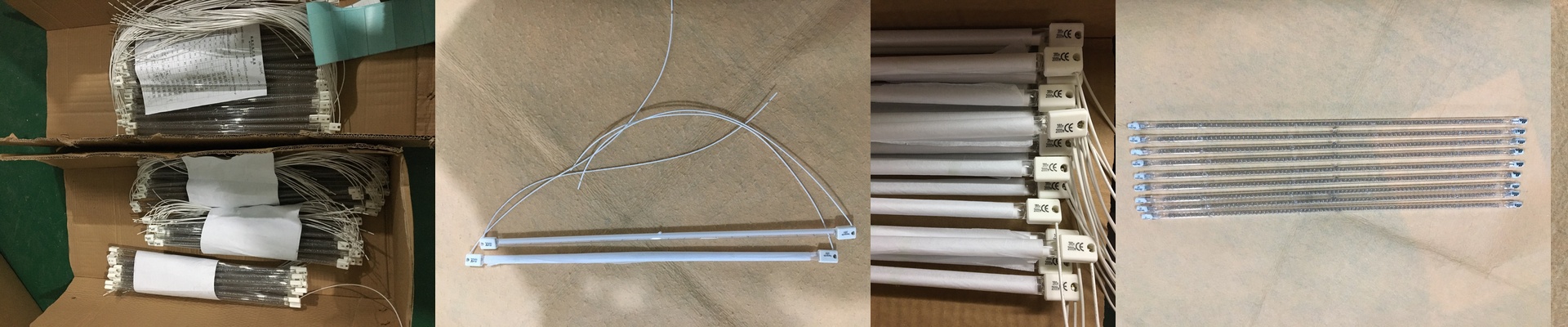
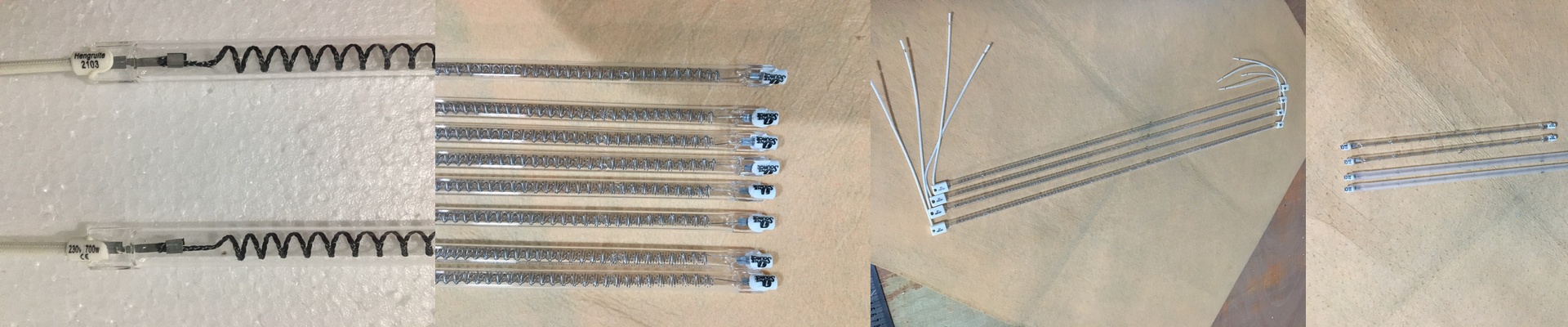
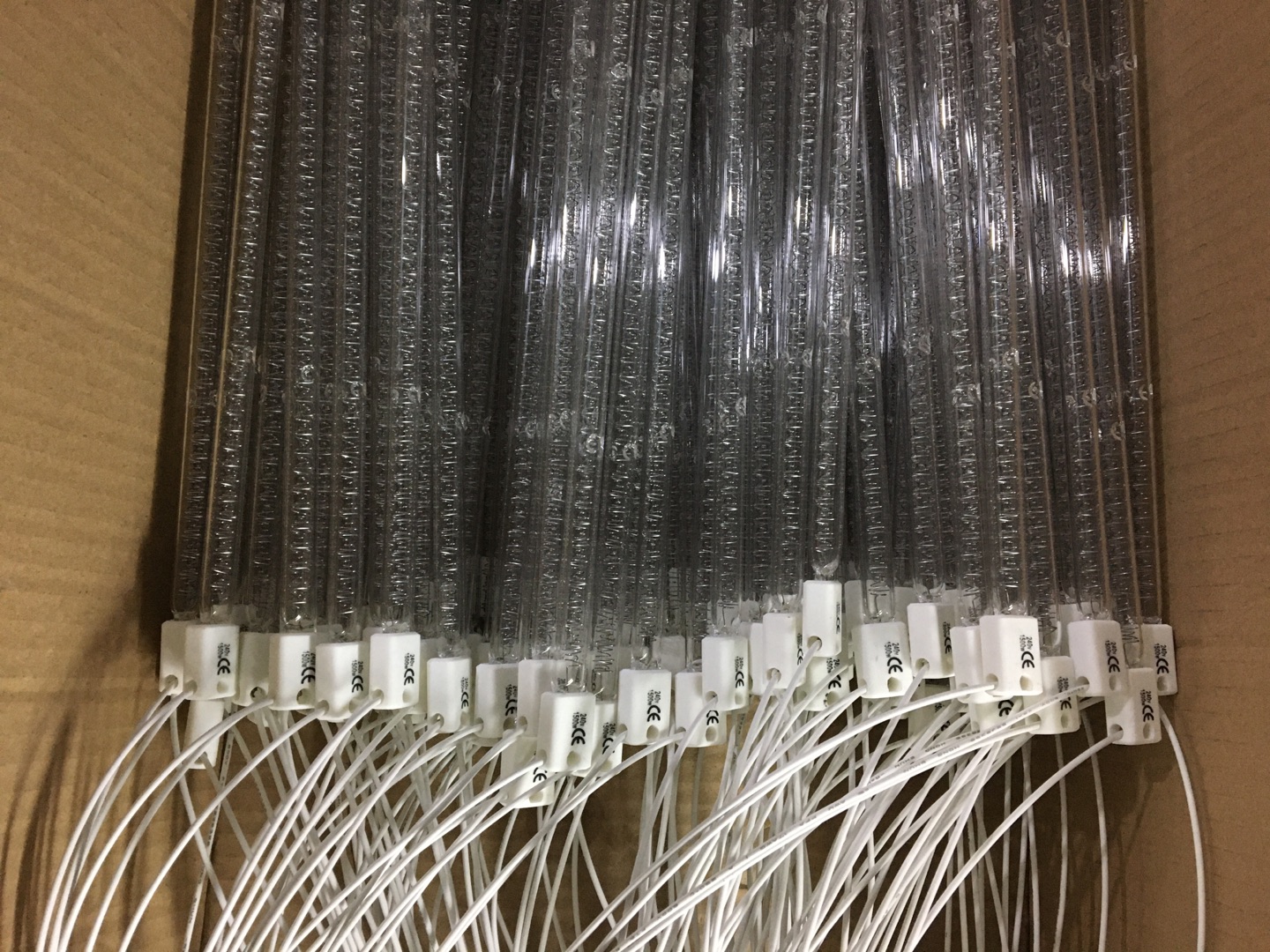
We use high-purity quartz glass for these. It’s not just for durability; it allows the “halogen cycle” to work. This basically stops tungsten from gunking up the inside of the glass, so the tube stays clear and the heat stays consistent over time. Plus, some of our lamps have special coatings. These shift the heat spectrum so the energy actually hits your part instead of just heating up the machine frame. It’s a much smarter way to work. As for getting them installed, we use R7s or Sk15 connectors. They’re simple drop-in replacements for most industrial heaters. They snap in tight and don’t wiggle, which is exactly what you want when the factory floor is vibrating around them.
The Trade-offs (And how to handle them)
Short-wave IR is incredibly fast. It hits the target almost instantly. But there’s a catch. Because the energy is so concentrated, it’s easy to accidentally scorch the surface of your part before the center even gets warm. To stop that from happening, I always recommend using a PID controller paired with a fast-response thermocouple. It gives you the precision you need. And honestly? The secret is all in the spacing. Getting the distance between the lamp and your workpiece just right is the only way to speed up your production without ruining your parts.
- Halogen
- Shortwave
- IR Heating
- Quartz
- PET Blowing
- Ir
- Lamps
- High-Quality-Short-Wave-Heating-Lamps-700mm-230v-1200w-for-Blowing-Machines
- 1000w-230v-R7s-Half-White-Plated-Halogen-Ir-Lamp-Infrared-Heat-Lamp-Heater-for-Pet-Bottle-Blowing-Machine
- Hot-Selling-Ir-Heater-Lamp-Quartz-Infrared-Heating-Element-Heat-Lamp-for-Blowing-Machine
- 230v-2000w-Clear-Infrared-Quartz-Heat-Lamp-With-Sk15-for-Pet-Blowing-Machines
- Sk15 Tungsten Quartz Infrared Heating Lamp for Pet Blowing Machine
- 350mm 220v 1500w Halogen Infrared Heat Lamp for Pet Blowing Machines Plastic Moulding
- 2500w 415v R7s Replacement Infrared Lamp Halogen Infrared Lamp Heater for Pet Blowing Machine
- 1600w 240v Sk15 Infrared Heating Emitter Halogen Lamp for Pet Blowing Machine
- 400v 3000w Heat Emitters Infrared Heat Lamp for Pet Blowing Machines
- 230v 2000w Half White Coating Infrared Quartz Heat Lamp for Pet Blowing Machines