Why the best automated brooding setups stick with our custom infrared heat lamps
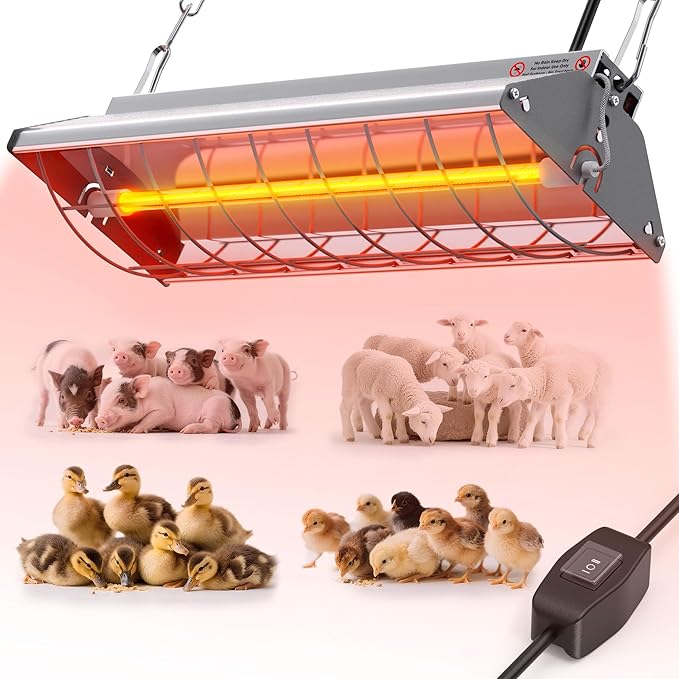
We built these lamps for one reason: to handle the daily grind of fully automated brooding. The whole point is simple—give you heat that’s steady, easy to control, and keeps chick development right on track. No more crossing your fingers that an off-the-shelf heater will hold up.
Power, voltage, and size—why it all works together
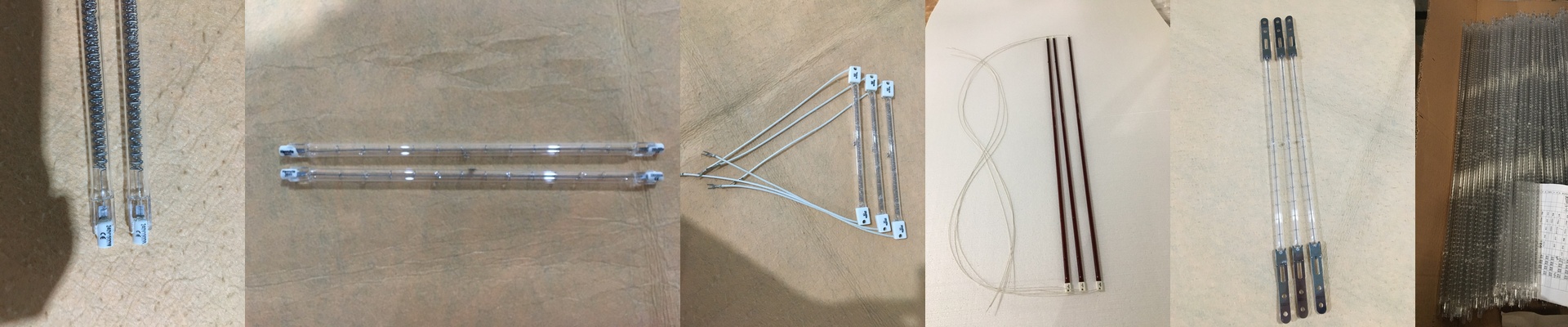
Here’s the thing about our standard setup: it runs on a 400V high-voltage supply, delivers 2500W of power, and fits into a 300mm tube. None of that is by accident. Running at 400V means you pull less current for the same wattage. That lets you use thinner wiring and cuts down on voltage drop, even across long stretches in big brooding houses. The 2500W gives you the heat density you need to hit target temperatures fast. And the 300mm tube keeps the footprint small, so you can pack serious heating power into tight spaces without redesigning the whole machine.
Built to take the heat—materials and design that matter
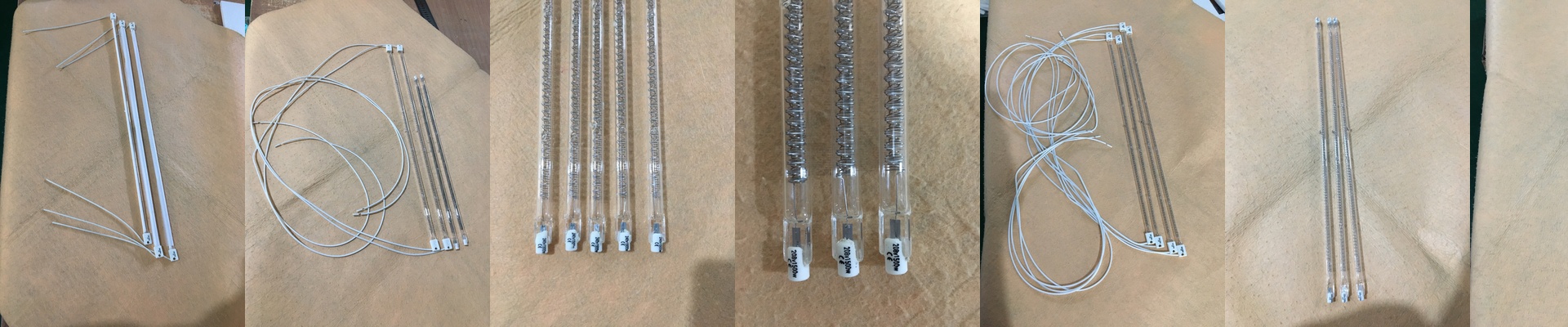
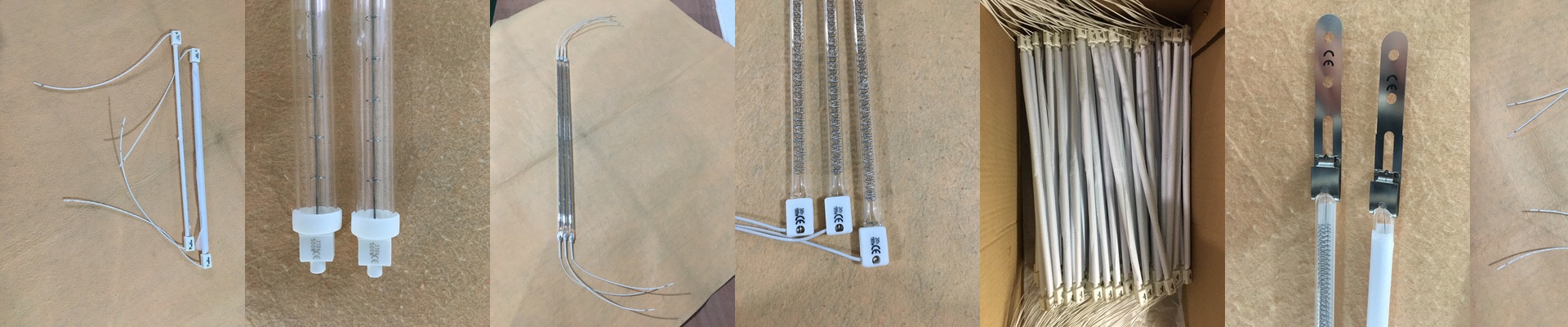
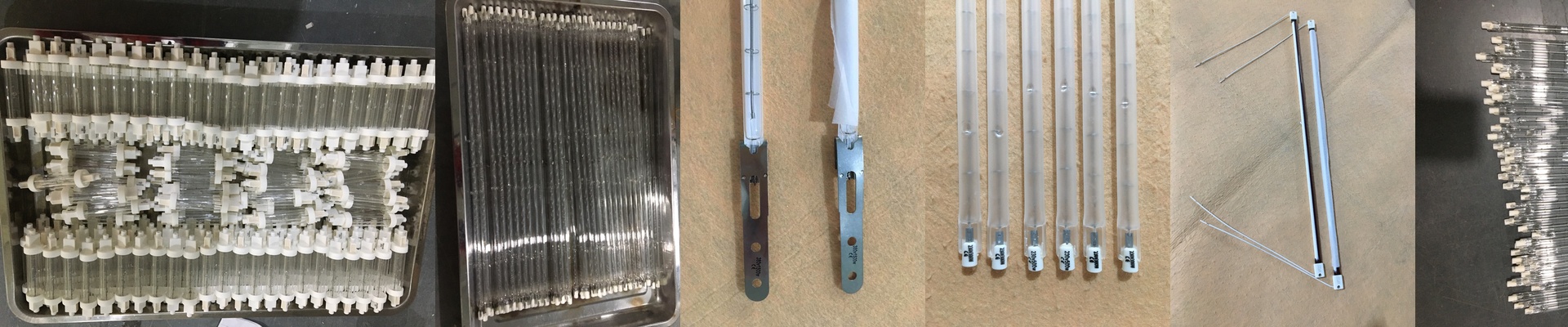
Inside, you’ve got a halogen-filled quartz envelope. It’s tough, handles high temps, and keeps the infrared output stable. A special reflective coating on the inside pushes more energy forward, so less heat goes to waste and nearby parts stay protected. The R7s connector is direct-wire, built to carry high current and handle high heat without relying on plastic housings that can warp. And it drops right into most automated fixtures. So when it’s time to swap a lamp during routine maintenance, you can do it without rewiring or tweaking the system.
What it feels like when it just works
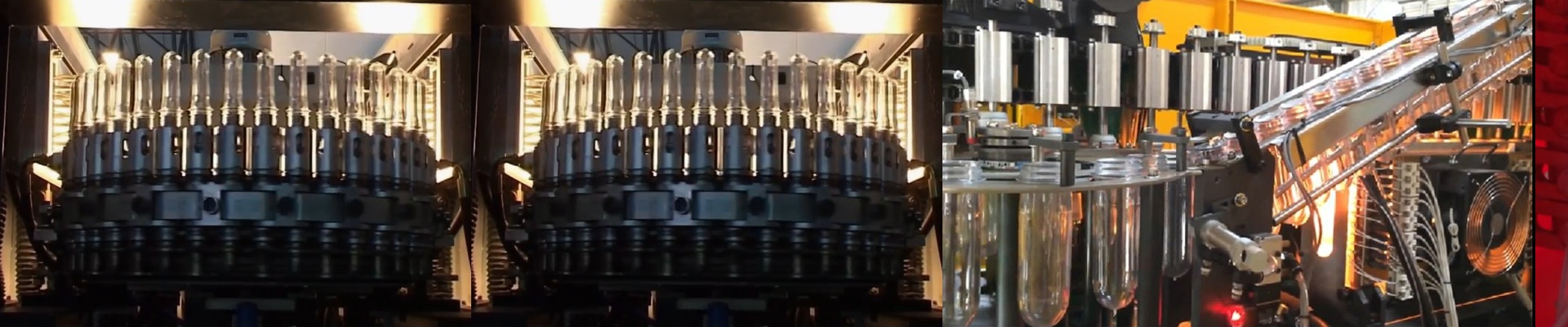
In automated brooding, the lamp isn’t just a heater—it’s part of the production line. It has to turn on and off exactly when it’s told, hold steady output, and keep going through constant vibration and temperature swings. Our custom lamp gives you repeatable performance, responds quickly, and lasts. There is a trade-off, though: that 2500W density means your machine’s cooling and ventilation need to be properly sized. When they are, you get predictable temperature control, fewer burnouts, and way fewer surprise stoppages.