Stop Fighting Your SIG Blomax Lamps
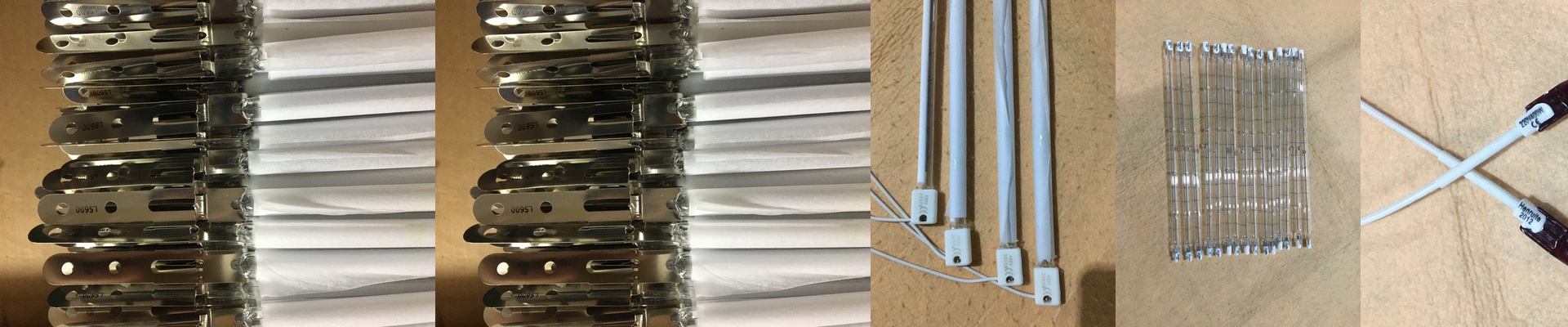
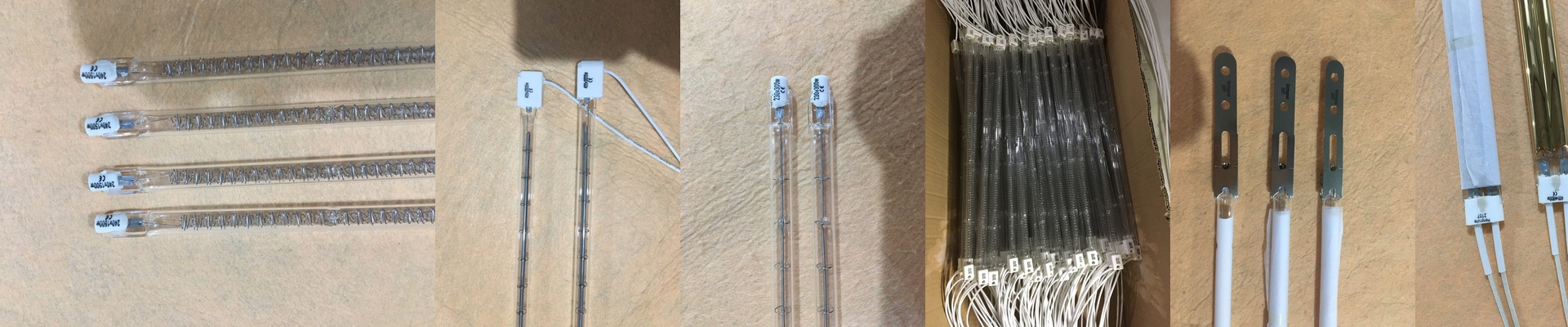
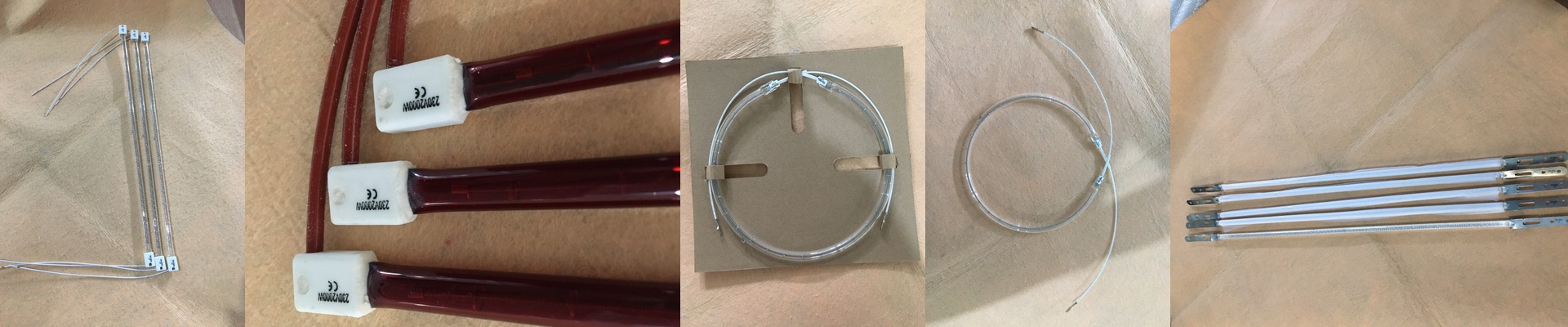
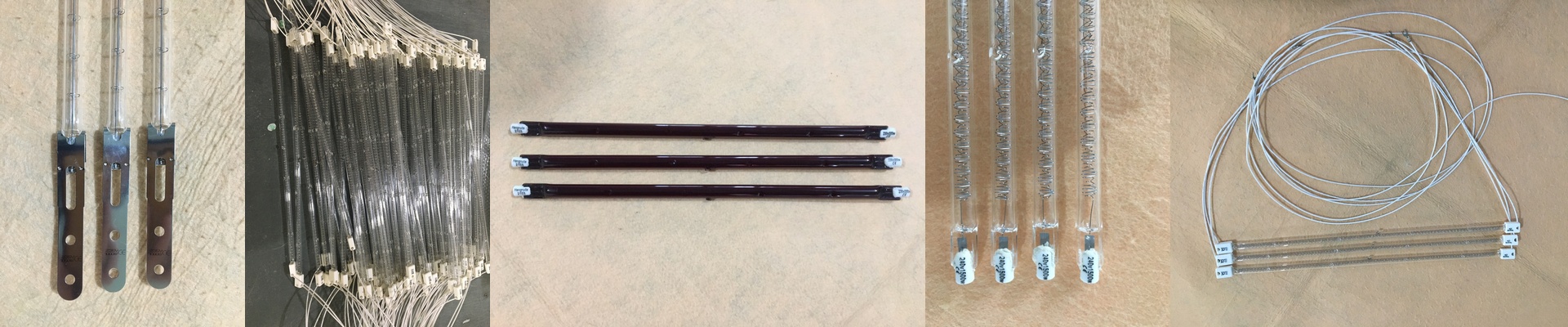
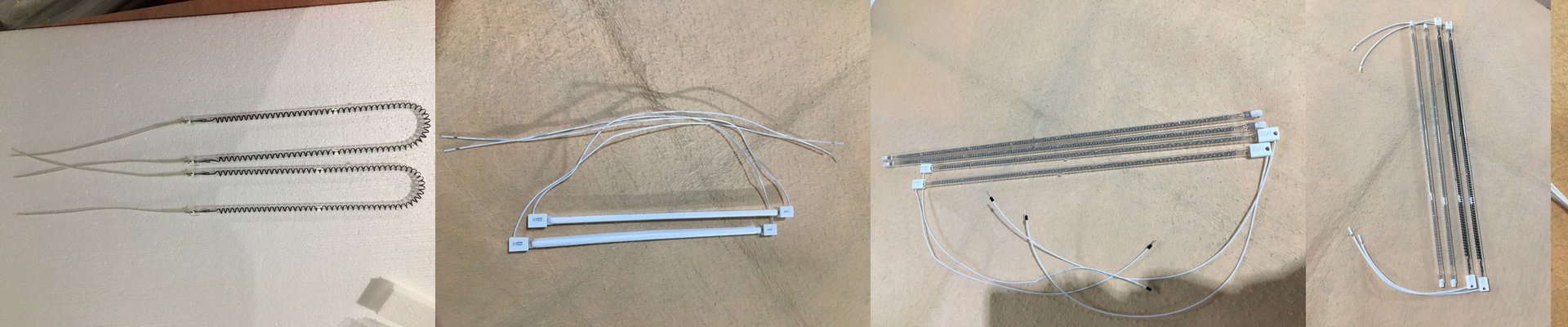
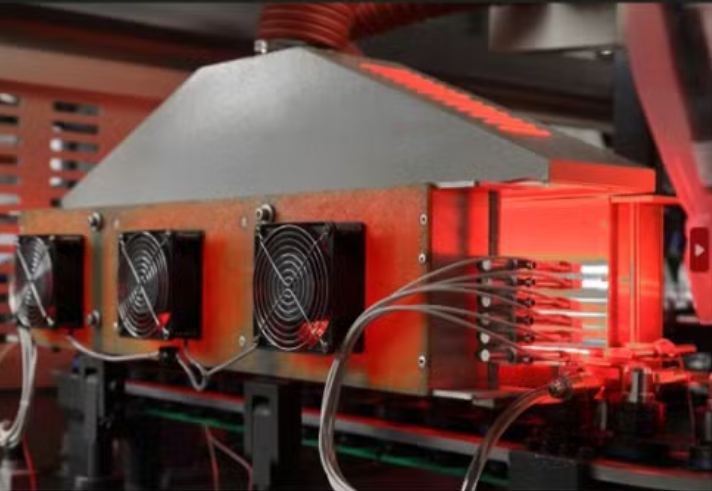
There is nothing more frustrating than a SIG Blomax line grinding to a halt because a lamp burned out. Again. It kills your OEE and turns your shift into a game of whack-a-mole. The problem is that standard IR lamps just aren’t built for this. Between the constant heat cycling and the vibration of high-speed PET blowing, they basically get shaken and baked to death. We got tired of seeing that happen, so we rebuilt the internal structure of our lamps. They’re a direct drop-in replacement, but they’re designed to actually survive the environment they live in. Why these don’t just snap Most halogen tubes give up the ghost at the pinch seal or where the electrode hits. We fixed that by using a reinforced quartz envelope and tightening up the filament tension. This stops the tube from bowing when things get hot. We also tweaked the tungsten grain structure to slow down evaporation. In plain English? The lamps don’t “black out” nearly as fast. This matters because you get a steady, consistent heat profile across the preform. When your heat is wonky, you get those annoying thin spots in the bottle wall. Our design keeps the output stable, even after a long run. Getting them installed You don’t need to rewire your machine or call in a specialist. These are built to match the exact footprint of the SIG Blomax oven. We use standard industrial connectors, so you just plug them into your existing loom and you’re good to go. One quick heads-up: high-wattage IR lamps put out a ton of heat. If you’re pushing the voltage to the max to shave a few seconds off your cycle time, you’re putting more stress on the quartz. Also, check your airflow. If your cooling fans are clogged with dust, the housing is going to overheat. No matter how tough the lamp is, it can’t fight a lack of air. The real-world win When you switch to these reinforced lamps, the “emergency” maintenance calls start to disappear. Instead of swapping tubes every couple of weeks, you can actually plan your maintenance for once a quarter. You get your PET preforms to that perfect glass transition temperature without the erratic swings you get from old, dying lamps. It just makes the whole line run smoother.