Introduction
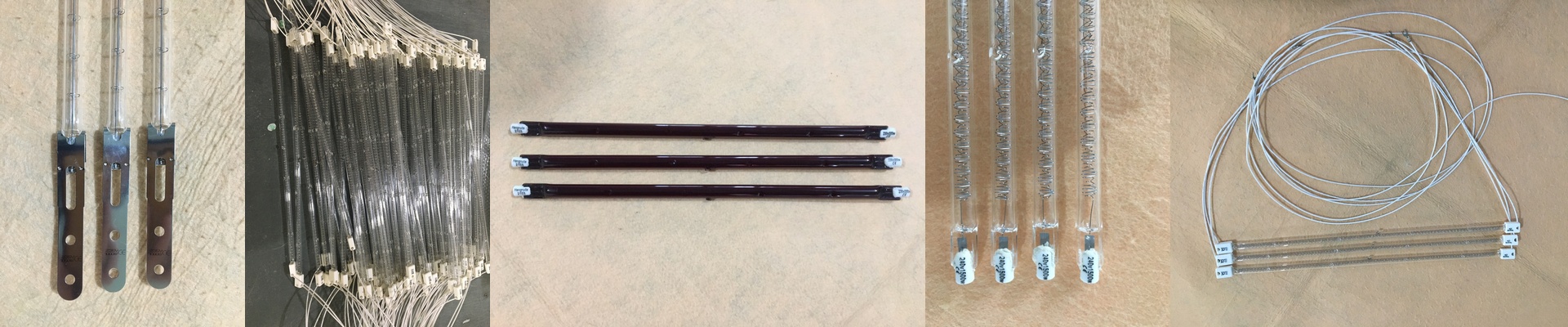
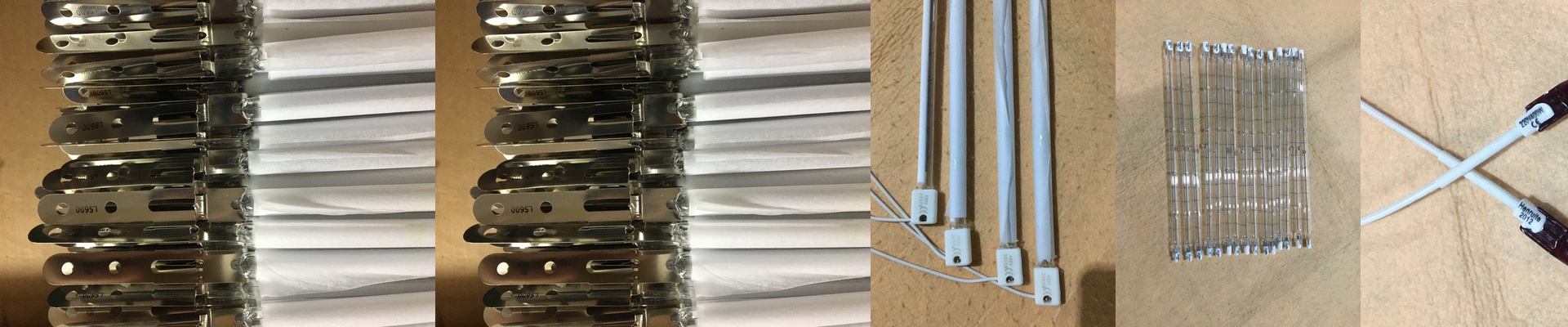
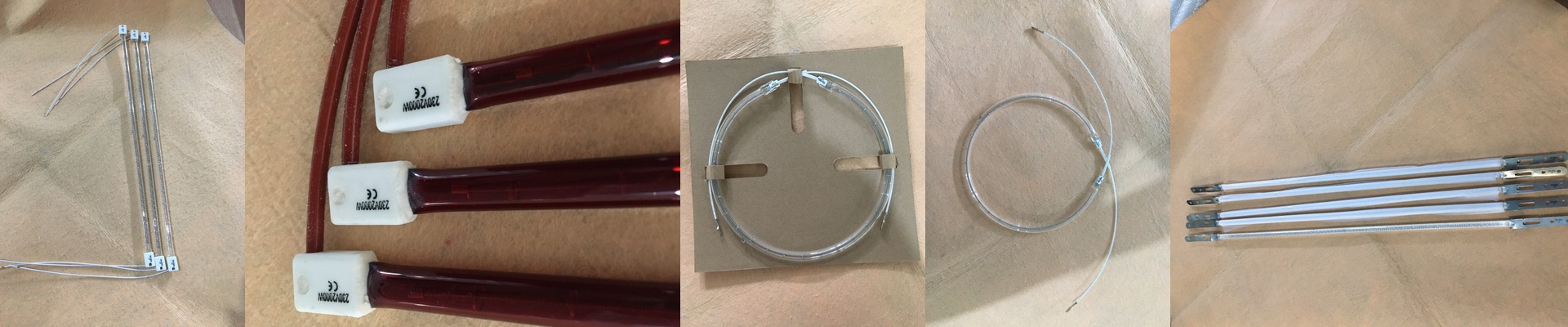
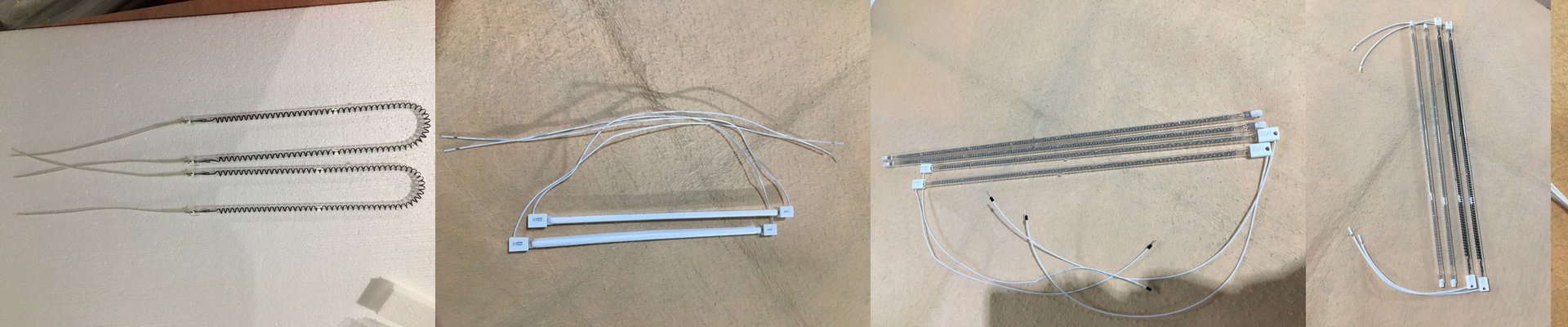
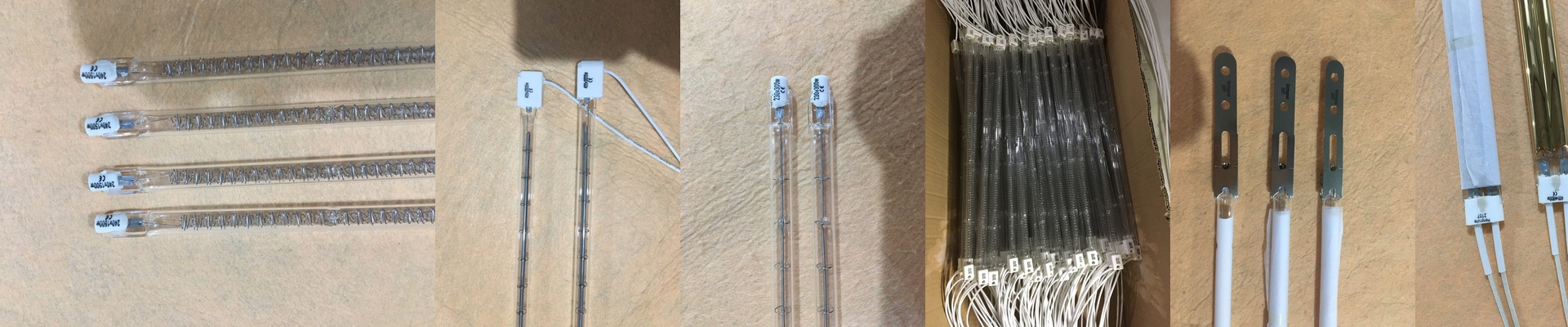
We build quartz halogen infrared tubes for the moments when you need heat, right now. The kind that arrives instantly, hits hard, and stays steady—perfect for process lines that demand speed and serious power in a small footprint. If your machine needs heat that turns on without hesitation and holds its nerve through heavy cycles, this is exactly what you want under the hood.
What Makes Them Tick
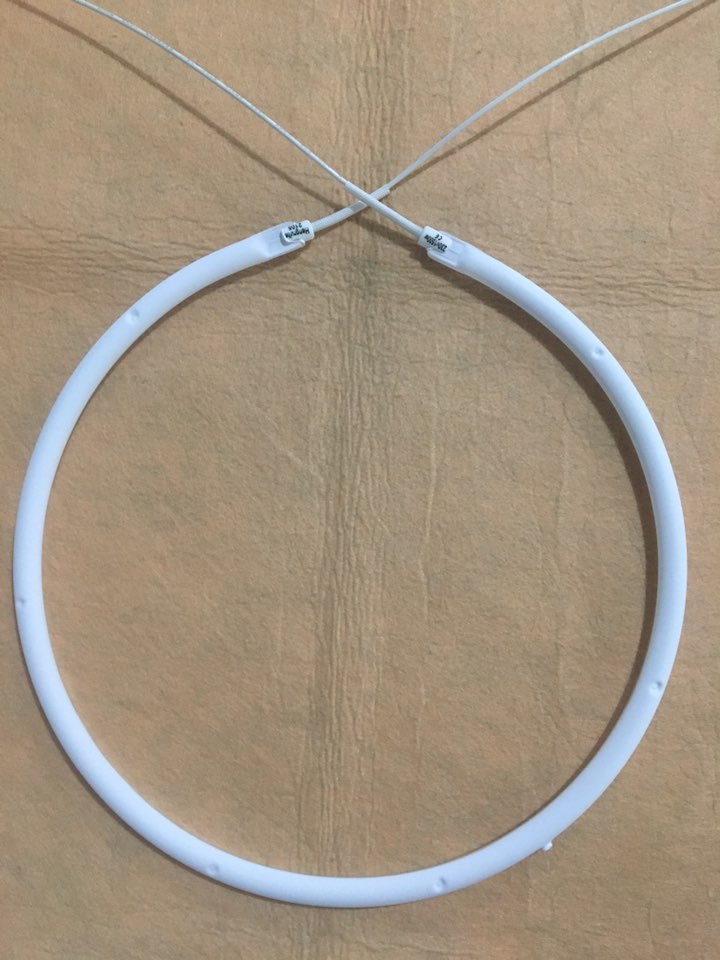
It comes down to wattage, voltage, and the shape of the tube. We match the electrical input so the filament runs at the temperature it was designed for, and that gives you predictable, repeatable radiant heat. The length and diameter shape the heat footprint, so you can focus the beam where it needs to go—without using a heater that’s bigger than it has to be. And if you’re working with high power in a tight space, high-voltage options help by lowering the current. That keeps wiring and contact stress manageable, so your design stays clean and dependable.
The Build That Holds Up
The quartz envelope is built for shock—handling rapid temperature swings without flinching—and it stays clear where infrared needs to pass through. Inside, the halogen cycle keeps the filament clean by sending evaporated material back to the hot spot. That means stable output over the life of the lamp and far less darkening. We also apply coatings to fine-tune the spectral output and protect the envelope, which helps you get consistent results in temperature-sensitive processes. And with R7s end caps, you get a secure, standardized mount and reliable electrical contact. In other words, it drops right in and gets to work.
Where They Shine
These tubes are made for jobs that can’t wait: preheating plastics, curing coatings, drying components—anything that needs rapid heat-up. The fast response doesn’t just feel snappy; it can shorten cycle times and help you keep tighter control over the process window. They fit into tight spaces without a fight, but here’s the catch: that high heat density means you’ve got to plan for cooling and shielding. The lamp is tough, sure, but it still needs proper airflow and thermal management. Treat it right, and it will keep performing.
The Honest Trade-Off
More radiant power means more heat pushed into the surroundings. That’s just physics. So plan your heat containment and cooling strategy up front. If you don’t, the lamp—and the components nearby—will run hotter than you want. A little planning here saves a lot of headaches later.
Choosing the Right One
Match the voltage to your control circuit. Make sure the tube’s size actually fits the holder. And confirm the spectral profile lines up with the material you’re heating. When you get those details right, you get heat that arrives instantly and stays consistent—with almost no warm-up delay.