Stop Heating the Ceiling: A Smarter Way to Keep Calves Warm
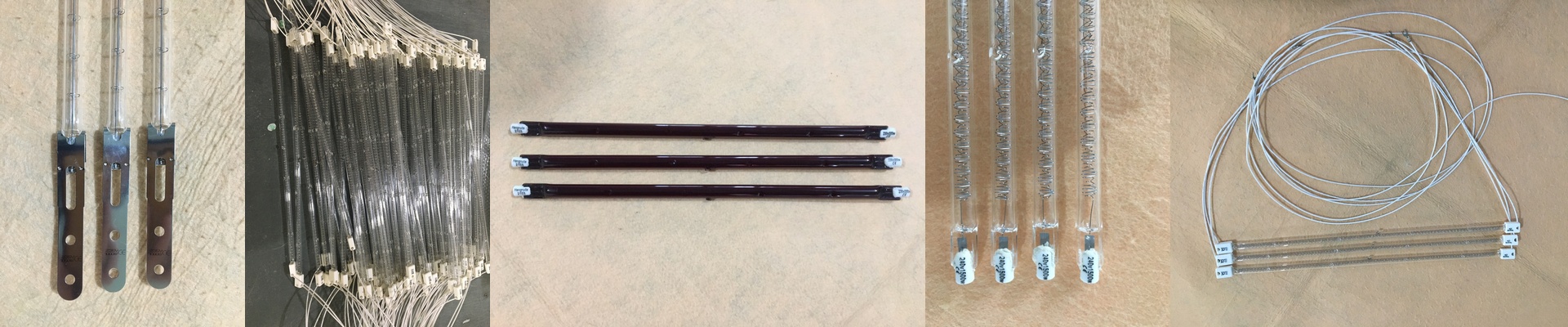
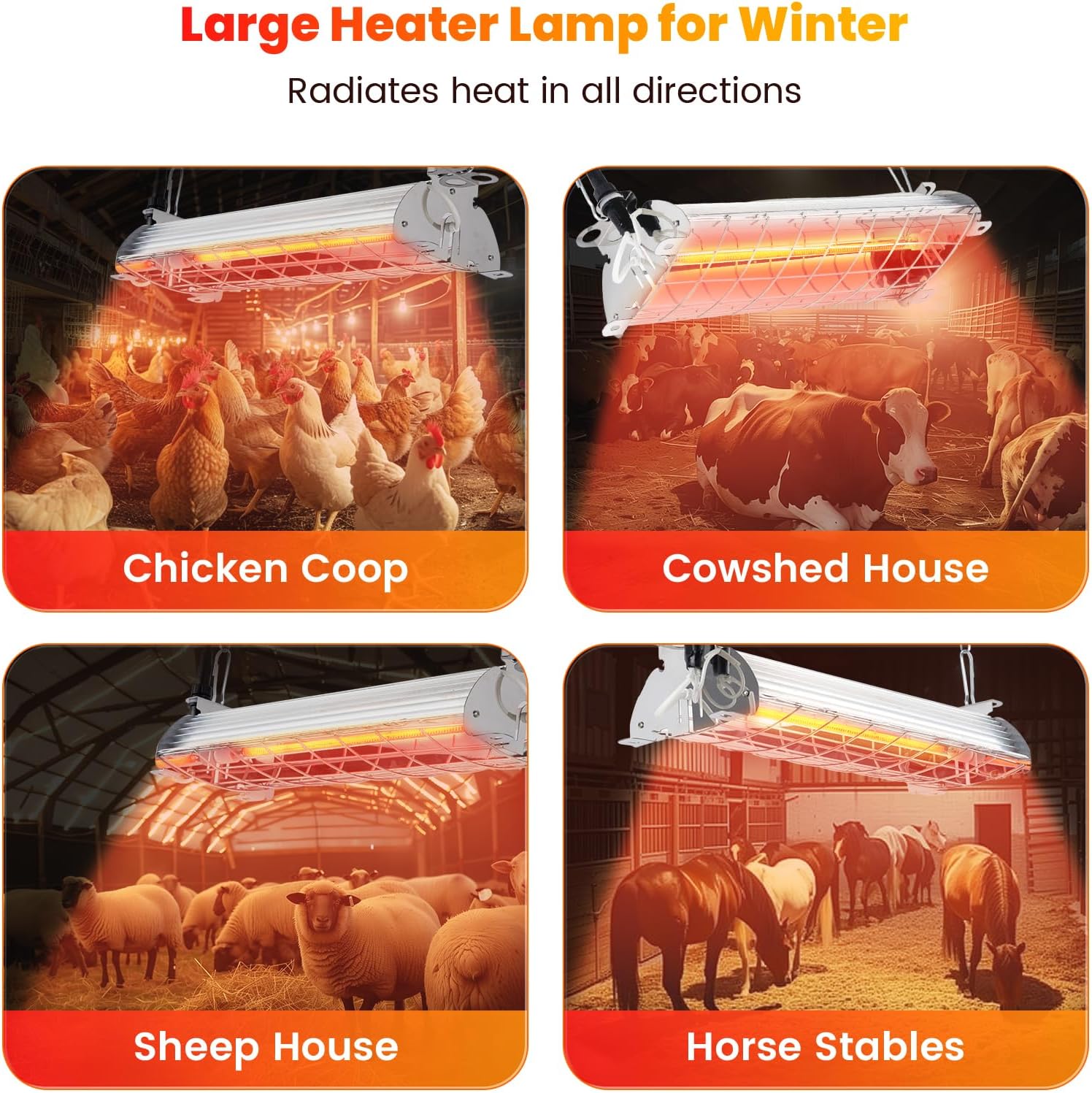
If you’re running a large-scale calf operation, you know the struggle. You’re fighting pneumonia and stunted growth, and you’re probably spending a small fortune on heating. Here’s the problem: most folks rely on forced-air heaters. But in a big, drafty barn with high ceilings, you aren’t actually warming the calves. You’re just warming the air at the top of the building. It’s a waste of money. The better way? Infrared (IR) lamps. Instead of trying to heat the whole room, IR lamps go straight for the animal.
Why Radiant Heat Actually Works
Think about it like the sun. Even on a freezing day, you feel the warmth on your skin the second you step into the light. That’s radiant heat. Standard space heaters try to push warm air around, but in a barn, that air just disappears into the rafters or gets blown away by a draft. IR lamps don’t care about the wind. They send short-wave radiation right through the calf’s coat to warm the skin. You stop fighting the building’s bad insulation and start focusing the energy where it belongs. For big operations, this is how you stop bleeding money on utility bills.
Getting the Setup Right
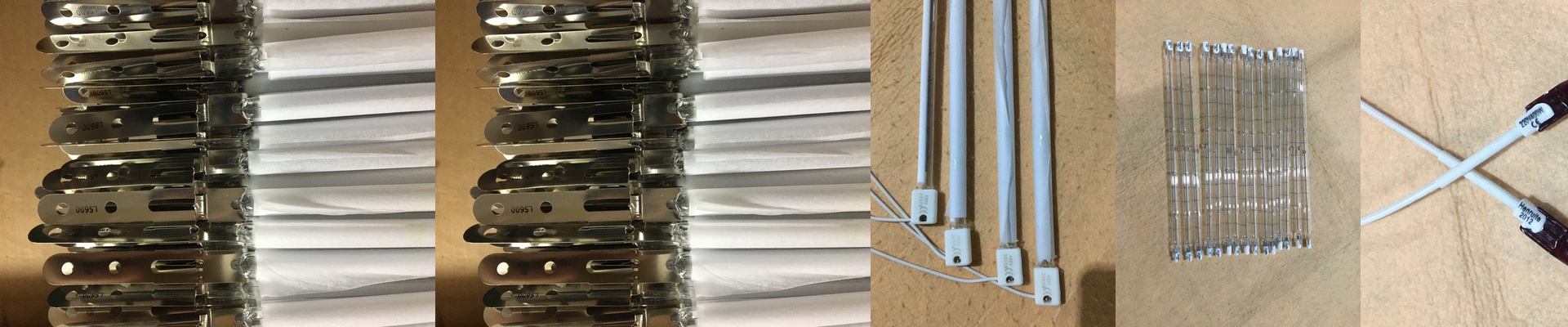
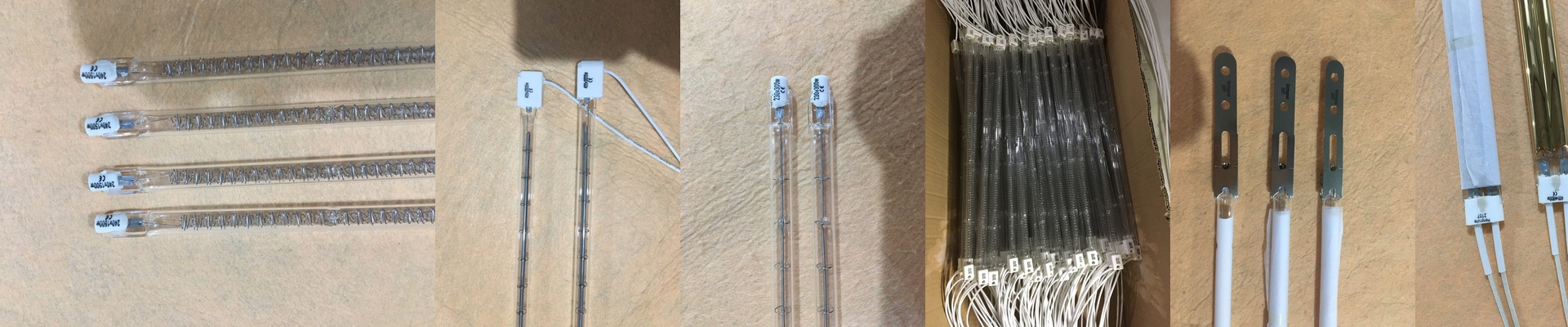
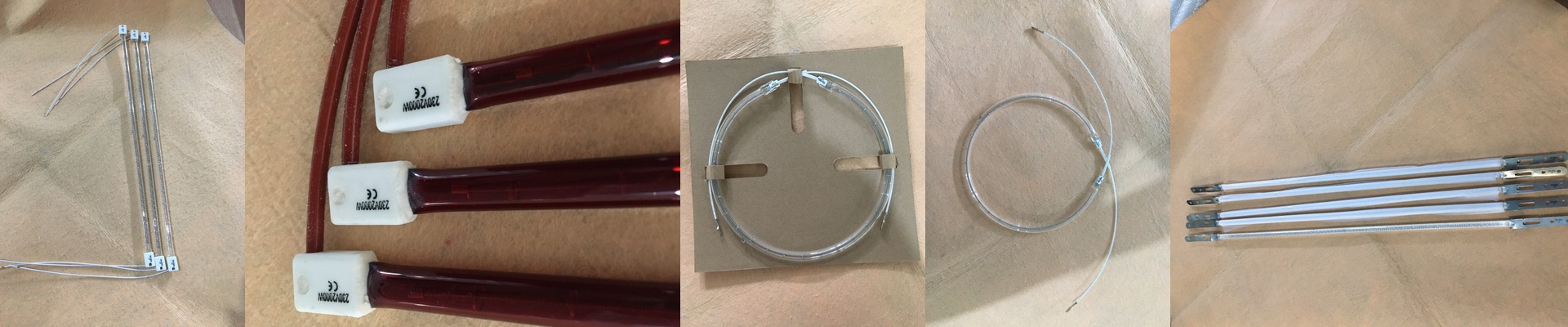
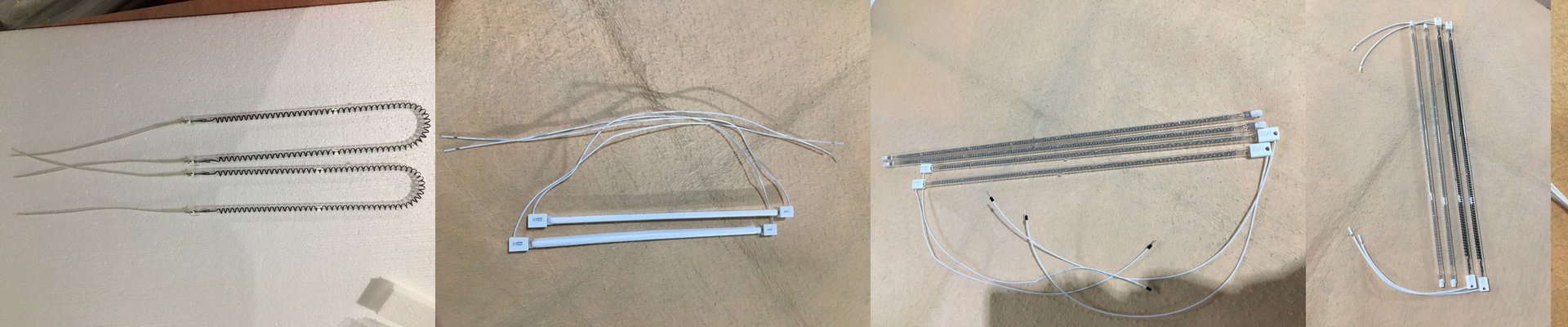
If you’re using group housing, go with high-wattage quartz elements. These things are tough. They can handle the dust and humidity of a working barn without quitting on you. But you can’t just guess on the wattage. If you go too low, the calves will huddle together to stay warm. That’s a recipe for disaster—it slows down growth and helps diseases spread like wildfire. On the flip side, if you overdo it, you’ll end up with heat-stressed animals. It pays to map out your heat density before you start wiring everything up.
A Word on Safety
These lamps put out a lot of heat. A lot. Which means placement is everything. You can’t just hang them wherever it’s convenient. If you mount them too low to try and save a few bucks, you’re going to scorch your calves. You need a rigid grid to keep things steady and a rock-solid power supply. If your wiring is sloppy, you’ll get voltage drops across those long barn runs, and the lamps won’t perform.
The Bottom Line
At the end of the day, it comes down to the electricity bill. When you shrink the thermal footprint and focus the heat on the calves instead of the void, your kilowatt-hours per head drop significantly. Your electrical panel takes less of a hit, and your monthly spend goes down. It’s just common sense.