Stop Overpaying for Brand-Name Infrared Heaters
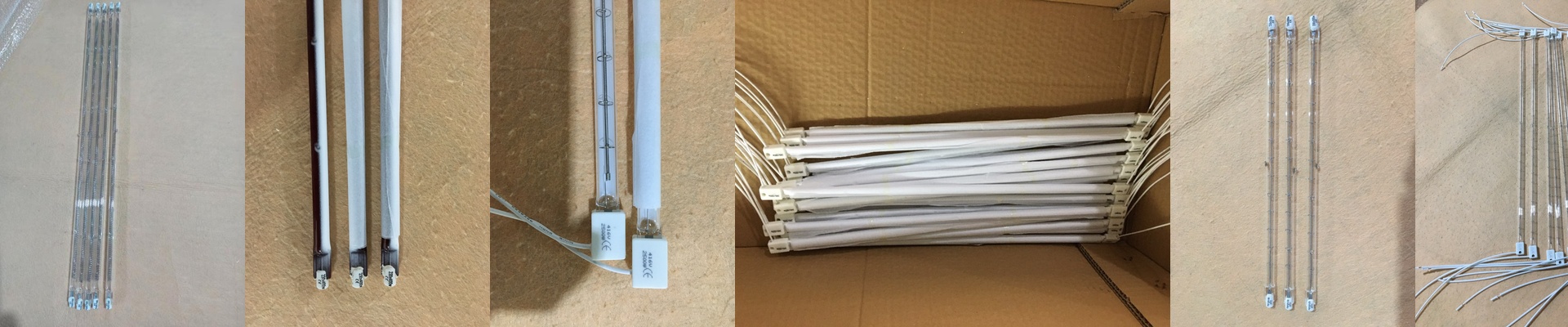
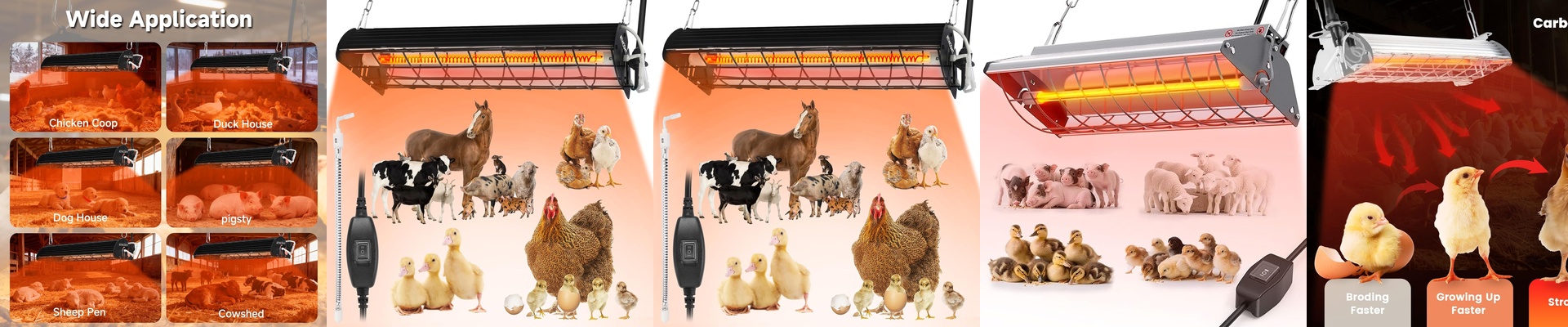
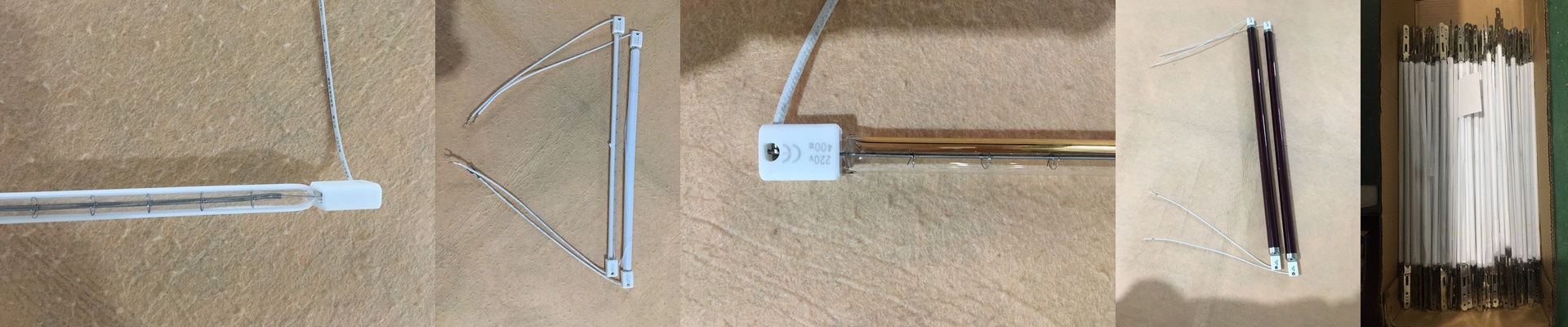
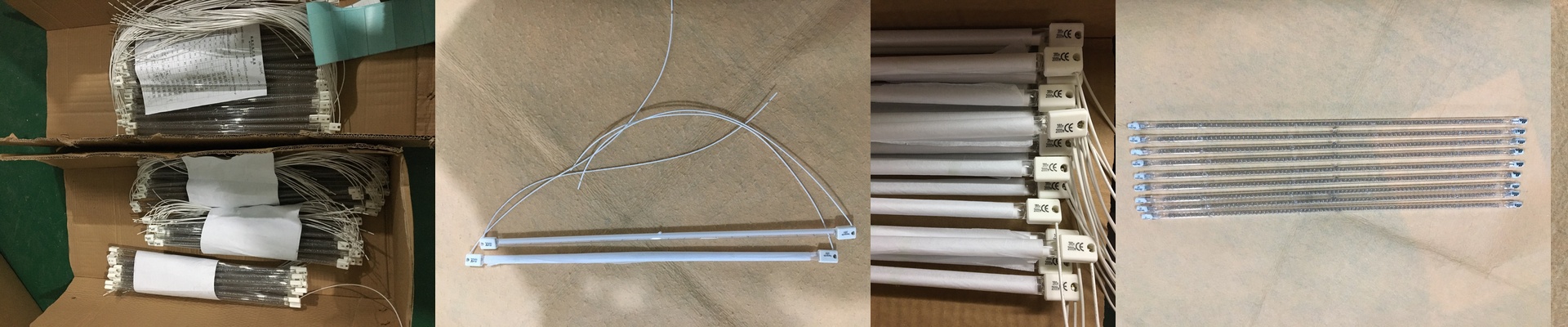
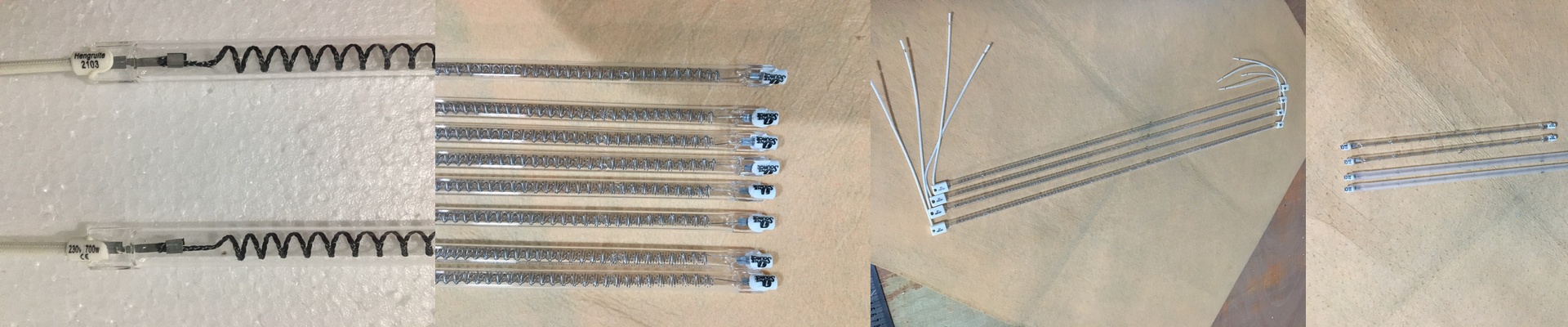
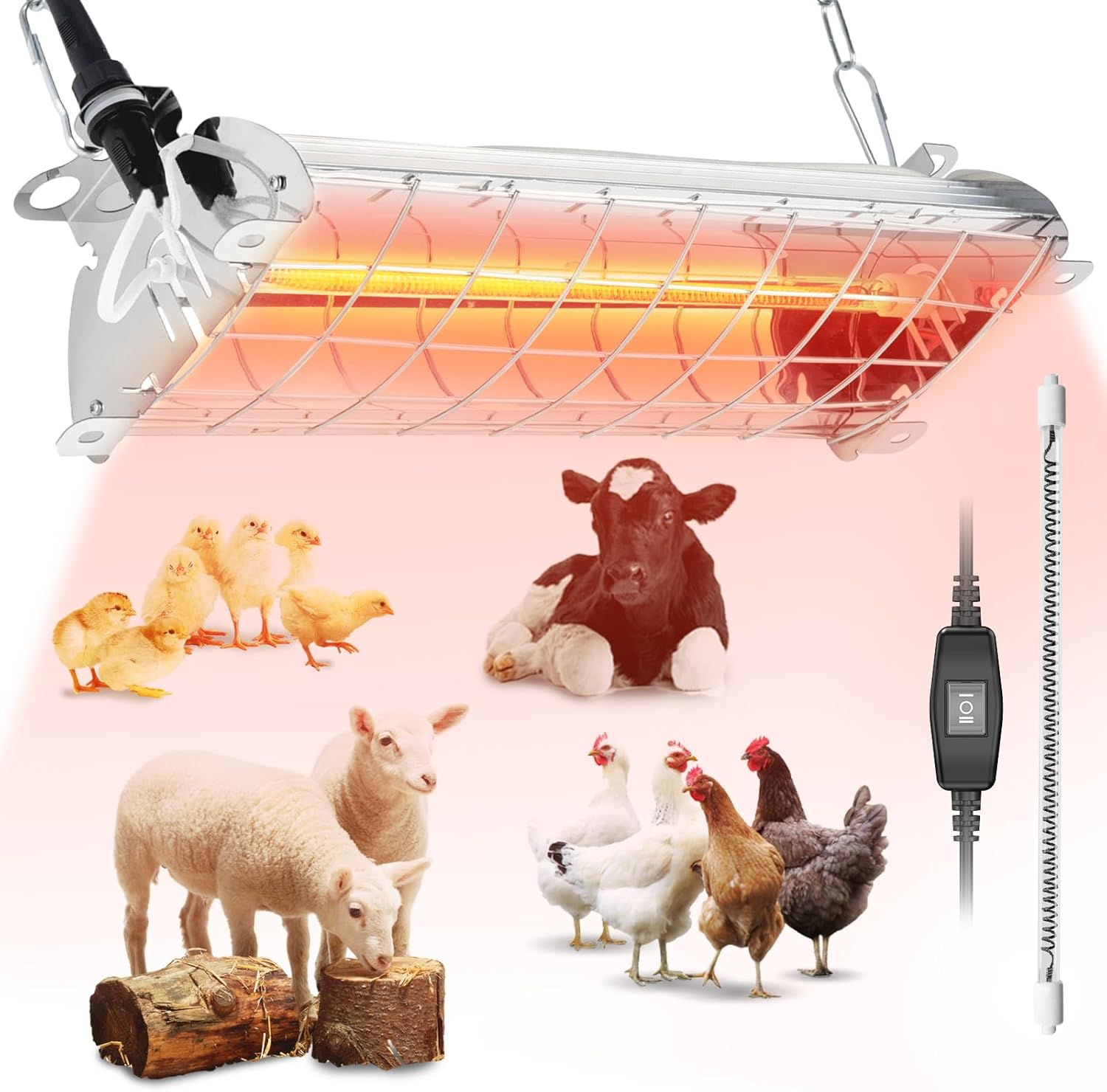
When you’re setting up heat for a massive chicken coop or a brooding area, you usually go straight for the big-name infrared lamps. They’re the “safe” bet. But here’s the thing: we built our lamps to do the exact same job, with the exact same results. The goal was simple. We wanted a plug-and-play swap. You shouldn’t have to rip out your wiring or hunt for new fixtures just to switch brands. You just pop the old one out, slide ours in, and get back to work. The grit behind the heat We spent a lot of time obsessing over the wattage-to-voltage ratio. Why? Because if the heat density is off, you’re asking for trouble. If you’re running a high-voltage system, you need a tube that can take the hit without burning out a month later. That’s why we use heavy-wall quartz glass. It’s tough. It doesn’t warp when things get scorching. This keeps the filament centered and steady. When a cheap filament sags, it creates hot spots that crack the glass. Nobody wants to be cleaning up broken shards in a coop. Better tech, less glare Inside the tube, we use a halogen-filled quartz envelope. This lets us push the filament to temperatures that would melt a standard light bulb. The result is a concentrated burst of short-wave infrared heat. It doesn’t just warm the air; it punches right through to the animals. And if the bright light is too much, we’ve got you covered. We offer coated options that shift the heat to a long-wave spectrum. You still get a warm floor for your livestock, but without that blinding glare. As for the fit? We use R7s and Sk15 connectors. They’re the industry standard for a reason. They slide in, lock tight, and you’re done. No soldering, no headaches. A few real-world warnings Look, these lamps are built to survive the chaos of a farm—the dust, the humidity, the general grime. You can basically install them and forget they exist. But keep in mind: high-wattage infrared puts out a lot of heat in one spot. If your housing has zero ventilation or you’ve got the lamps sitting too close to dry bedding, you’re flirting with a fire. Also, make sure your electrical conduits can handle the constant draw. You don’t want your voltage dropping off across a long run because the wires are too thin.