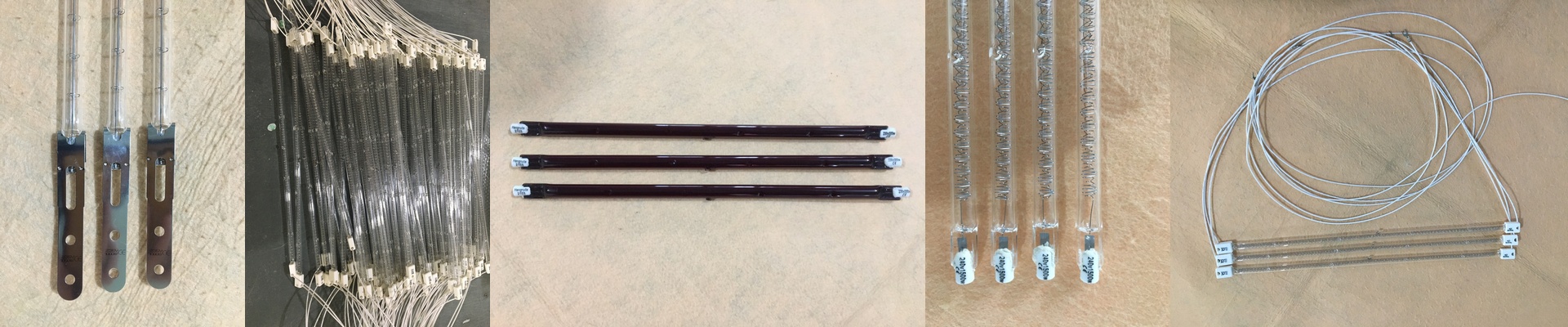
Introduction
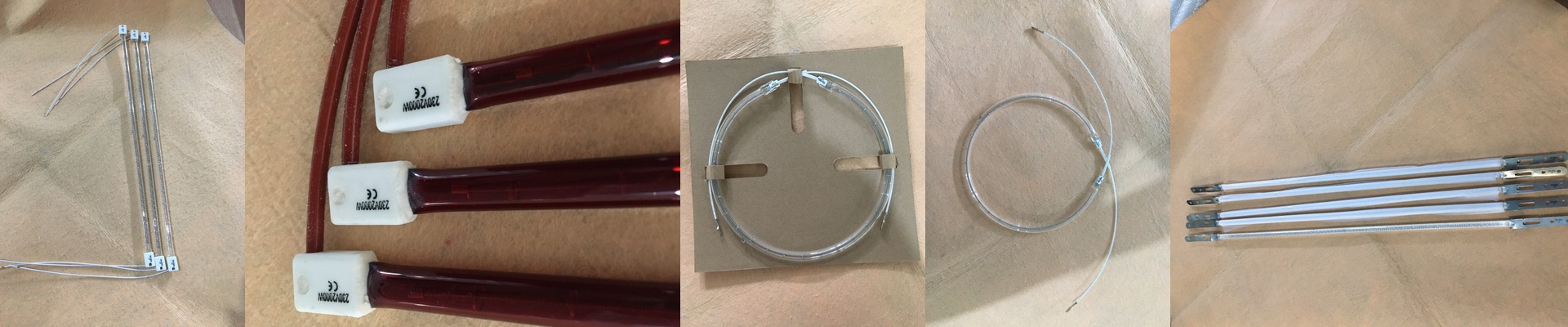
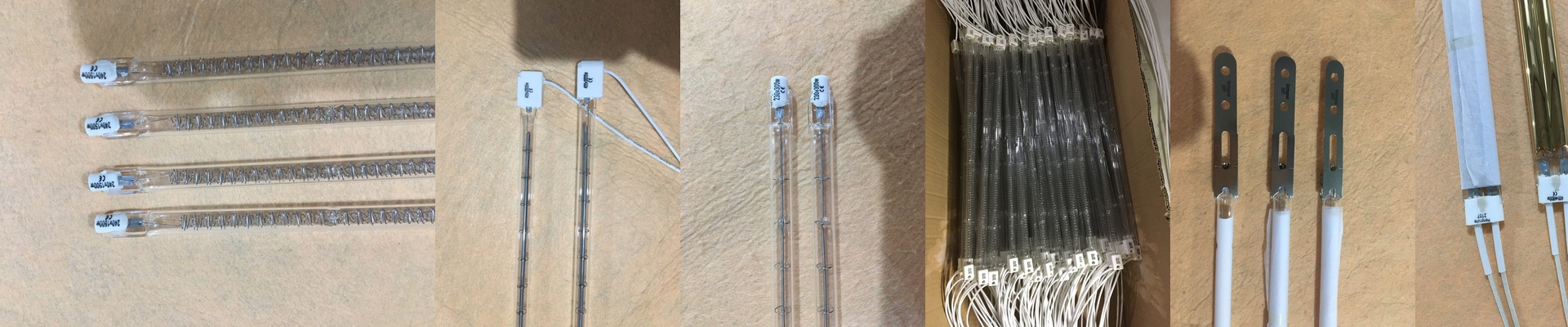
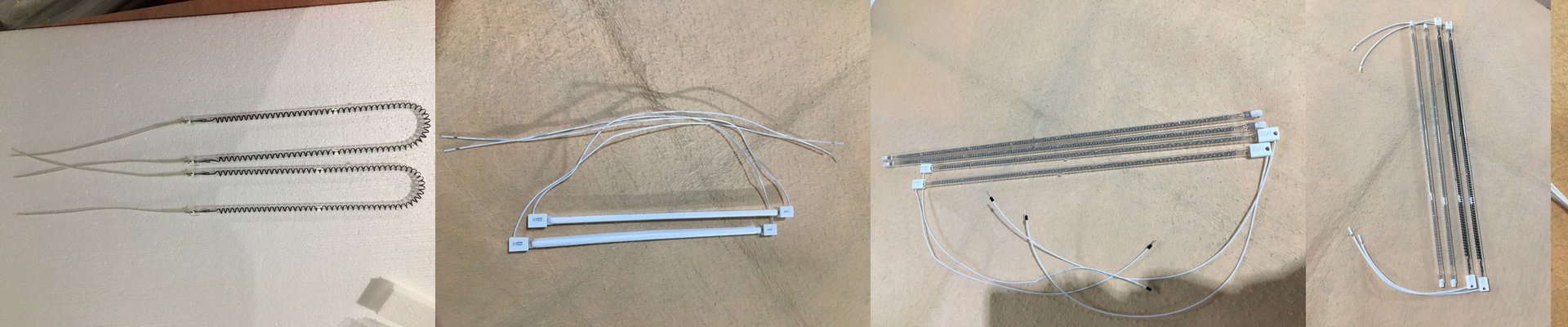
Here’s the deal: we built the 220V halogen shortwave heating tube for one reason and one reason only—to get intense, controllable heat right where your machine needs it. This isn’t some run-of-the-mill heating element. It’s a compact powerhouse, designed to jump into action fast, run on a standard 220V line, and slip right into your automated setup without a fuss.
The Nitty-Gritty: Voltage, Power, and the Physical Details
We went with 220V because that’s what most industrial panels run on. So you can wire this thing in without overhauling your whole electrical system. The shortwave design means the filament gets scorching hot—and does it almost instantly. That kind of rapid heat-up keeps your production cycles moving without a hitch. And the size? We spec’d it to fit into those tight, awkward spaces where longer infrared lamps just won’t go. It’s all about packing a lot of heat into a small footprint, because that’s exactly what a lot of machine jobs demand.
Inside the Build: Halogen, Quartz, and a Connector That Actually Works
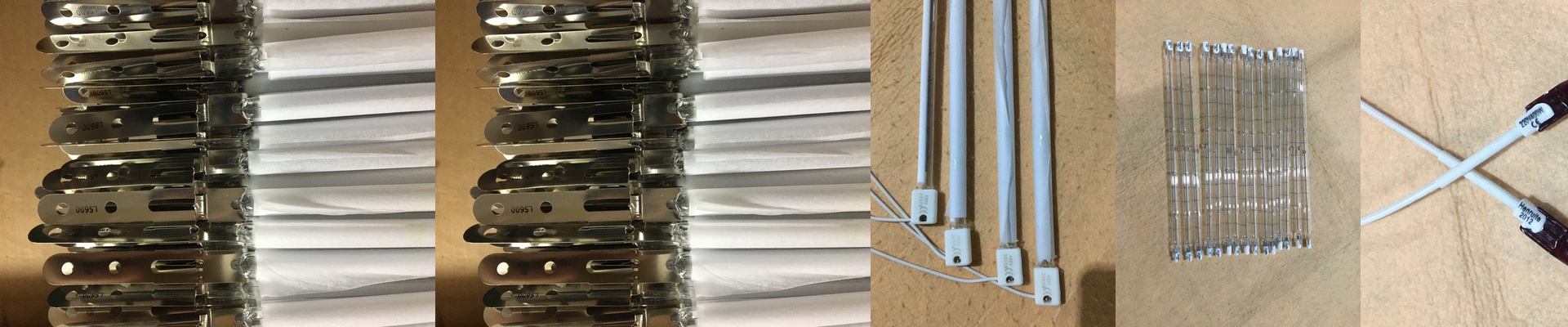
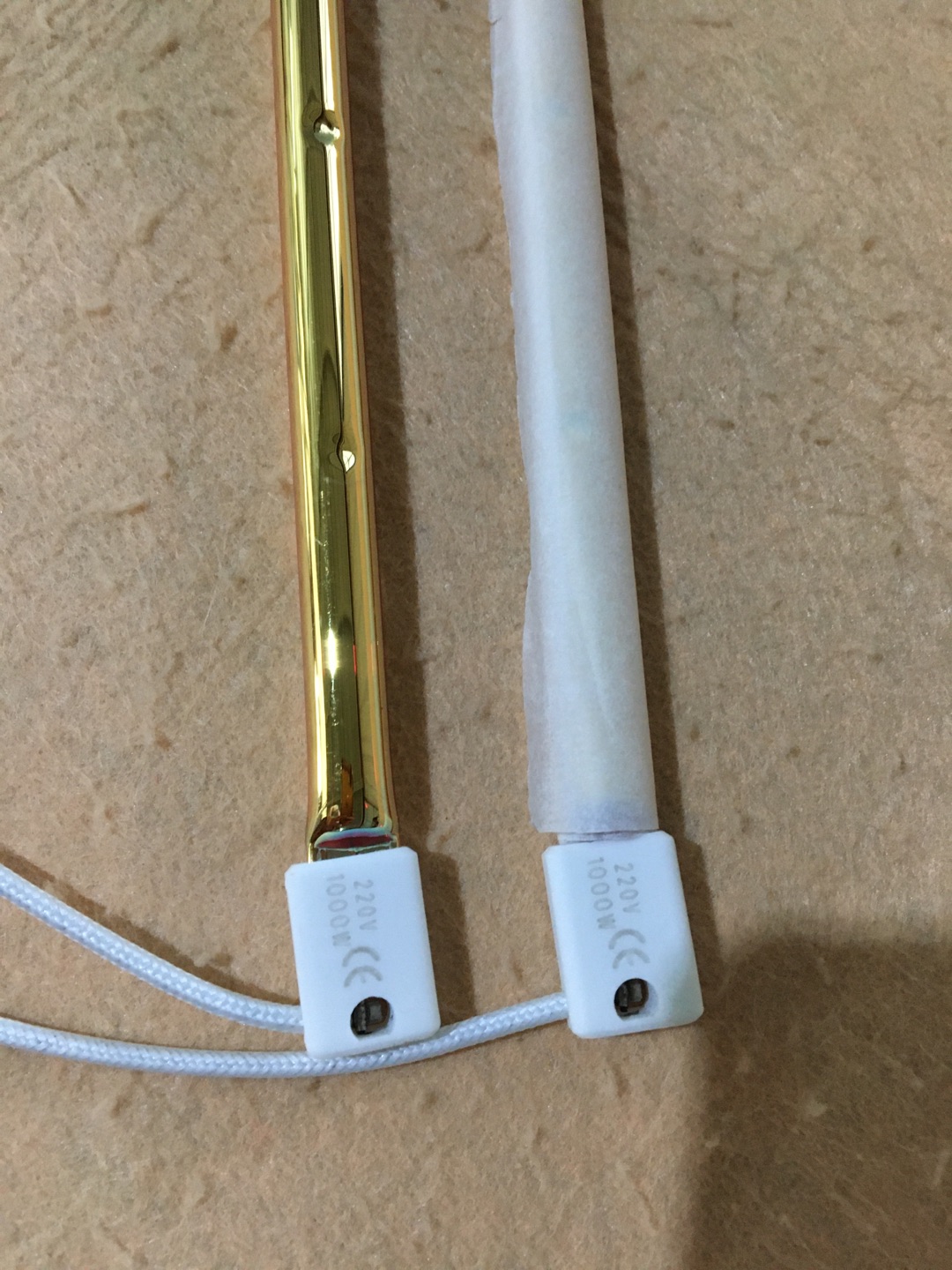
Inside, the halogen cycle does the heavy lifting, keeping the quartz envelope clean and the output steady over the life of the lamp. That means you avoid the frustrating fade that happens with standard filaments. Your temperature stays consistent, run after run. The quartz body is tough, too. It shrugs off rapid heating and cooling, so you can cycle it on and off without worrying about cracks. Then there’s the connector. It’s built for the real world—it locks in tight, handles the vibration of a running machine, and makes swapping out a tube a quick, simple job. A solid connection cuts down on arcing and hot spots at the terminal—the two usual suspects when things fail out on the floor.
Where It Shines: Built for Machine Heat
This tube was born for shortwave heating in machines. Think about those spots that need intense, localized heat—like sealing zones or pre-heat stations—where space is tight and every second counts. The speed is a game-changer. It gets up to temperature and stabilizes quickly, so you’re not stuck waiting around for it to warm up. And because it’s so compact, fitting it into your machine is a breeze. When it’s time for a replacement, the simple connector means you can get it done in minutes, not hours. No bottlenecks. Now, a quick reality check: all that heat density means you have to manage the heat rejection. You’ll need to make sure your machine’s cooling path—the airflow, shielding, and separation from other parts—is designed to keep everything around it, including the wiring, at a safe temperature.