Stop Wasting Money on Steam: Why Infrared is a Smarter Bet for Furniture Shops
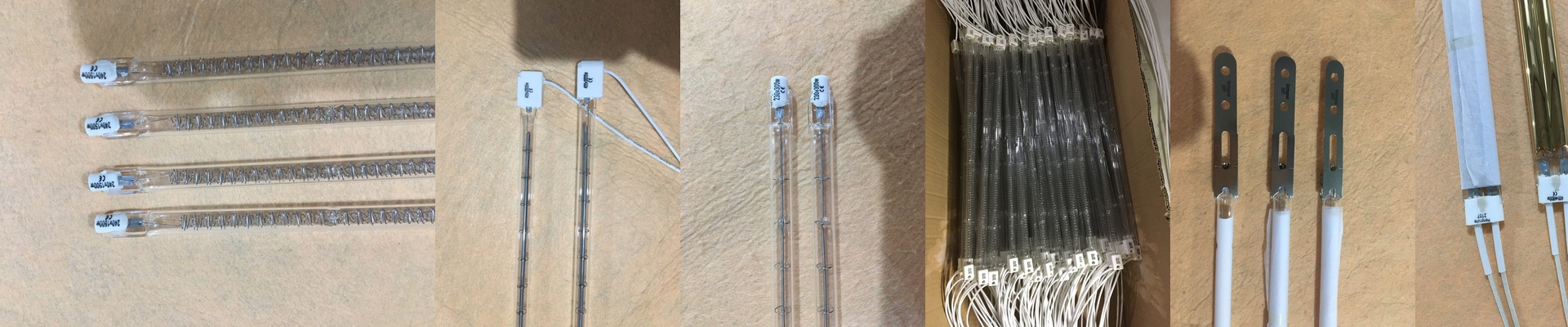
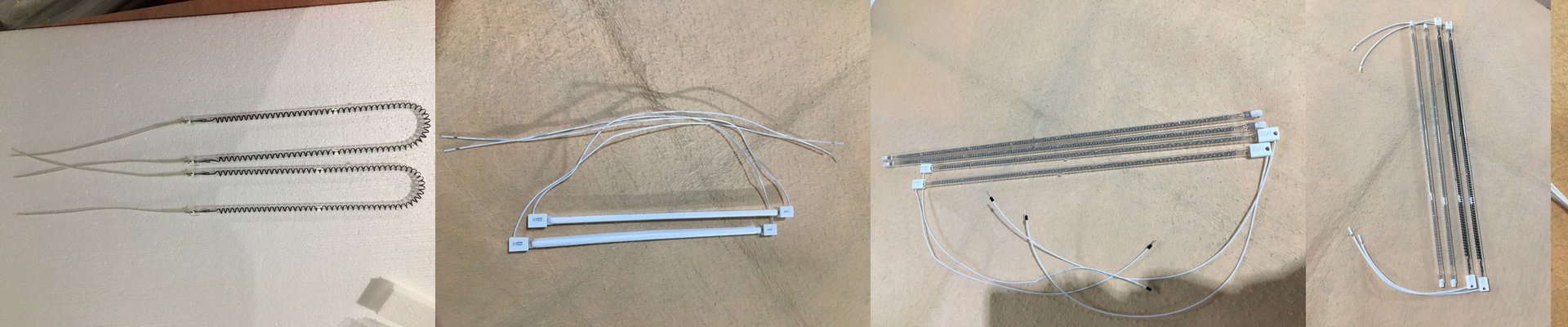
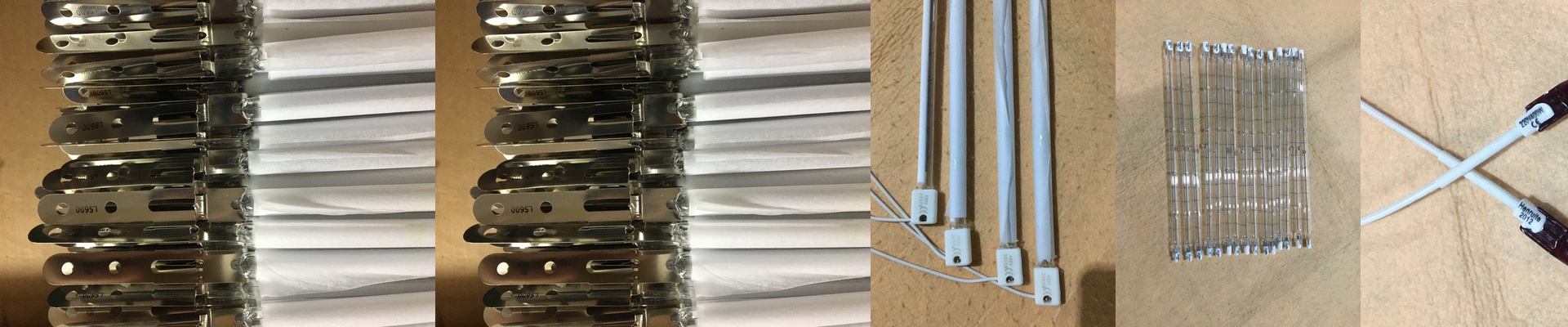
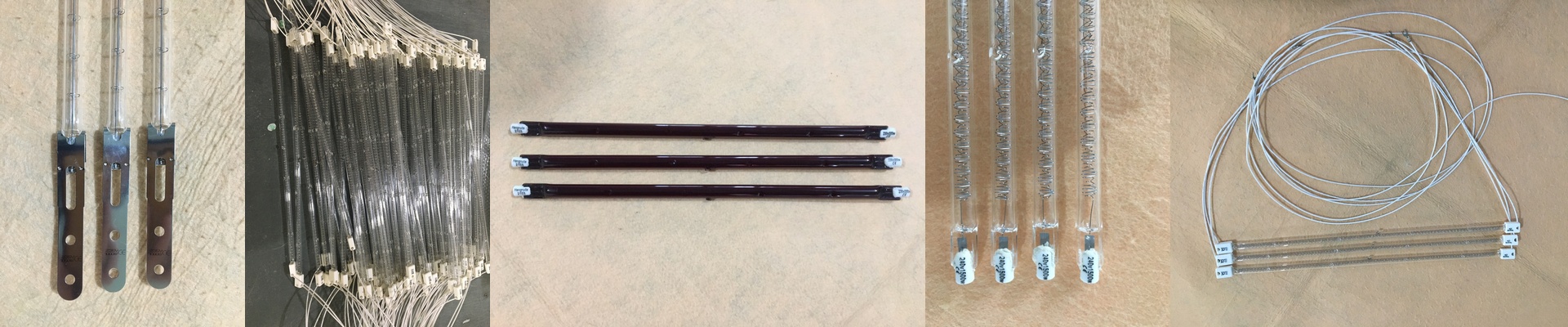
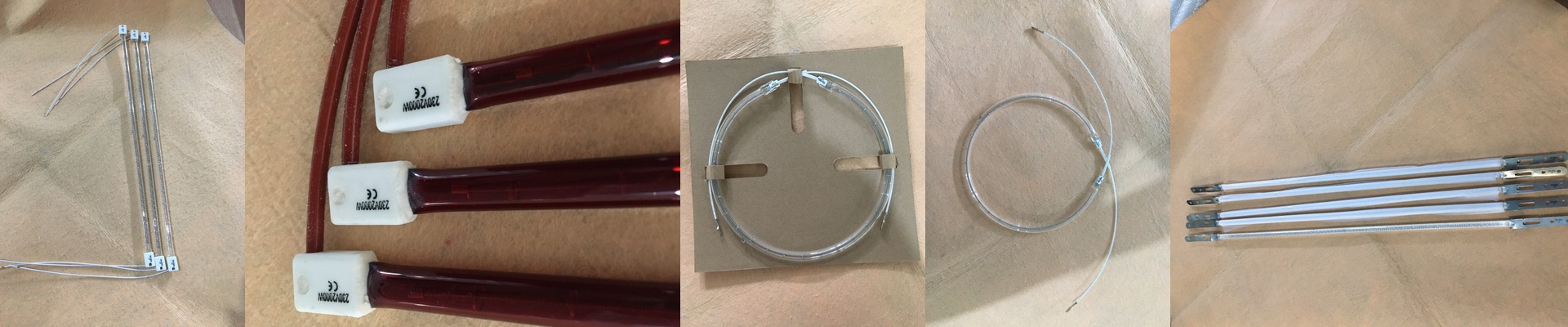
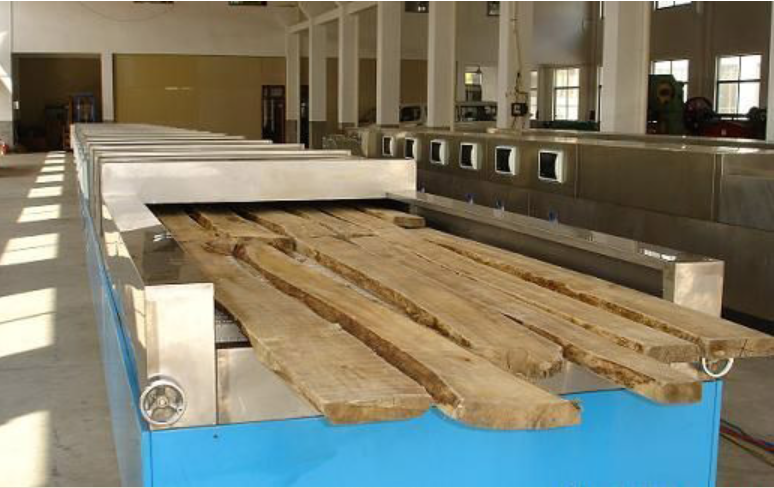
Let’s be honest about steam heating. It’s a headache. You’ve got those massive boilers taking up half your floor space, a maze of pipes leaking everywhere, and the never-ending chore of treating the water. It’s a lot of overhead just to get some heat into your wood. Switching to infrared (IR) isn’t just a “tech upgrade.” It’s about getting your money back faster. The real difference in how it works Steam is slow. It has to heat the air, and then the air has to heat the wood. By the time that heat actually hits your workpiece, you’ve already lost a ton of energy through the pipes. IR is different. It’s like stepping into the sun. The energy goes straight into the wood fibers. No waiting around for a boiler to build up pressure. You flip a switch, and it’s hot. Right now. The secret sauce: Ceramic B2B Connectors Now, if you’re drying glues or curing lacquers, you’re dealing with some serious heat. Standard wiring just can’t take it; it’ll burn out or melt, and then your whole line stops. That’s why we use high-temp ceramic B2B connectors. Ceramic doesn’t care about the heat. It doesn’t warp, it doesn’t melt, and it handles the constant “on-off” cycling of a busy production line without breaking a sweat. You basically plug them in and forget they exist. What about the money? The math is pretty simple. You save a fortune on the setup because you can throw away the insulated pipes and steam traps. Your footprint shrinks, and your utility bill follows. But, there is a catch. IR works on a “line-of-sight” basis. It’s not like steam, where you can just flood a room with heat. If your furniture has deep nooks or weird shapes, you can’t just hope for the best. You’ll need to angle your lamps carefully to make sure there aren’t any cold spots. Still, for flat panels and standard parts, the trade-off is a no-brainer. Most shops see the equipment pay for itself in 12 to 18 months. After that, it’s just pure profit.