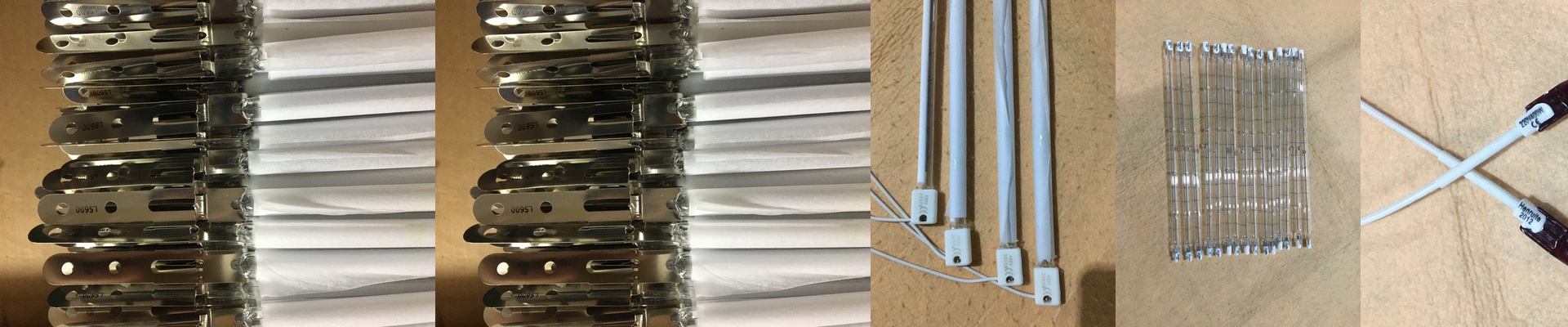
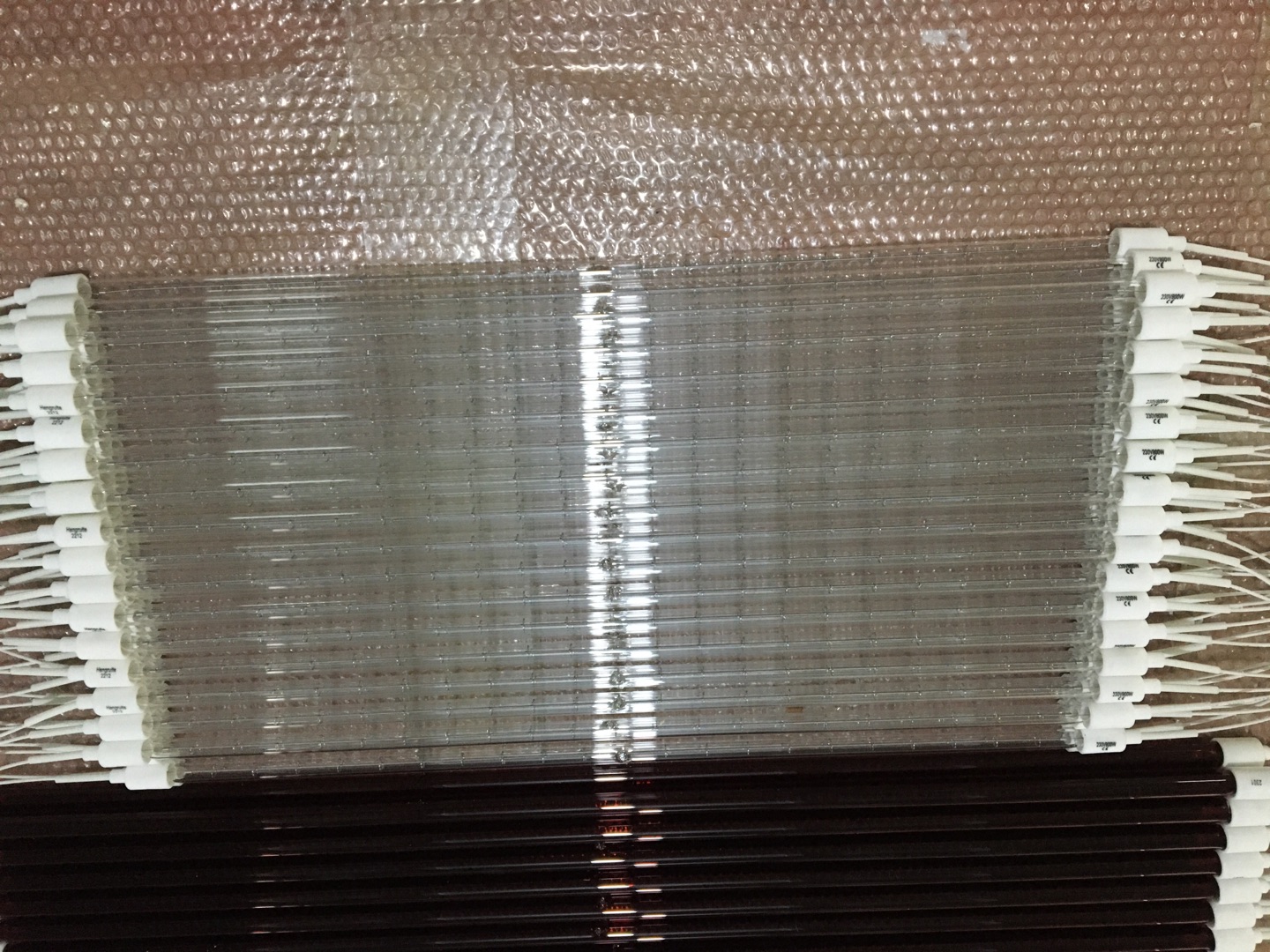
What Makes This Lamp Tick
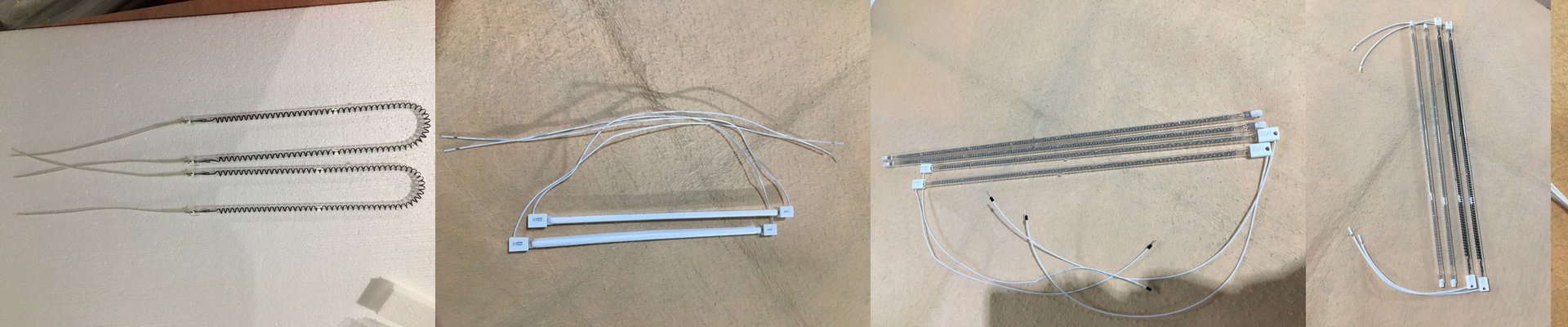
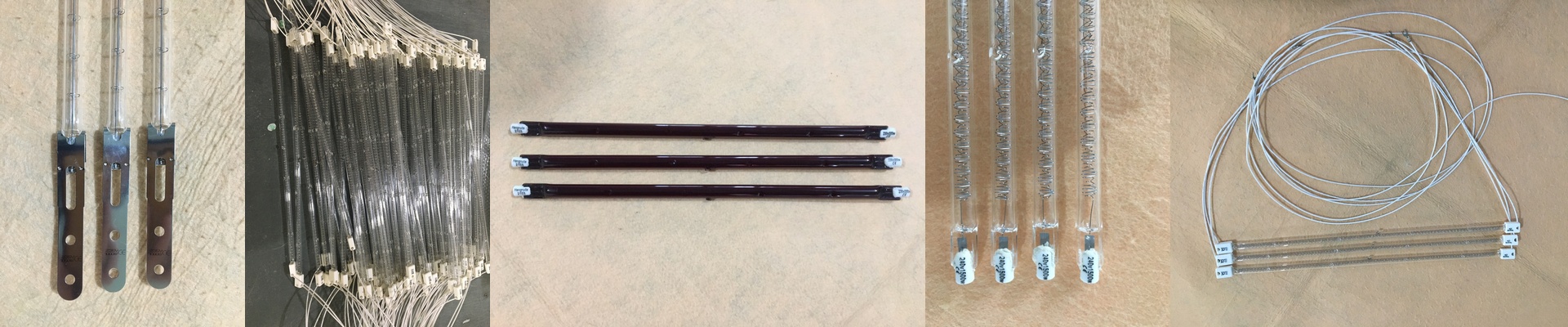
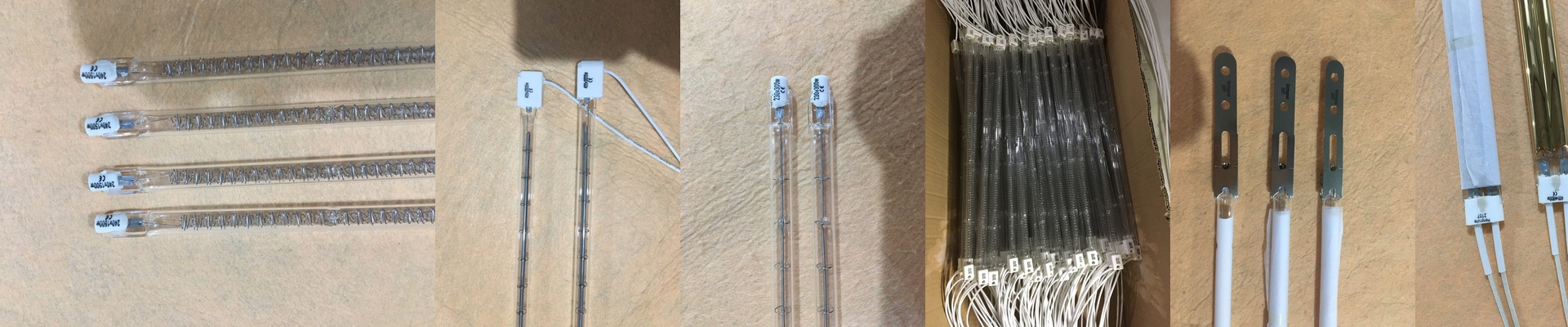
Let’s cut to the chase. This lamp is a powerhouse. We built it with a 320mm tungsten halogen element, spec’d at 1000W and 220V AC. The point? To pack serious heat into a small space. That 320mm length wasn’t an accident—it was a deliberate choice. It slips right into tight heating chambers and cramped equipment bays where bigger bulbs just won’t fit. And that 1000W output? It gives you a steady, predictable thermal load. It’s the kind of heat you can count on, which makes it easy to work into your standard control setups. The payoff is speed. You get rapid temperature ramp-up, which can shave real time off those processes that demand fast, focused heat.
Built to Last, Built to Work
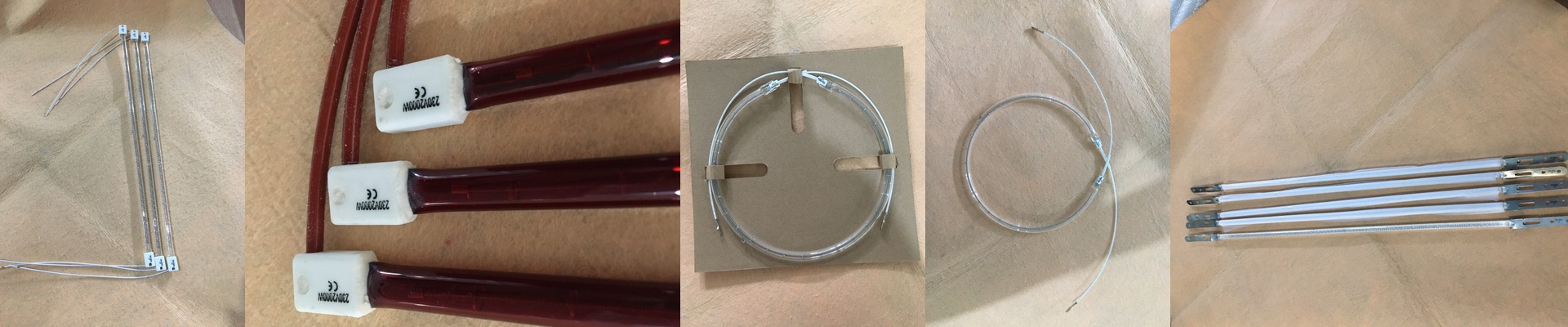
Here’s what’s inside. At the heart of it is a tungsten filament, sealed inside a quartz envelope filled with halogen gas. That halogen cycle is doing the heavy lifting, keeping the filament clean and stopping that annoying blackening. The result? Consistent output that lasts. The quartz tube isn’t just for show, either. It handles the extreme heat and gives the whole thing the kind of rigidity you need for an industrial mount. Installation is a breath of fresh air. We went with an R7s base—that double-ended linear connector. You just slide the lamp in, line up the pins, and it locks into place. No extra hardware, no fuss.
Where It Shines (And What to Keep in Mind)
You’ll want this lamp whenever you need intense infrared heat in a tight spot. Think plastic forming, sealing, or even a lab heating setup. That 1000W punch delivers serious heat flux, no doubt. But here’s the thing—with that kind of power, your fixture needs to be ready. You’ve got to manage the thermal reflection and make sure ventilation is sorted. Give the socket some breathing room, and keep the base temperature where it needs to be. This lamp is tough. It can handle repeated thermal cycling, but like any high-power element, it needs the right wiring and thermal management to do its job reliably. Treat it right, and it will keep delivering.