Circular Halogen Heating Lamps: The Heat You Need, Where You Need It
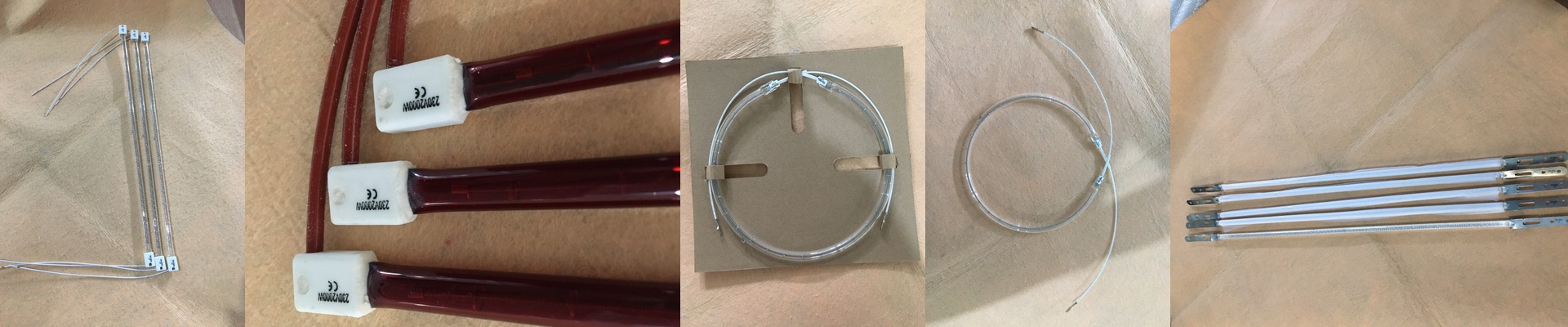
We built these circular halogen lamps for one reason: to deliver a tight, focused blast of heat exactly where space is at a premium. They’re not about warming up a room. They’re about getting industrial jobs done—fast.
Power, Voltage, and Size: The Specs That Matter
Let’s talk numbers, but the kind that actually matter to you. A typical unit runs on 400V and packs a 2500W punch. That’s serious heat, packed into a surprisingly small footprint. The 300mm tube keeps all that energy focused on a specific spot. No wasted heat. Just a precise target zone, so you can heat what you need without frying everything around it. Running at that voltage also keeps the electrical side manageable. Less current for the same power means you can use smaller wiring. But, and this is important, it also means your control gear—the contactor and fuses—need to be properly matched to the job.
What’s Inside? A Quick Look Under the Hood
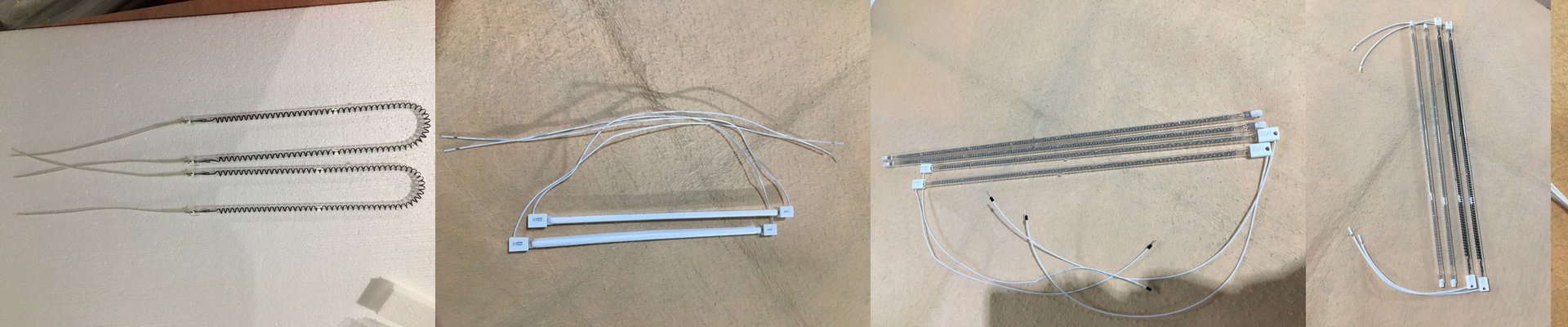
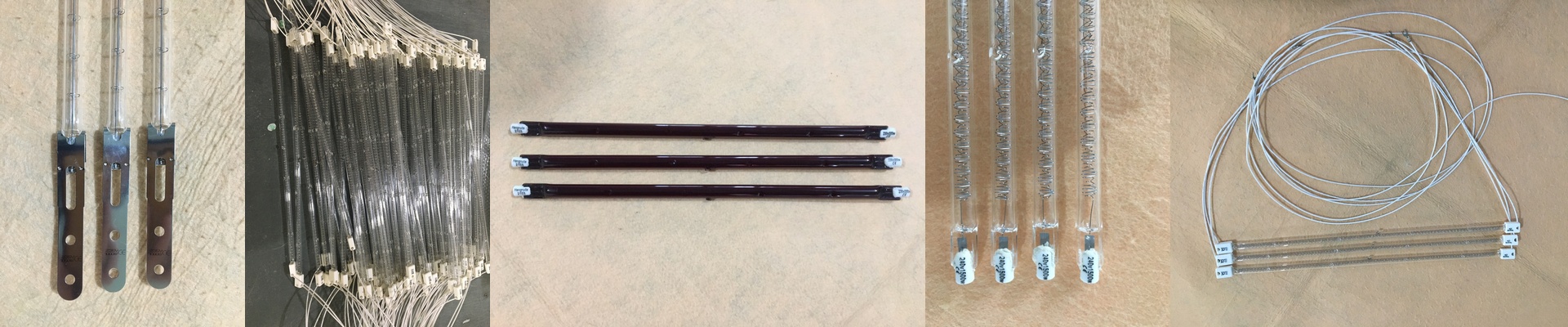
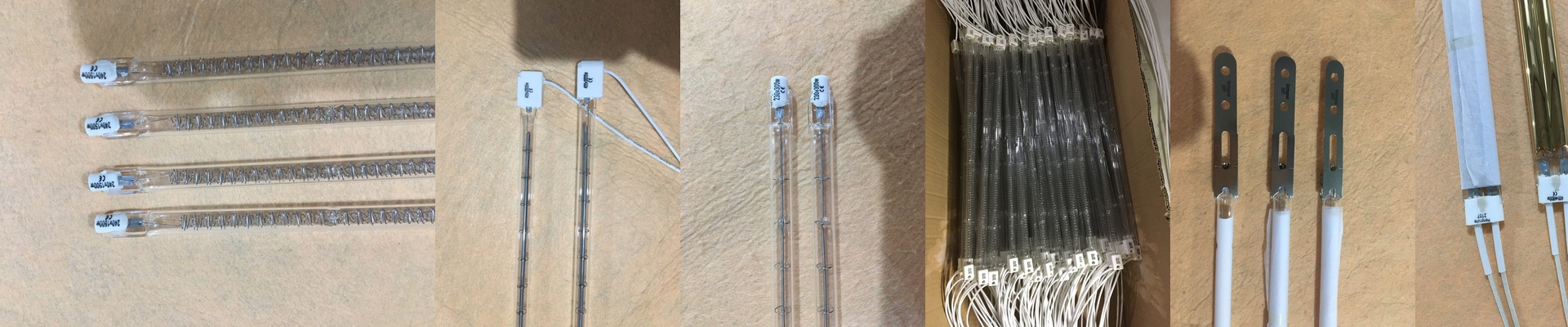
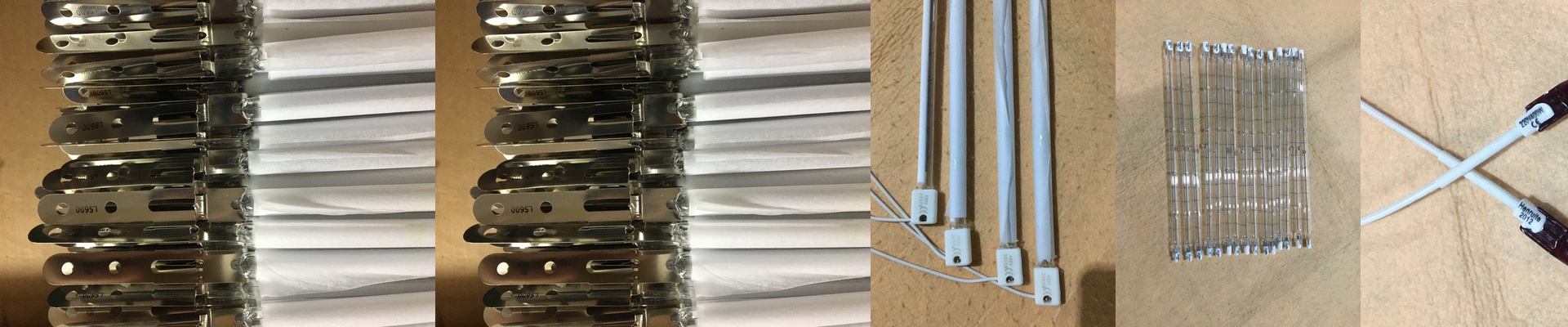
At the core, you’ve got a shortwave halogen element, all snug inside a quartz tube. Quartz is the perfect choice here—it can handle the shock of turning on and off rapidly without cracking, even at extreme temperatures. The halogen cycle does its thing, keeping the element clean as it runs. That means consistent, reliable heat output over time. No frustrating drop-off in performance as the lamp ages. A reflective coating on the tube throws even more of that energy forward, boosting the heat right where you need it. And when it comes to hooking it up, we use R7s and Sk15 connectors. They’re tough, handle the heat and vibration of an industrial floor, and make swapping out a lamp a simple, straightforward job. No fuss.
Built for the Industrial Grind
This setup is all about speed. Think preheating molds, drying coatings, or keeping plastic processing moving. The concentrated radiant heat hits the surface hard and fast, without turning the whole machine into an oven. That power comes with a catch, though. You need to manage the airflow and heat around the lamp. It keeps nearby components safe and the lamp running in its sweet spot. Get the system right, and you’ve got a predictable heat source that responds instantly. Plus, when it’s time for maintenance, the standard connectors make it a quick and easy swap.