Infrared Heaters: Why Halogen Lamps Are the Secret Sauce
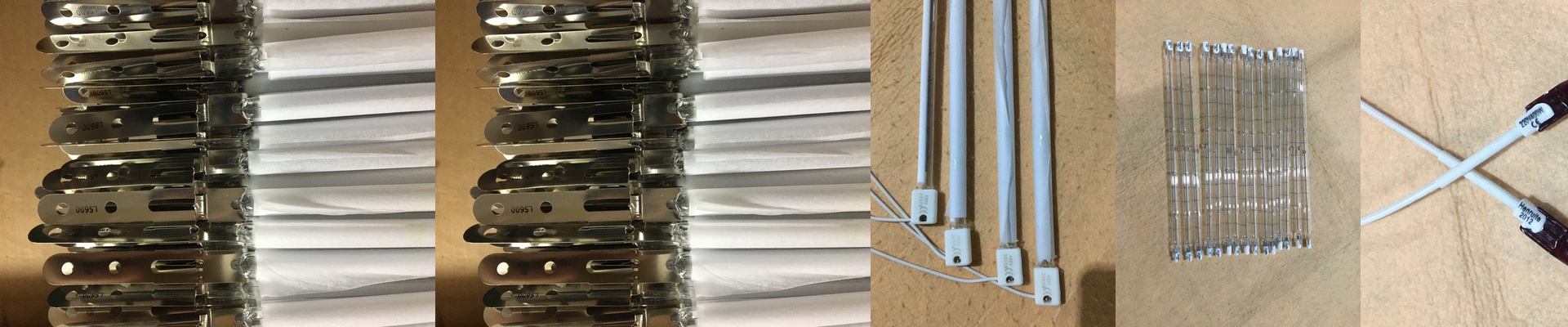
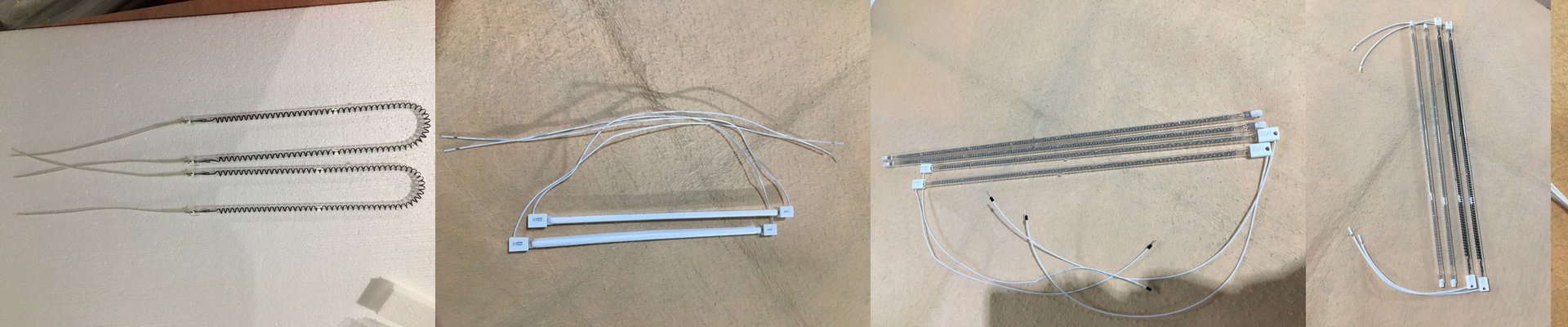
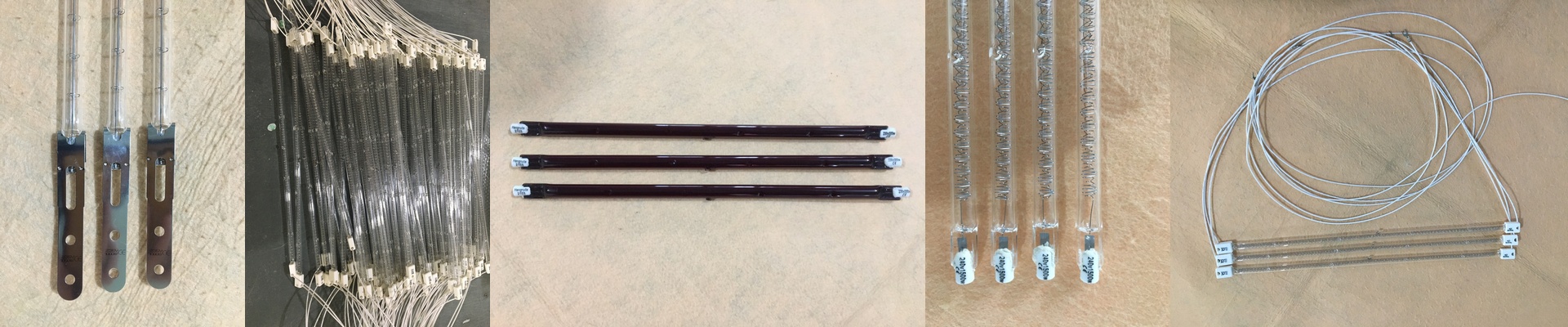
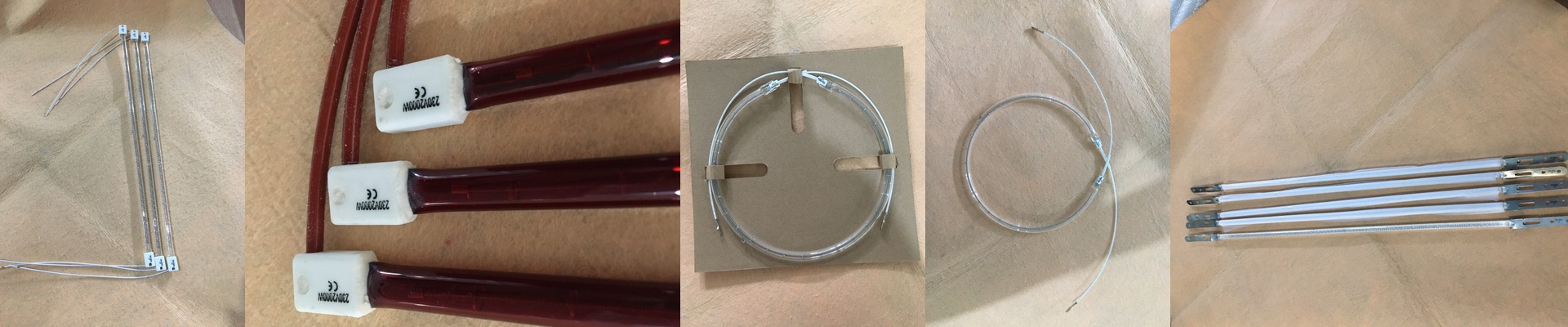
We build our infrared heaters around halogen lamps for one simple reason: they get the heat right where you need it, and they get it there fast. Forget warming up the whole room. These units turn electricity straight into radiant energy, hitting surfaces directly. It’s the kind of focused heat that keeps industrial drying, curing, and forming moving.
The Power Behind the Heat
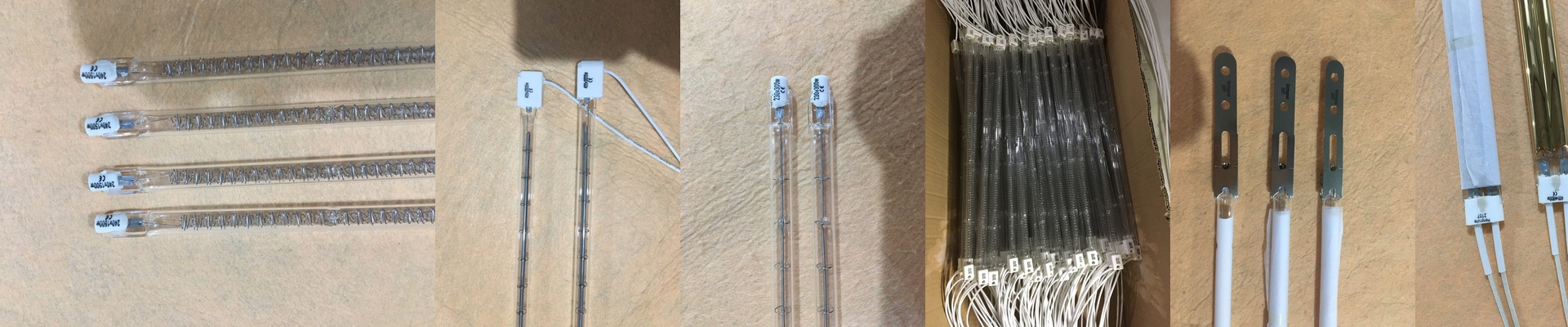
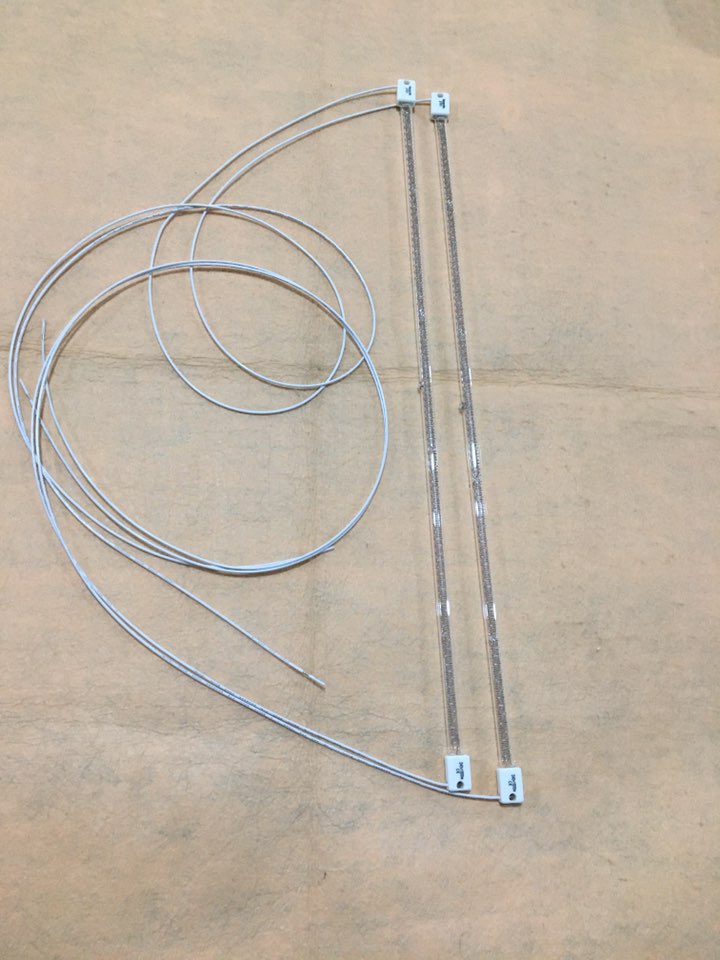
At the heart of these heaters is the halogen lamp. Picture a 300mm quartz tube that runs at 400V and pulls 2500W. That’s a serious amount of power packed into a tight space. And it’s intentional. That density creates a high heat flux, so temperatures climb quickly. You get the heat you need, without taking up a lot of room. But that intensity also means the machine needs solid cooling. We make sure the surrounding heat load is managed, so everything stays calm under pressure.
Why Quartz and Halogen Make Sense
The quartz envelope is there for one reason: it can handle extreme temperatures and deliver that shortwave infrared output. No fuss, just performance. Inside, the halogen cycle keeps the filament clean, so the output stays steady over the life of the lamp. And the R7s connector? Practical choice. It’s double-ended, linear, and handles the current safely. Plus, swapping a lamp is straightforward—no tools, no headache. It’s a straight drop-in replacement on the line.
Where This Shines (And What to Watch)
These heaters are built for work like PET blowing and coating curing. The infrared energy hits the product surface directly, which speeds up cycle times. The lamps react quickly when you change the power, so you can keep the heating profile right where you want it. But here’s the reality: the output is intense. That means you need to shield sensitive parts and keep the surrounding equipment cool. Plan for that, and you’re golden.
The Payoff
You get direct, fast heating that keeps production moving. You get control that feels responsive, not rigid. And you get a system that’s engineered for the tough spots, not just the easy ones. When you need heat that shows up on demand, this is how it happens.