Stop Letting Your Edgebander Slow You Down
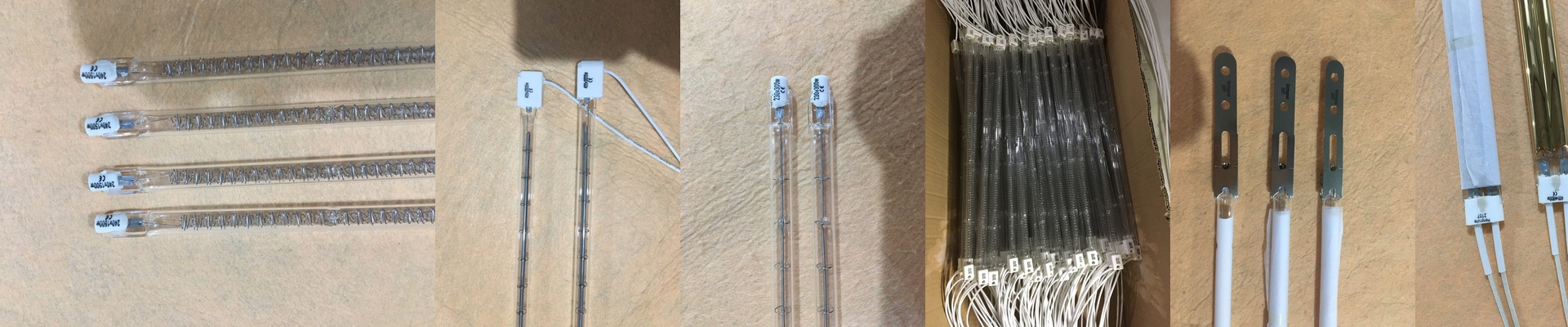
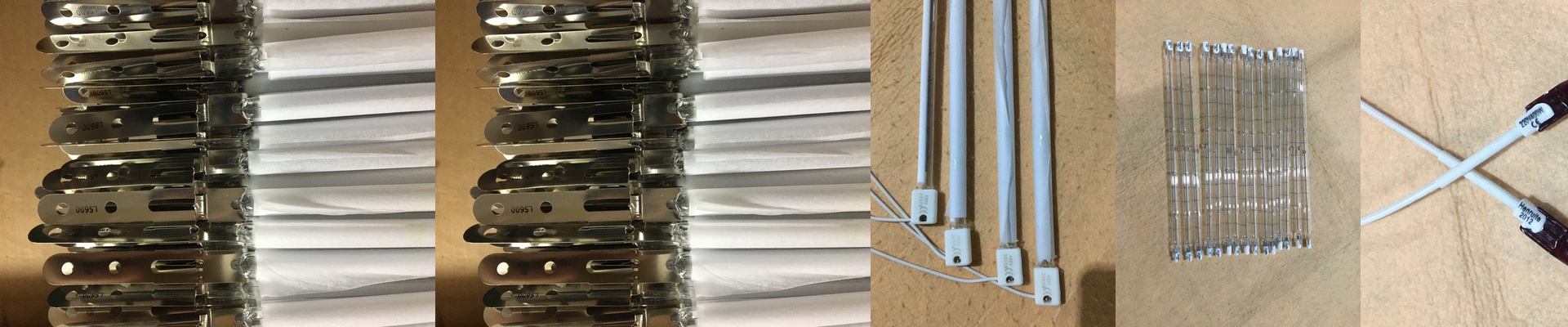
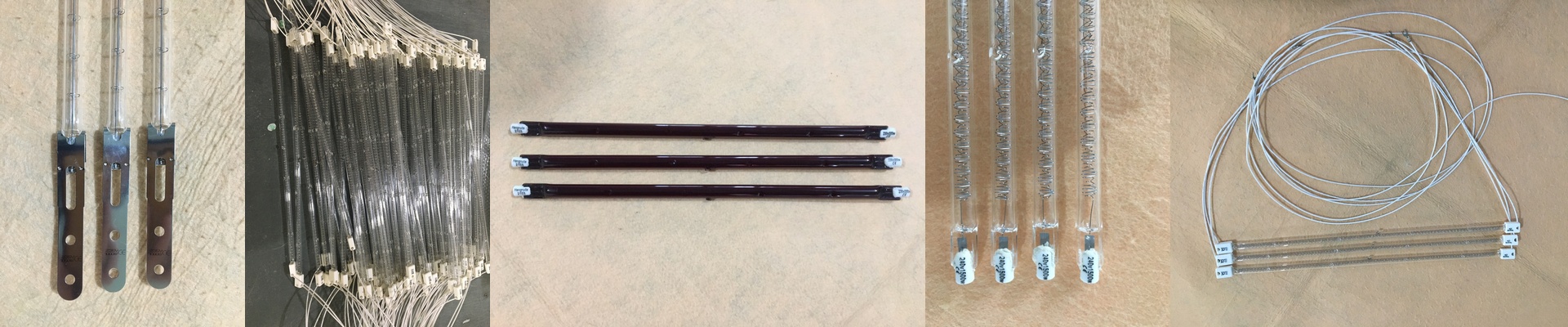
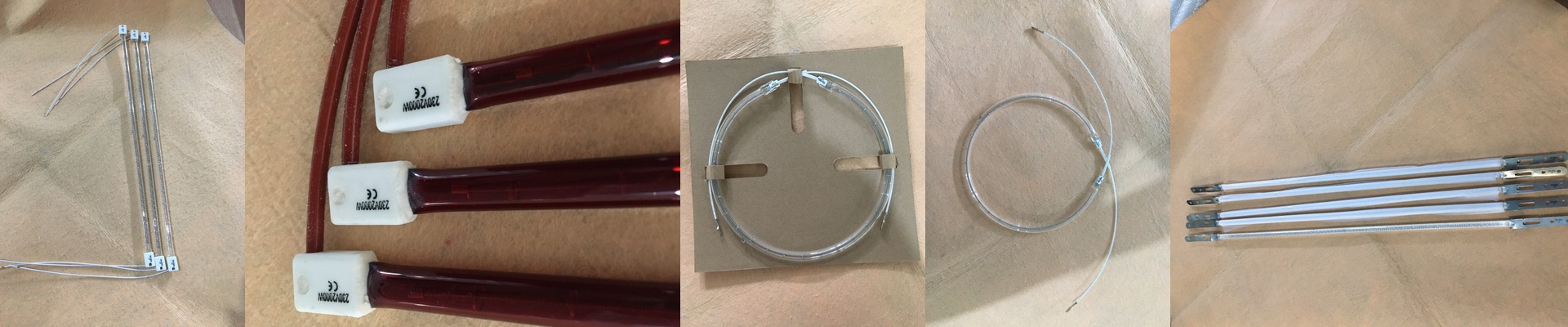
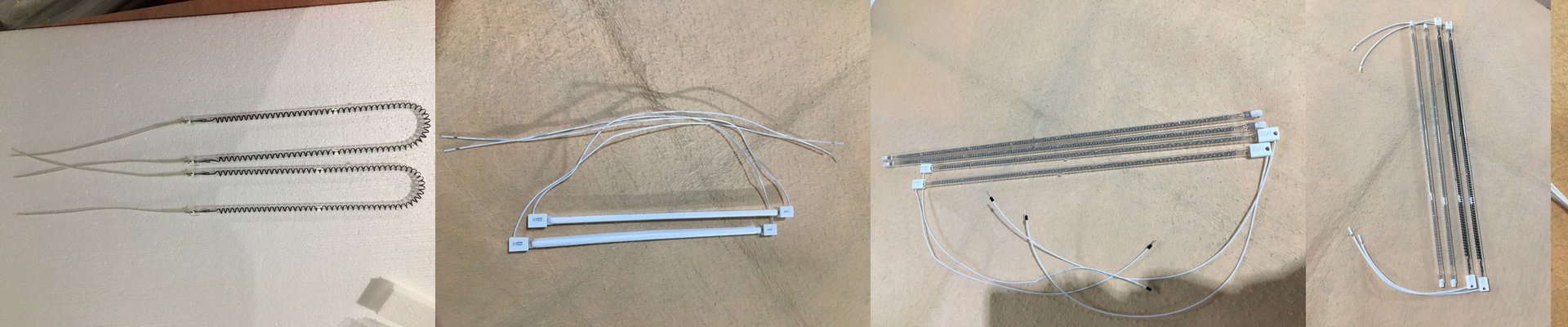
In a wood shop, the edgebander is usually where everything bunches up. It’s the bottleneck. When your IR lamps start to fade or burn out, you feel it immediately. Your line speed drops. You start second-guessing the bond. I see it all the time—shops grab the cheapest generic lamps they can find to save a few bucks upfront. But here’s the thing: those cheap bulbs usually can’t hit the exact heat profile you need to melt PUR or EVA glue properly at high speeds. It’s all about the heat. If you’re running IMA machines, you need a very specific balance of wattage and length. If it’s off, you’re either scorching your materials or dealing with glue that isn’t fully molten. An OEM-grade lamp does more than just plug in and glow. The filament is positioned exactly where it needs to be, and the quartz glass is pure. That means the heat stays consistent. You won’t find yourself slowing down the conveyor just to compensate for “cold spots” in the glue pot. It just works. The grit and the grime We use high-grade quartz glass with special coatings. Why? Because we want the heat to actually soak into the adhesive, not just warm up the air around it. Then there are the connectors. In a real production environment, things vibrate. A lot. Cheap pins wiggle loose, they arc, and eventually, they melt your socket. We use heavy-duty pins (like the R7s) that stay tight and keep the current steady, even when the shop is humming at full tilt. A quick word of caution High-wattage lamps are great for PET or PVC edging because they pack a punch. But there’s a trade-off. Pushing that much power through a short tube puts a lot of stress on the machine’s housing. Check your ventilation. If your cooling fans are choked with sawdust, even the most expensive lamp in the world is going to burn out early. Keep it clean, and the lamps will last. At the end of the day, sticking with OEM-grade parts means you aren’t swapping bulbs every few weeks. You stop worrying about inconsistent bonding and you keep the line moving. That’s how you actually make more money—by keeping the machines running and the waste low.