Stop Turning Your Shop Into a Sauna
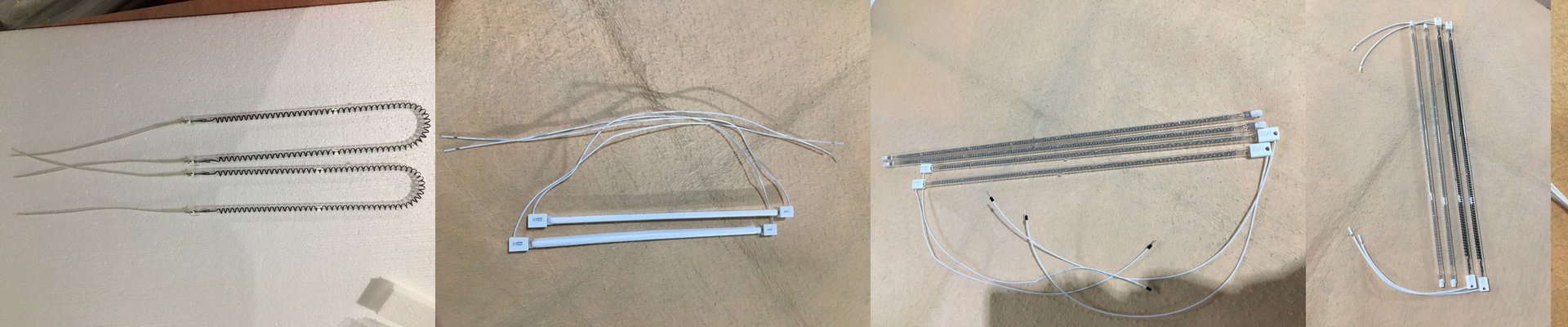
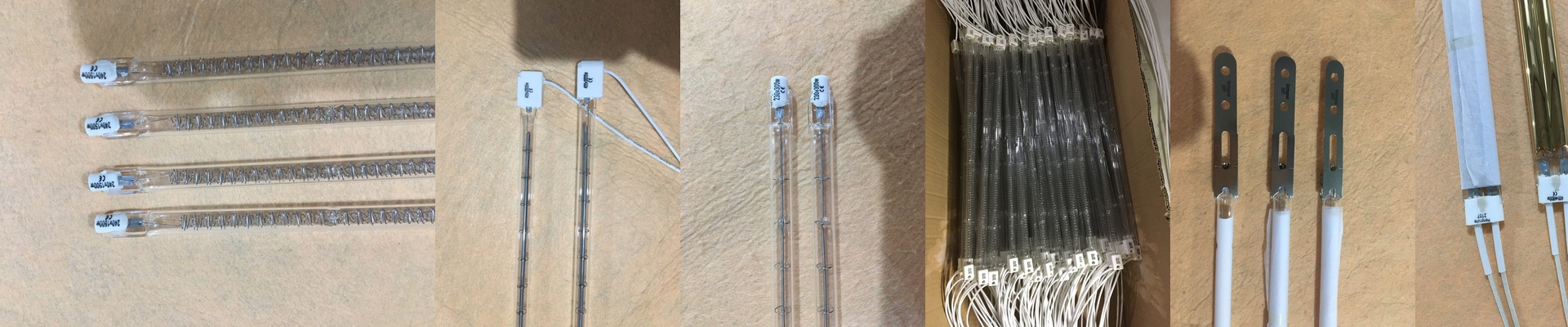
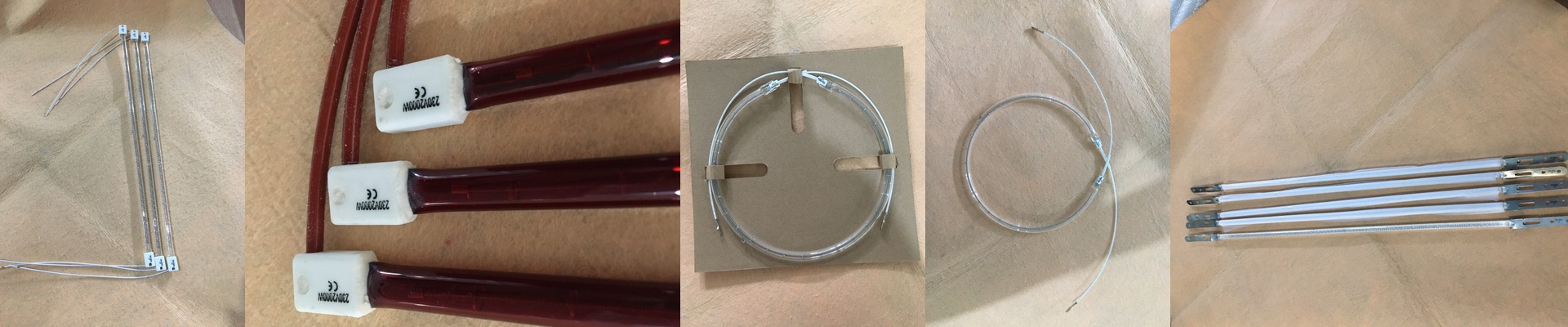
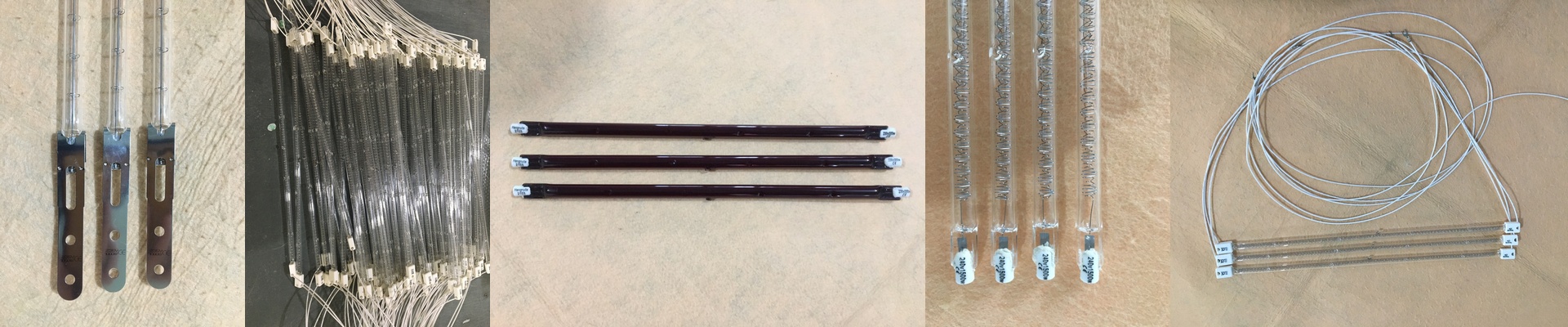
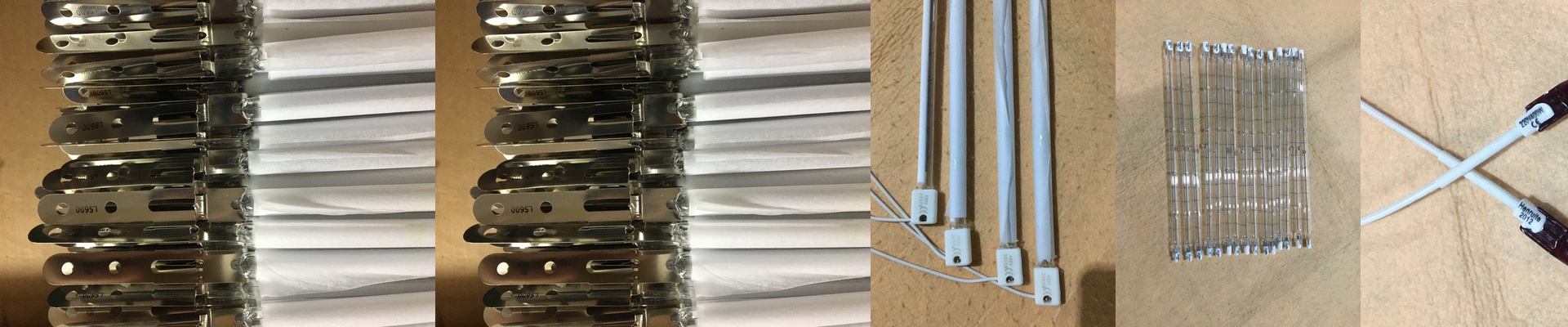
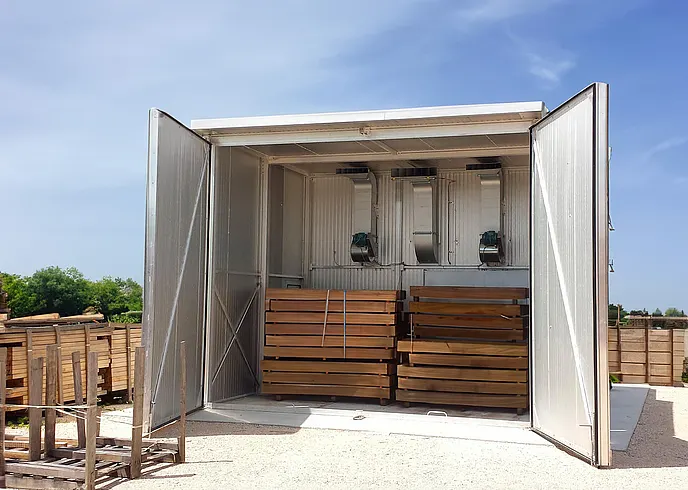
If you’ve ever spent a summer day curing resins or drying out wood, you know the struggle. Most setups just blast the air around the material with heat. It’s a total waste. Before you know it, your entire shop floor feels like a giant oven. It’s miserable for you, and it’s a nightmare for your AC. We do things differently. We use directional infrared (IR) lamps to put the heat exactly where it belongs. How it actually works Think about a standard heater. It just dumps energy into the room and hopes for the best. IR lamps aren’t like that. They send out radiation in a straight line. The energy travels through the air without heating it, and only dumps that heat once it actually hits the wood. You’re heating the workpiece, not the room. It’s a huge relief. Your shop stays cooler, your crew stays happier, and your HVAC system isn’t screaming for mercy all day. Getting the setup right For most wood projects, we stick with shortwave or medium-wave quartz lamps. They’ve got the punch needed to actually get deep into the timber rather than just scorching the surface. But you have to be smart about the power. You need to balance your wattage with how fast your line is moving. Higher wattage means you can push more product through the door, but you’ve got to make sure your electrical panels can handle the load. Nobody likes a tripped breaker in the middle of a big run. We also use focused reflectors. They tighten the beam so the heat doesn’t “bleed” onto your machinery or, worse, onto the person operating the line. The catch Here’s the thing: this kind of precision comes with a trade-off. Since the heat is so targeted, you can’t rely on the air to “soak” the wood and even things out. If your piece isn’t lined up perfectly under the lamp, you’re going to get cold spots. That means your conveyor tracking has to be spot on. If a piece shifts just a couple of centimeters, the heat density drops and your drying time crawls. It’s a small detail, but it’s the difference between a perfect finish and a wasted batch.