Stop Wasting Energy on Your Wood Ovens
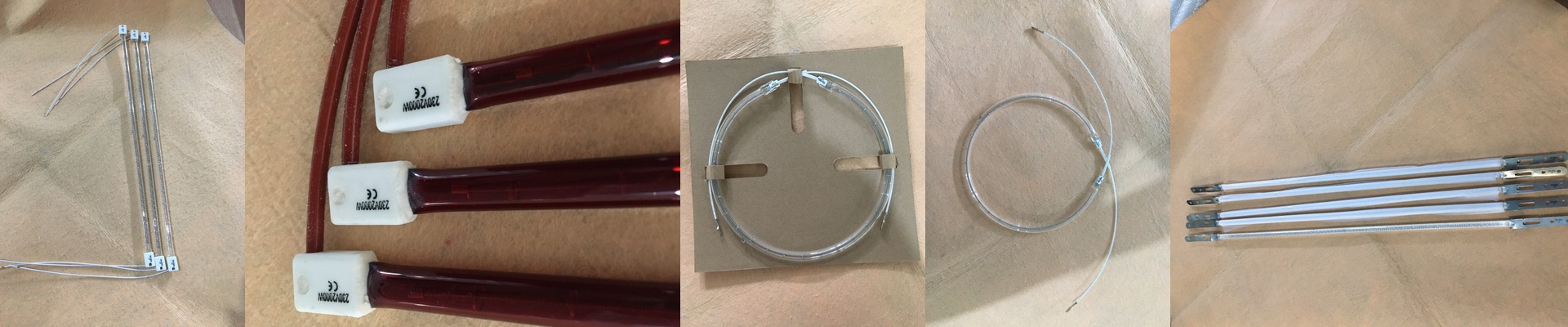
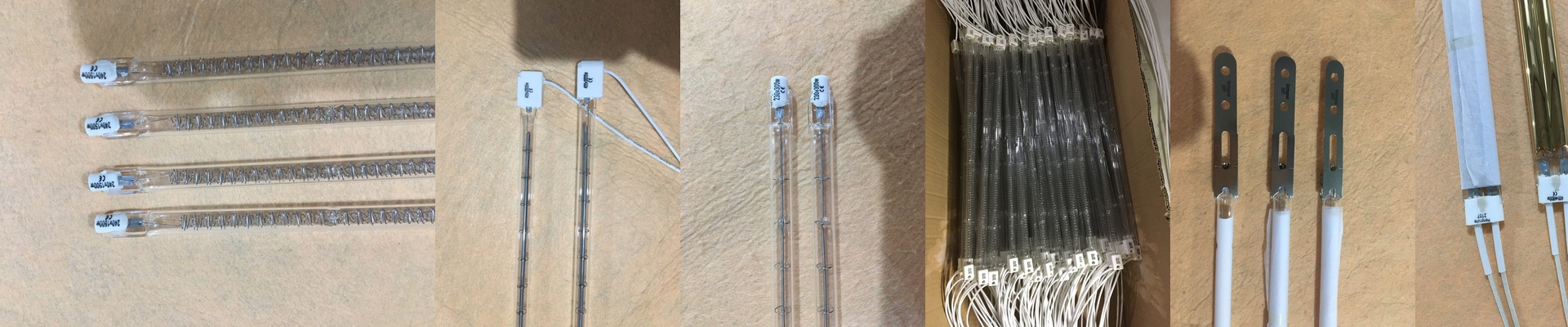
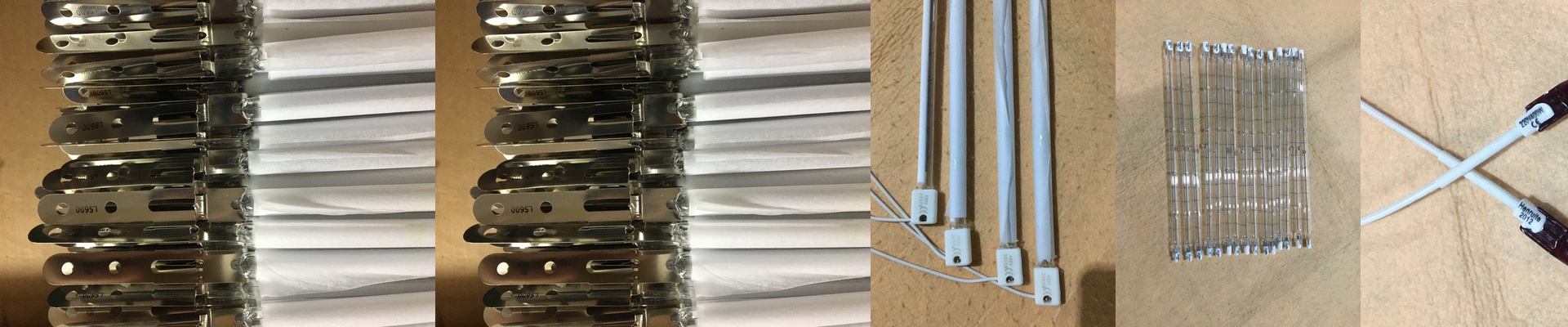
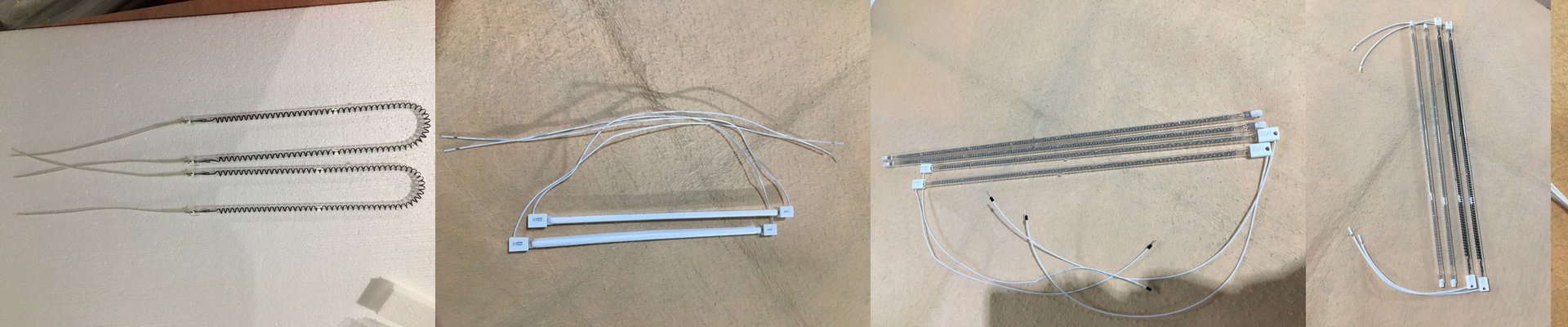
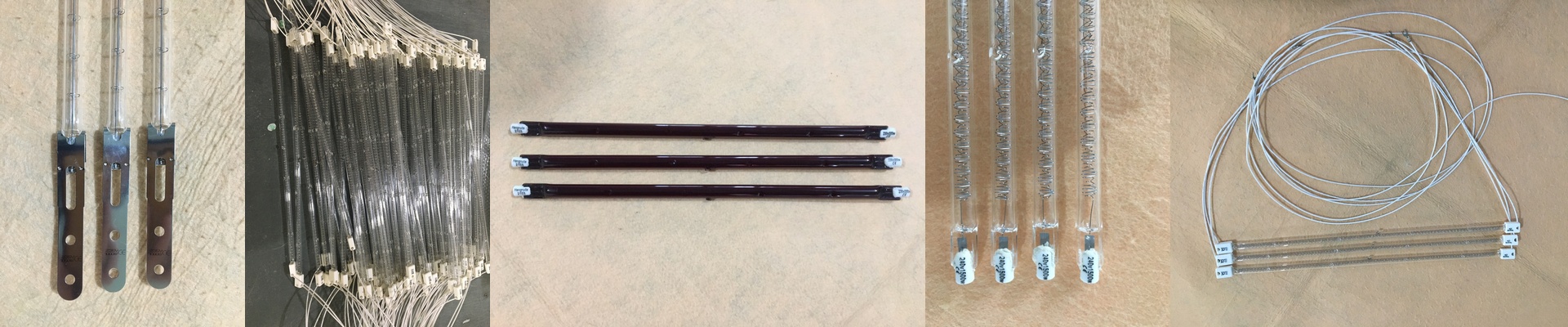
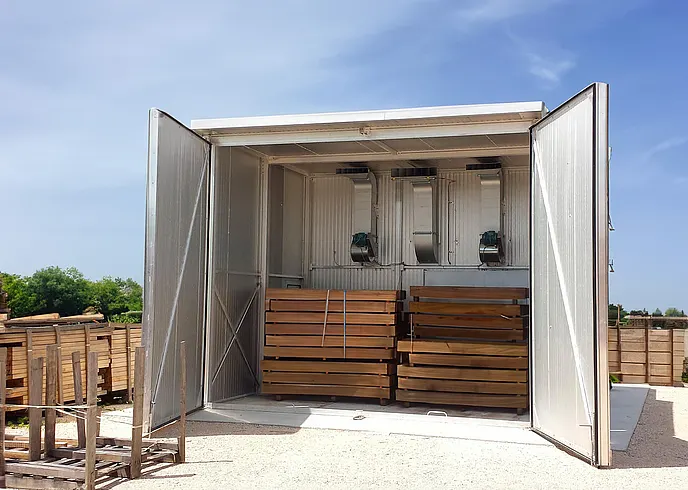
Let’s be honest: a lot of furniture shops are still clinging to old wood ovens that just aren’t cutting it. If you’re relying on old-school convection or outdated heating elements, you’re basically paying to heat the air around the wood before the timber even feels a thing. It’s a waste of time and a drain on your wallet. We fix that by swapping those old systems for short-wave infrared lamps. Instead of warming up the whole room, these lamps go straight for the moisture inside the wood. It’s a different kind of heat. With infrared, you aren’t sitting around waiting for the ambient temperature to climb. The radiation actually sinks into the surface of the wood, pushing the moisture out of the core way faster. This means you move more product through the shop in less time. Now, we don’t just throw a generic kit at you. We look at your oven’s size and the specific type of wood you’re running to get the wattage right. Just a heads-up: these high-wattage quartz tubes pack a punch. You’ll want to double-check that your wiring can handle the load so you aren’t tripping breakers every time you hit peak production. The gear is simple, but handle it with care. We use high-purity quartz glass. Why? Because it won’t cloud up or crack when the temperature jumps. The best part is that these are drop-in replacements. You don’t have to tear down your oven or rebuild the whole chassis. Most of our units use standard connectors, so the swap is quick and painless. But remember, quartz is glass. It can take the heat, but it can’t take a hit. If your shop floor is a bit chaotic or you’ve got a lot of vibration, we’ll get some protective guards installed. It’s better to spend a little on a shield than to replace a shattered lamp. The trade-off Here’s the real win: your electric bill. These lamps hit their operating temperature almost instantly. No more paying for “warm-up” time while you wait for the oven to get ready. But there is a catch. Because the heat is so intense, you’ve got to keep a close eye on your feed speed. If the wood crawls too slowly, you’re going to end up with scorched surfaces or checking. You’re trading that slow, lazy heat for a high-intensity system. It takes a bit more attention to your conveyor timing, but once you nail that rhythm, your energy costs plummet.