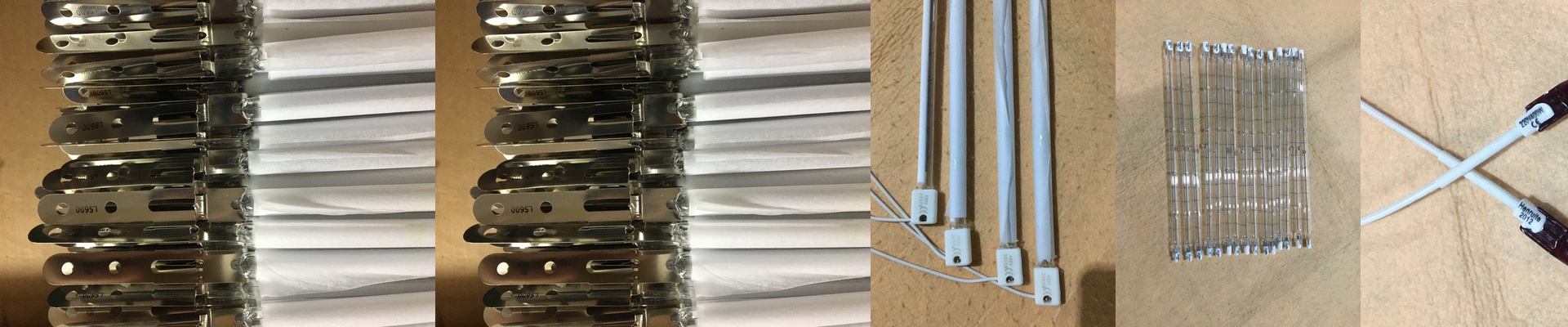
The Real Deal on Our Infrared Lamps for Ducklings
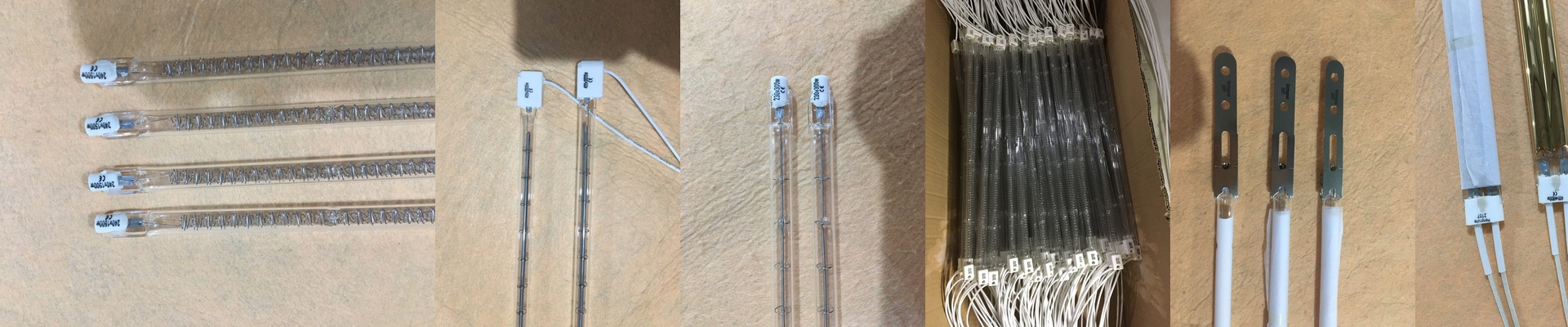
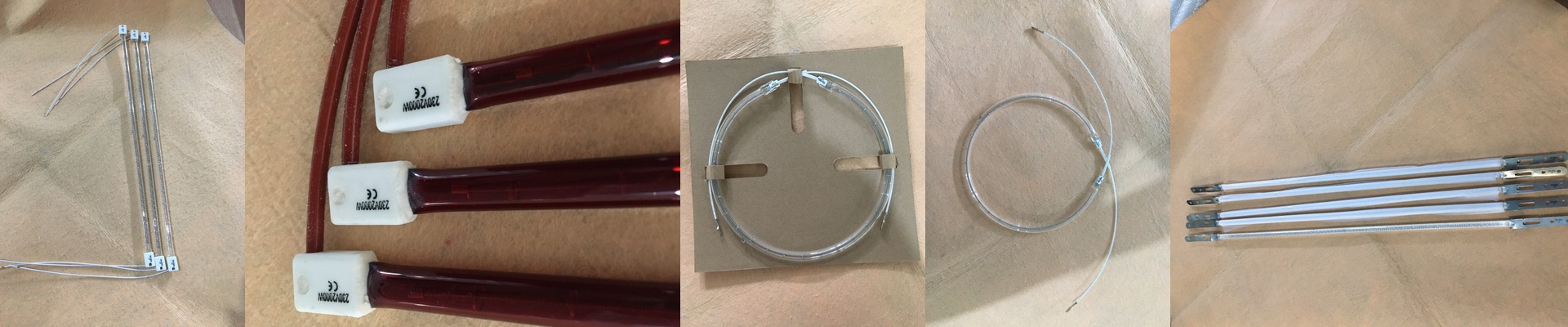
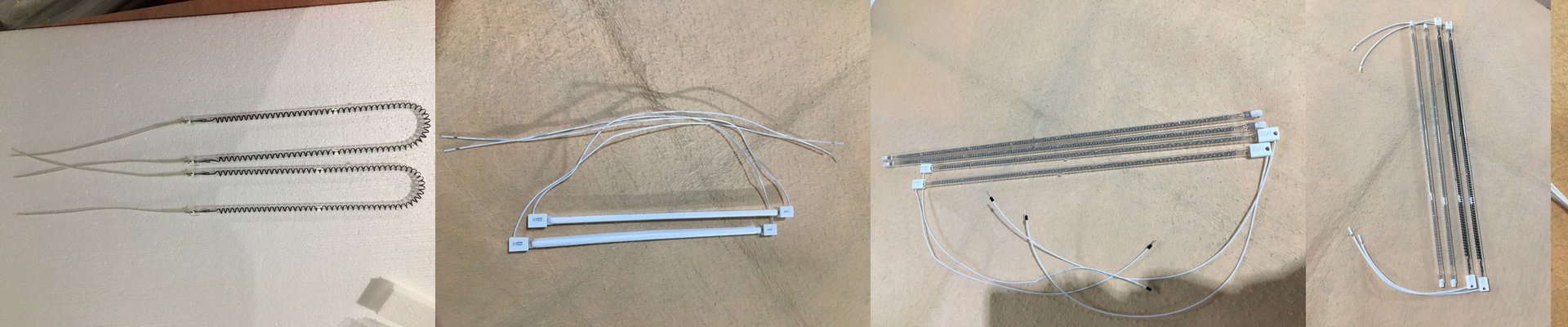
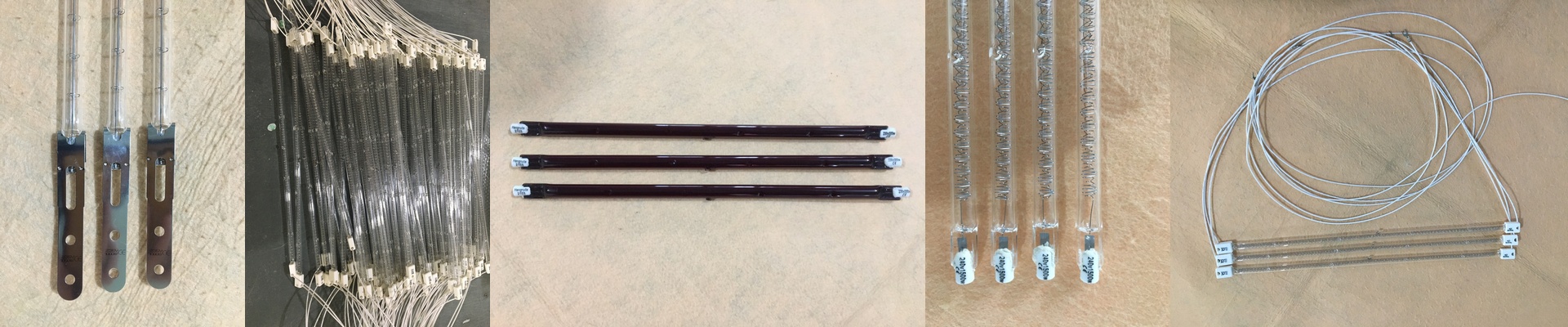
We build infrared lamps for some of the biggest breeding equipment brands in the world. Now, when we talk about “OEM specs,” we aren’t just checking a box on a datasheet. We’re talking about the actual, gritty details of how a duckling survives its first few days.
Getting the heat just right
Ducklings are picky. If it’s too cold, they huddle and suffocate; too hot, and they scatter. To stop that, we use high-purity quartz glass. Why? Because it keeps the heat steady from one end of the tube to the other. There’s nothing worse than a filament that spots or burns out because the voltage jumped. That’s why we’re obsessive about wattage. If a 250W lamp only pulls 230W, it’s trash. We toss it. We keep the numbers tight so your brooder floor has a nice, even blanket of warmth.
Built for the mess
Let’s be honest: poultry houses are brutal. You’ve got dust, ammonia, and moisture eating away at everything. To fight that, we put reinforced seals at the contact points. It keeps the moisture out of the filament so the glass doesn’t crack when the temperature swings. And depending on what you need, we’ve got different coatings. Shortwave lamps hit the surface fast. Longwave lamps soak in deeper. You just pick the one that fits the age of your birds and how chilly the room is.
Making it work in the real world
These are designed to be drop-in replacements for the big brand housings. We use standard industrial connectors, so you can wire them up and get back to work without a headache. But here is a pro tip: high-wattage tubes put out a ton of radiant heat. That’s great for the birds, but it’s hard on your reflectors. If your reflectors are caked in dust or starting to degrade, you’re losing about 20% of your heat. Even worse, the housing can overheat. Our glass can take the heat, but you’ve got to make sure there’s enough airflow around the fixture to keep things safe.