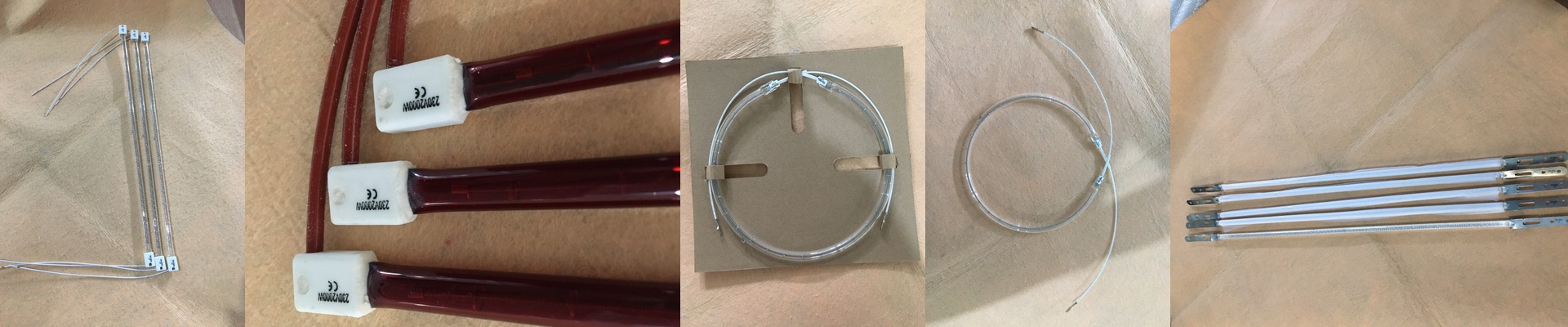
Let’s Put Our Wood Dryers to the Test
We’re doing something a bit different. We’re opening up our flooring lines so you can run side-by-side tests against the big international brands. Most companies just hand you a glossy brochure and hope you believe the numbers. We aren’t into that. We’d rather show you the actual field data. If you’re running a high-end line, you know the stakes. One wrong move with the moisture gradient and you’ve got a warped board. It’s that simple.
It’s not just about the heat
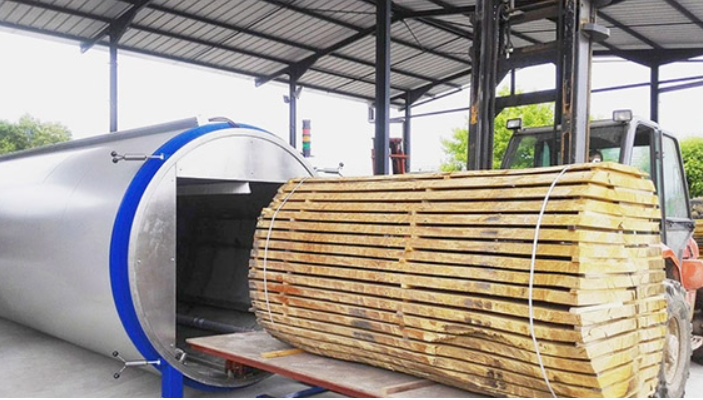
A lot of people think drying wood is just about cranking up the heat. It’s not. It’s actually about how that heat gets inside the wood and how the air moves around it. We focus on the saturation point of the fibers. We use a carefully controlled thermal curve to stop “case-hardening.” Here’s the problem: if the surface dries too fast, it locks the moisture inside the core. Then, the moment that board hits your warehouse, it starts checking and splitting. Not a great look. Our heaters are dialed in to keep the temperature steady across the entire kiln. No “cold spots.” No reason to slow down your feed rate just because one corner of the kiln isn’t keeping up.
Built for the grind
These units are designed to run 24/7. We use heavy-gauge alloys because they don’t warp when they’re heated and cooled a thousand times over. We also spec our fans for high static pressure. That way, every single board in the stack gets the same amount of airflow. Now, a word of caution. Some people try to rush the drying time, but that just puts internal stress on the timber. We aren’t going to tell you we can “cure” wood in an instant. That’s a lie. What we can do is give you the controls to hit your lowest moisture target without ruining the grain.
Come see for yourself
Bring your own timber. Bring your own moisture targets. We’ll set our system up right next to whatever international gear you’re using now. We’ll track three things:
- How many KWh it takes to dry a cubic meter.
- How long the cycle actually takes.
- How many A-grade boards come out the other end. The numbers will tell the story.