Stop Throwing Money Away on Your Poultry Heating
When you’re setting up a new automated chicken house, picking out your infrared (IR) lamps feels like just another item on a long shopping list. But here’s the thing: it’s actually a ten-year financial decision. If you pick the wrong wattage or wavelength today, you aren’t just making a small mistake. You’re signing up to pay for wasted electricity every single month for the next decade. It adds up fast.
Getting the Heat Right
In an automated setup, you need the heat to land exactly where it’s supposed to. Short-wave IR lamps are great for brooding because they hit the birds instantly. But they’re finicky. If your voltage isn’t steady, they can burn out way too quickly. I see this all the time: someone buys the cheapest lamps they can find to save a few bucks upfront. Then they flip the switch and realize the power draw is way higher than their panels can handle. You’ve got to look at the big picture. Think about your building’s insulation. High-wattage arrays get the job done fast, sure. But if your ventilation timing is off, you’re basically paying to heat the outdoors. Total waste.
The Real-World Trade-offs
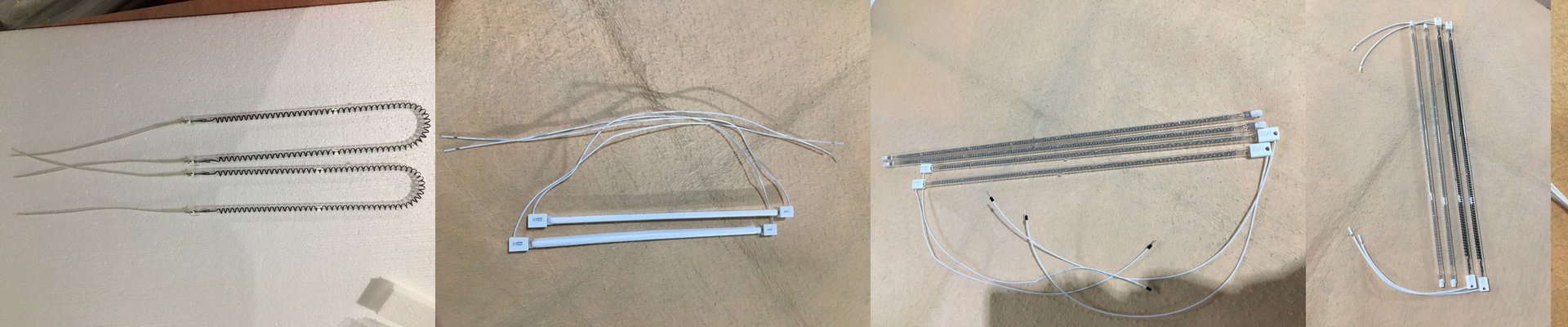
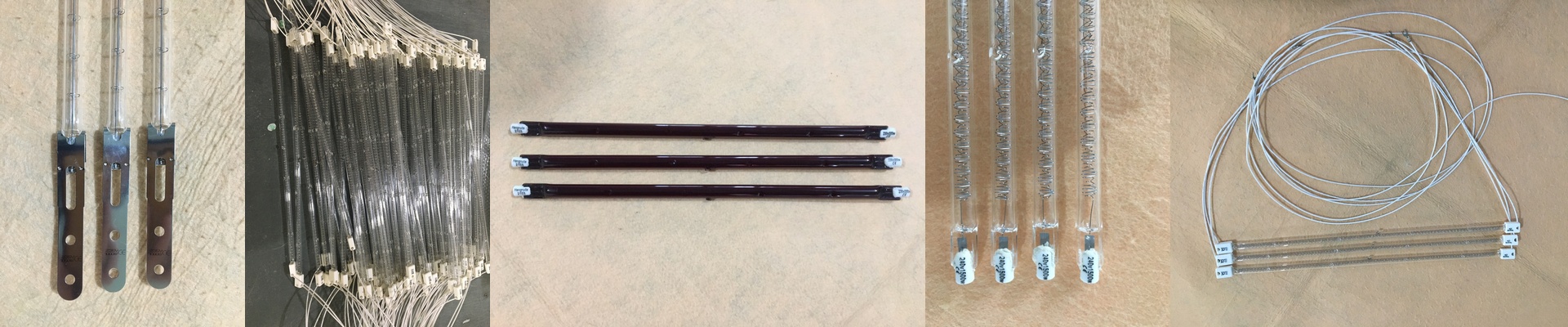
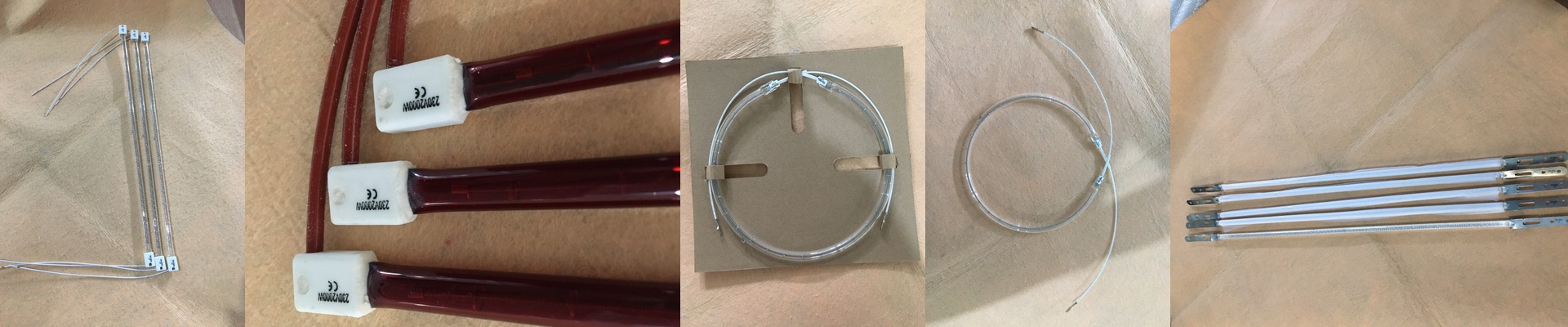
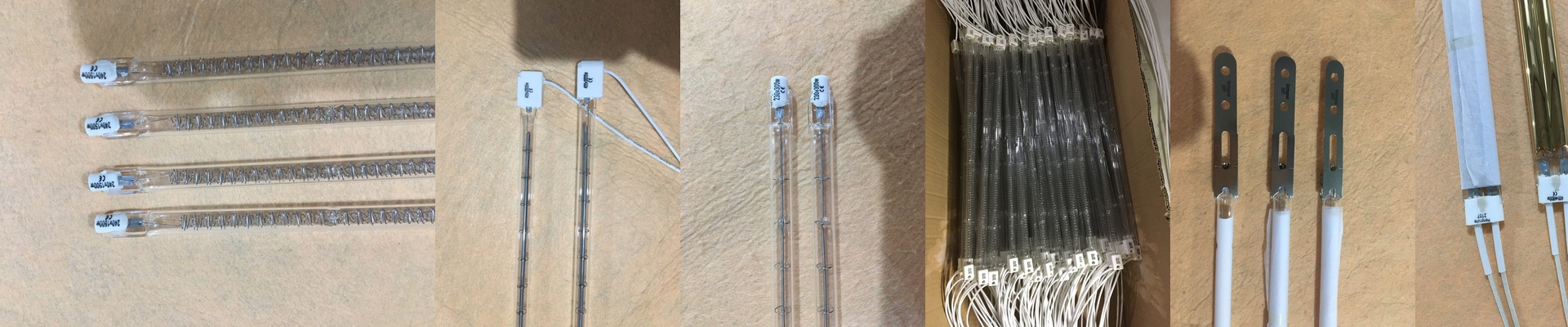
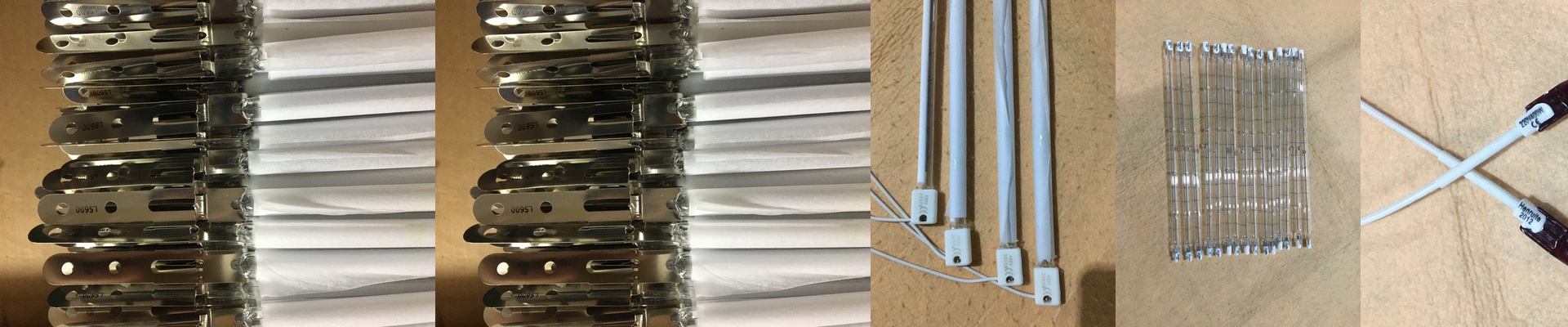
Most of these industrial heaters use quartz envelopes. They’re tough, but let’s be honest—they can crack if something hits them. If your birds are in a high-activity zone, get the reinforced guards. Seriously. I usually suggest halogen-filled tubes if you want them to last. Now, there is a catch. Halogen lamps take a few extra seconds to get up to temp compared to basic resistive elements. It’s a tiny delay, but the payoff is a steady, reliable heat that lasts for thousands of hours.
Planning Now to Save Later
The secret to keeping your monthly bills down is all in the wiring and the layout. If you map out your IR arrays correctly, you won’t blow your breakers. Plus, you avoid those annoying “cold spots.” When you have cold spots, the temptation is to just crank up the heat for the whole house. That’s how your electric bill spirals out of control. Put the heat where the birds actually huddle. Keep it targeted. And for heaven’s sake, don’t under-spec your capacity. It’s tempting to go small to save money now, but then you’ll end up adding supplemental heaters in a year. That means more wiring, more downtime, and a lot of headaches you just don’t need.