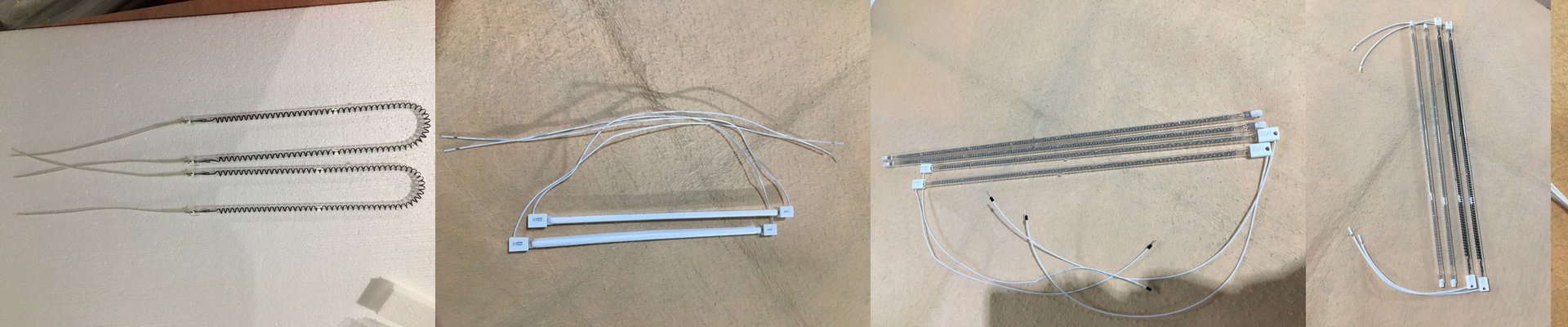
Let’s talk about engineering halogen heat lamps
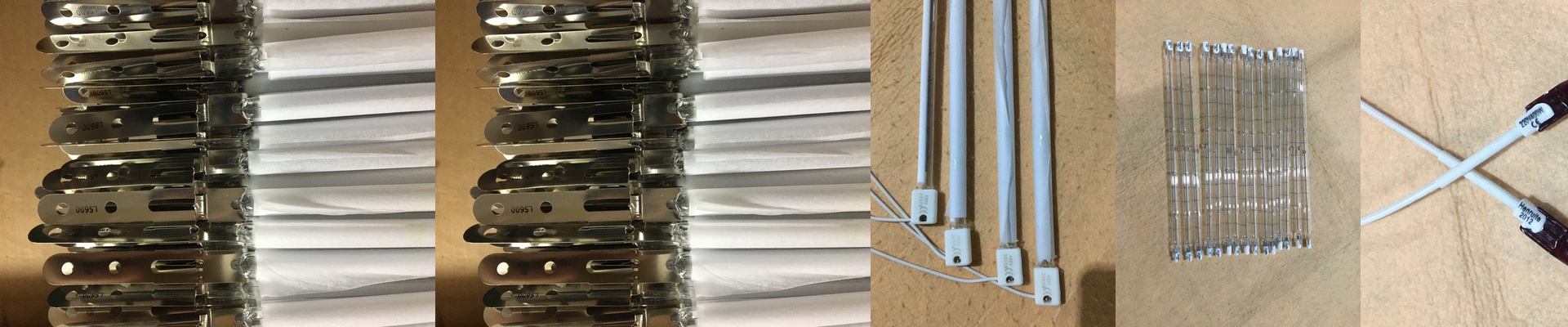
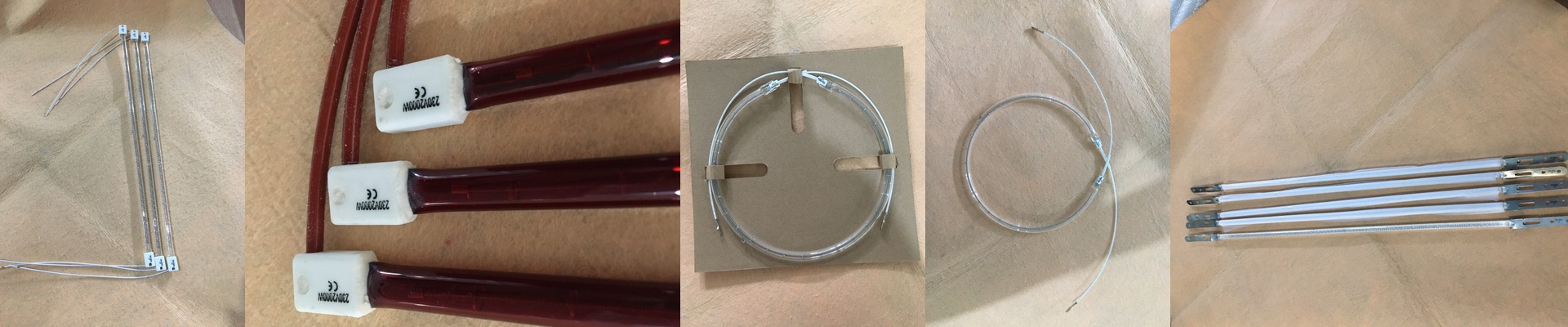
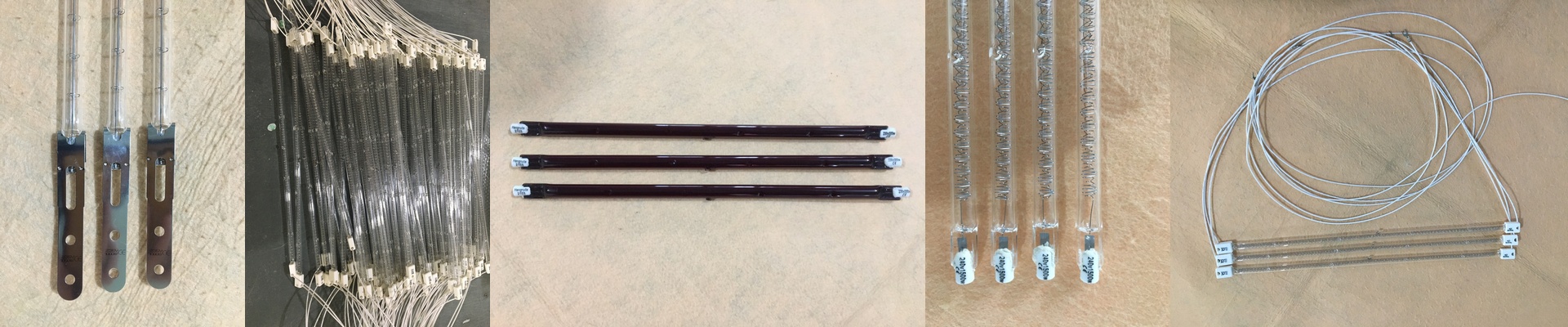
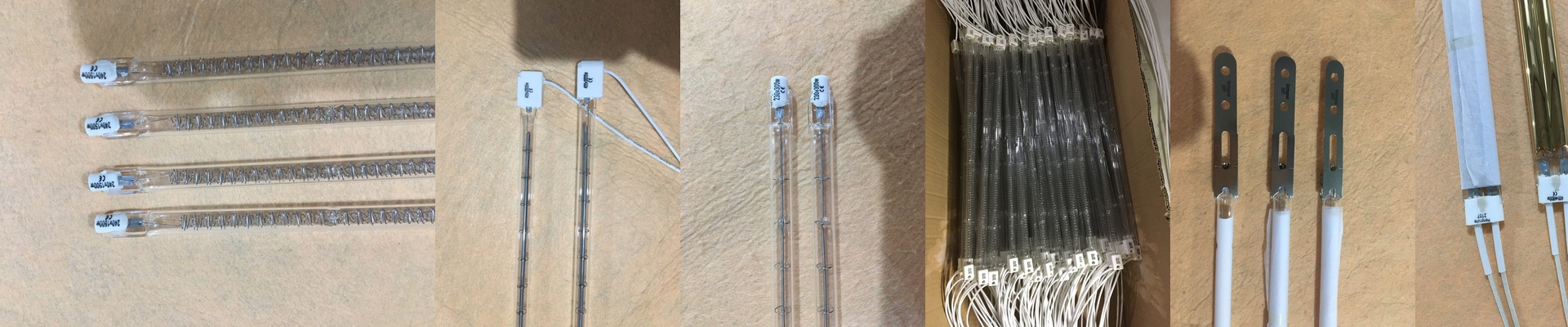
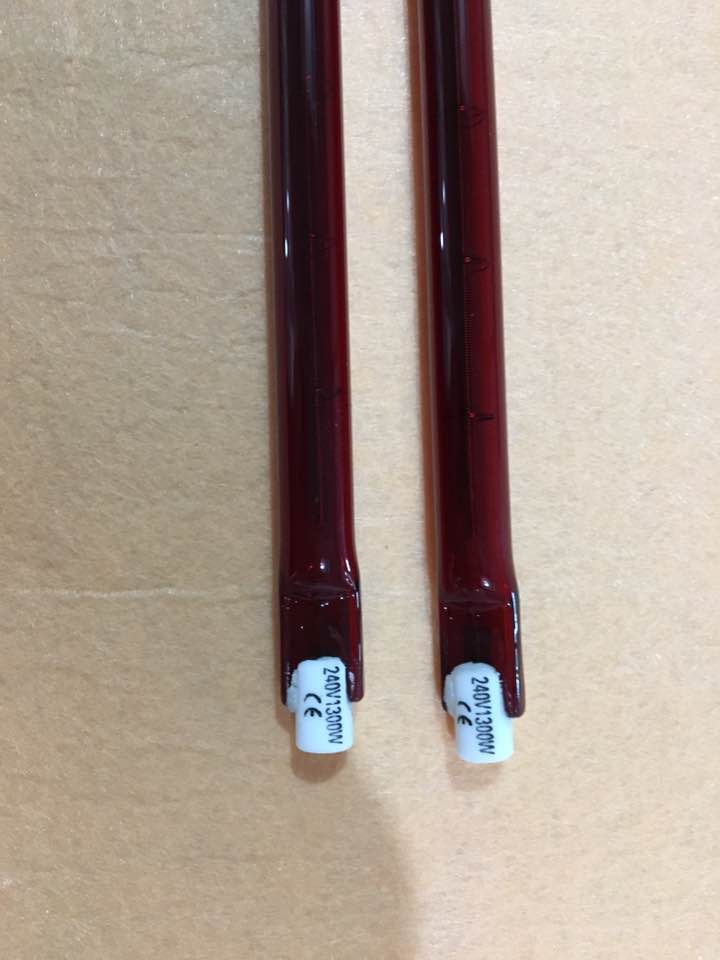
At the core of these lamps is a tungsten filament tucked inside a quartz tube. We fill that tube with a specific halogen gas mix, which basically stops the filament from evaporating too quickly. The goal here is to blast out shortwave infrared radiation. Unlike your standard heating elements, this stuff cuts right through materials. It’s fast. Really fast. Power and the heat factor When we’re picking specs, it all comes down to how much heat you actually need hitting your target. We usually go with high-voltage setups—think 220V to 400V. This lets us cram a ton of wattage into a short tube without blowing a fuse. Imagine a 300mm tube pushing 2500W. That’s a massive amount of energy. But here’s the thing: your reflectors have to be up to the task. If they’re dirty or pitted, you’re just wasting power, letting that heat leak into the chassis instead of where it belongs. The hardware side of things The quartz glass does the heavy lifting as your thermal barrier. Depending on what you’re doing, we can coat the glass to change how the heat emits or just to keep the tube from getting gunked up. For the connections, we stick with R7s or Sk15. They’re simple. If you’re running PET blowing or curing ovens, these just slide right in. The R7s clip-in design is a lifesaver—you can swap a dead lamp in seconds and get back to work without having to rewire the whole bank. The trade-offs you should know about These lamps hit their peak temperature almost instantly. That’s a huge win for your production speed, but it’s a bit brutal on the glass. If you hit a scorching hot tube with a blast of cold air, it’ll crack. Simple as that. You have to find that sweet spot with your airflow—keep the ends cool, but don’t quench the center. One last tip: keep your power supply steady. Voltage spikes are the fastest way to fry a filament, and nobody wants to be replacing lamps more often than they have to.