Can you actually push more bottles through your line just by swapping your heaters?
If you’re running an older blow molding setup, you know the frustration. You’re staring at your cycle times, wishing you could hit a higher BPM, and you start thinking, “Maybe it’s time to drop a fortune on a brand new machine.” Hold on a second. Before you sign a massive check, look at your oven. Most of the time, the bottleneck isn’t the machine itself—it’s just that the heat isn’t getting into the plastic fast enough. Switching out those tired old lamps for high-density infrared modules can completely change the math for you.
Let’s talk about heat
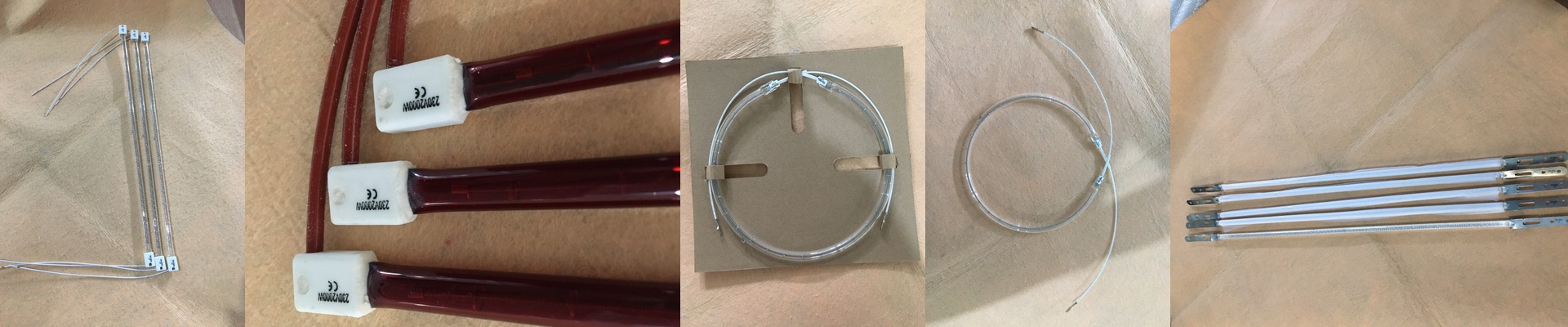
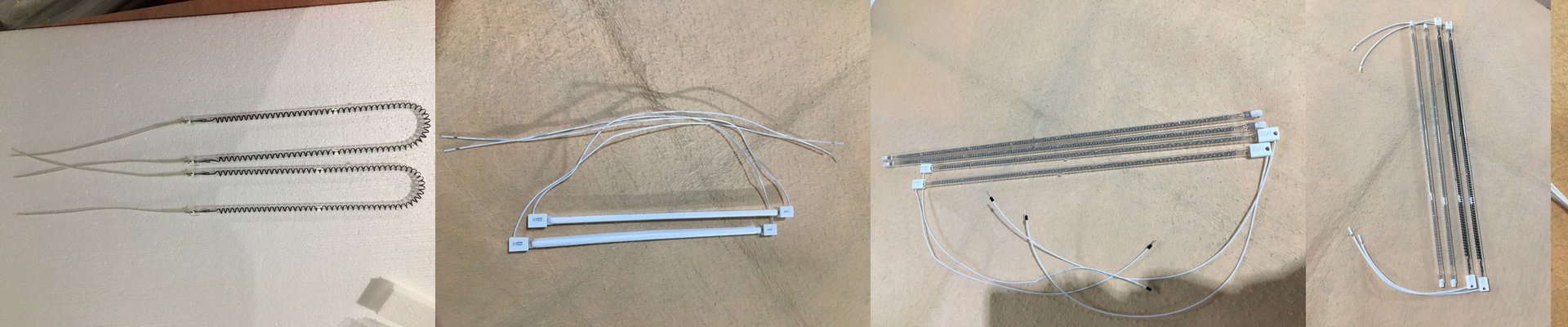
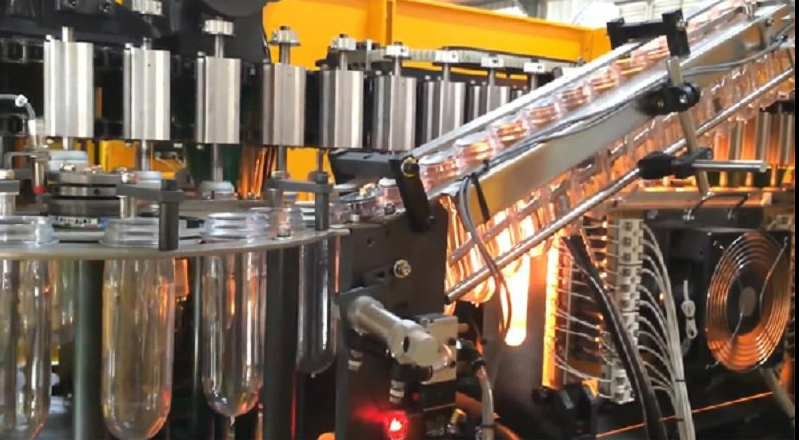
To speed things up, you need that PET preform to hit its glass transition temperature quickly. But here’s the trick: you want the heat to soak deep into the plastic without scorching the surface. That’s why we lean into shortwave infrared. It punches through the material faster than the longwave stuff. By cranking up the wattage per millimeter, you spend less time waiting around in the oven. Now, a word of caution. If you swap a 1500W tube for a 2500W one, you’re dumping a lot more energy into the system.**Check your wiring first.**If your electrical panel is already pushed to the limit, these high-output modules will trip your breakers faster than you can say “downtime.”
Will it actually fit?
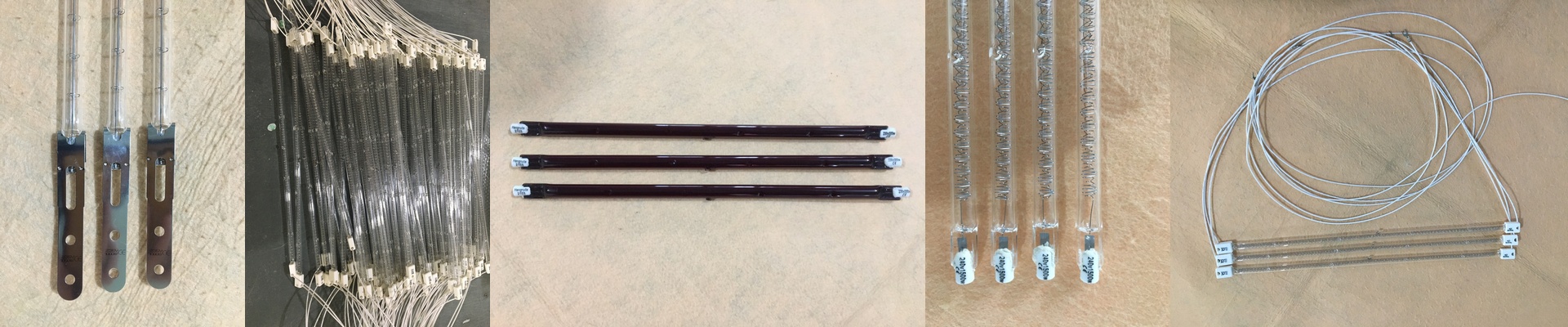
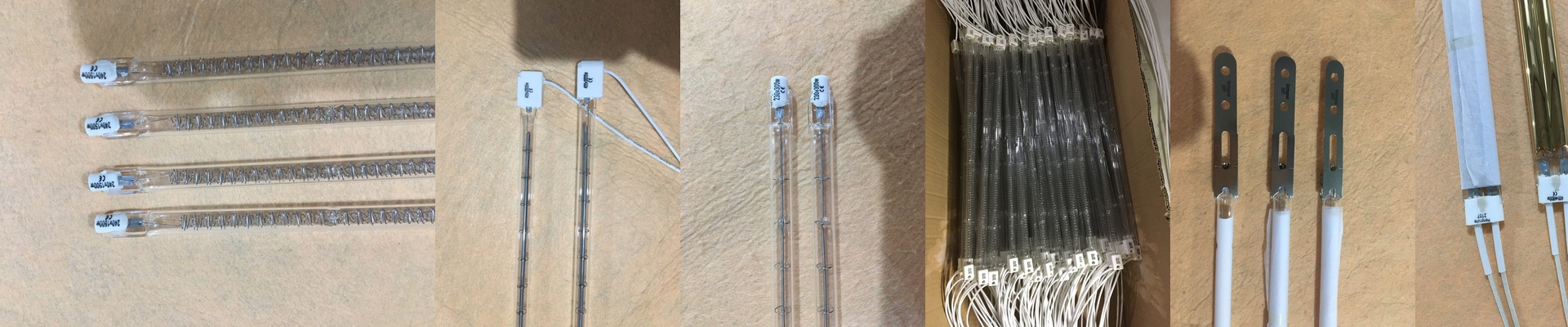
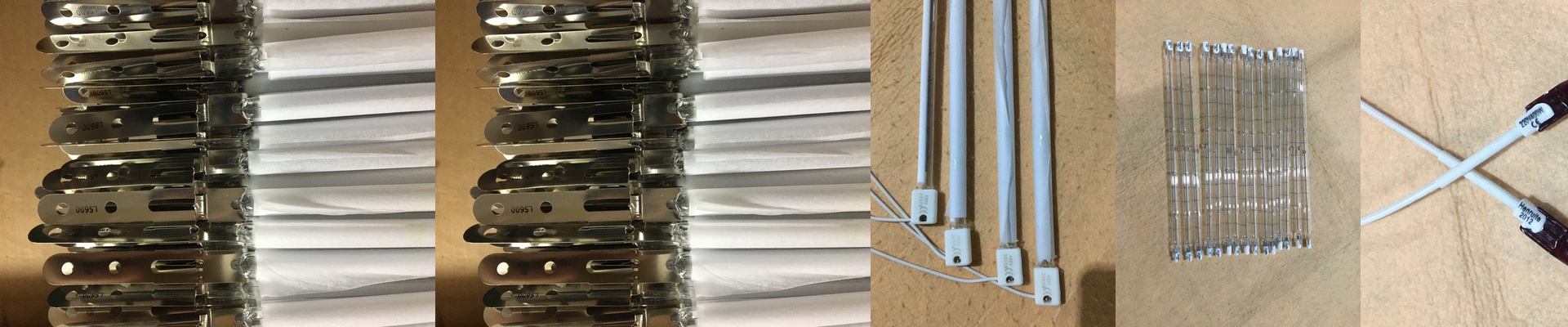
Nobody wants to spend a weekend rewiring a whole chassis. We use quartz glass with special coatings that push the heat forward—right into the preform—instead of letting it bake the inside of your machine frame. As for the fit, we stick to the basics: R7s or Sk15. They’re basically drop-in replacements. You just swap the lamp, maybe change the socket if the voltage is different, and you’re back in business.
The catch
It sounds like a magic fix, but it takes a little tinkering. When you increase the heat density, you’re playing with fire—literally. If your conveyor speed isn’t dialed in just right, you might see “pearlization” or those annoying burnt spots on the plastic. You’ll probably spend a few hours recalibrating your heating zones and adjusting your cooling blow-molds to keep up with the new speed. It takes a bit of patience, but it’s the fastest way to squeeze every last bit of capacity out of an old machine without replacing the whole thing.