Keeping Your Felder Lamps from Burning Out
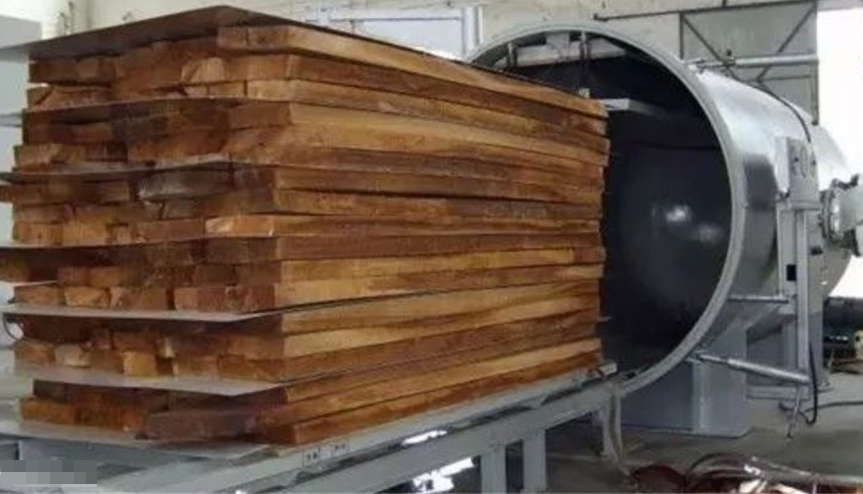
If you’re running your Felder machine at full tilt for high-density production, you know the infrared lamps take a real beating. When you’re trying to pull moisture out of wood fast, you’re dealing with extreme temperature swings. If a lamp isn’t built for that kind of stress, the quartz tube will crack or the filament will just give up the ghost way too soon.
Why lamps actually break
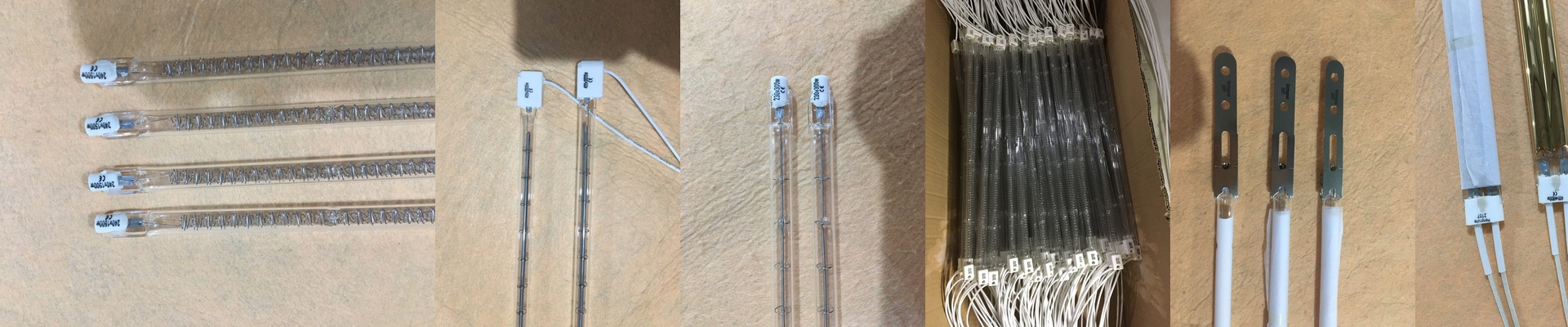
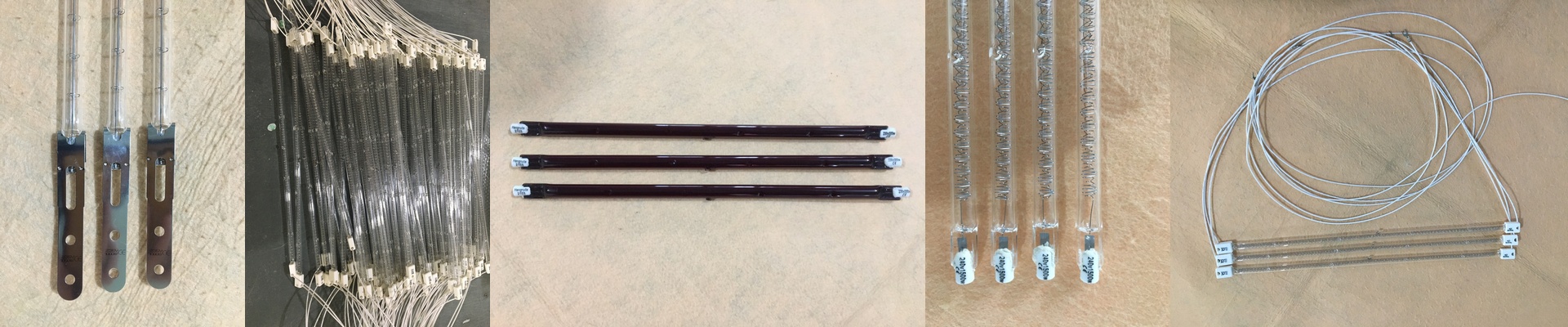
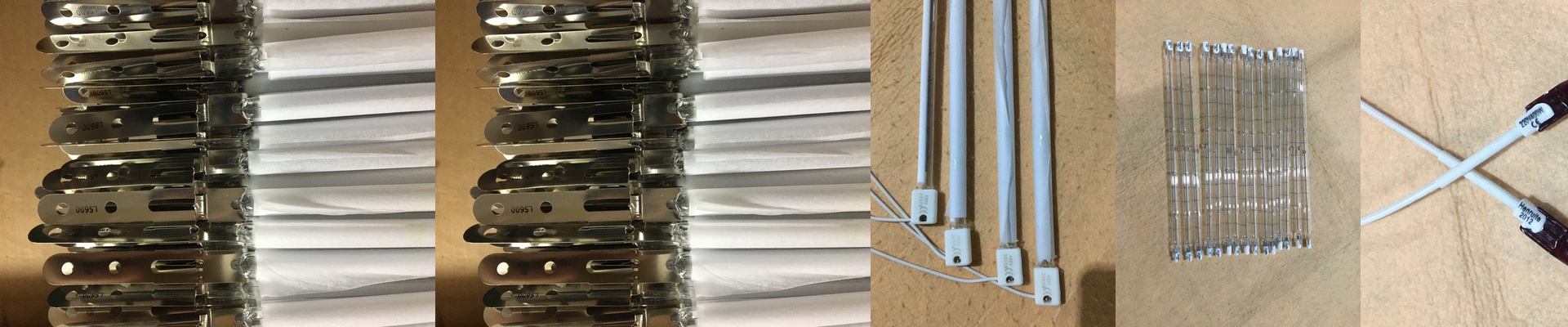
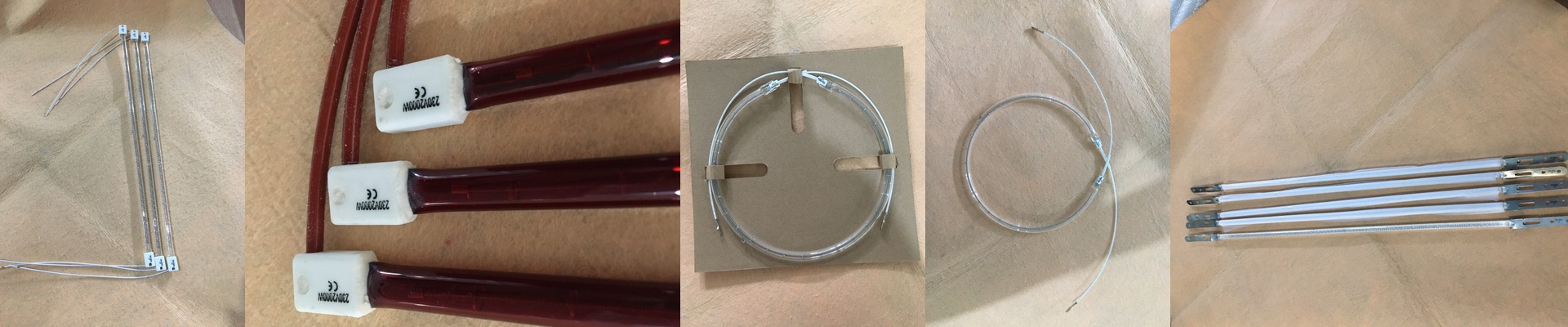
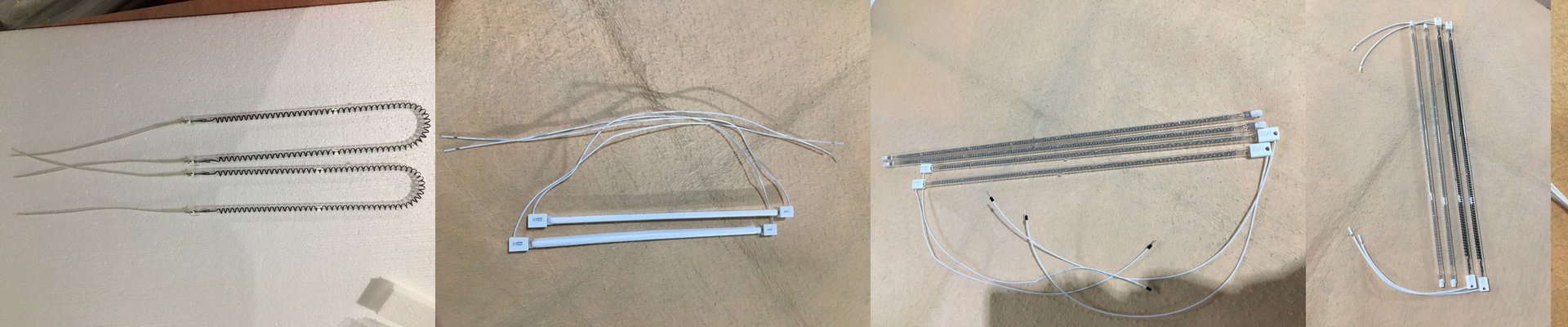
Here’s the thing: the biggest enemy in a high-load setup is “hot spotting.” When heat doesn’t spread evenly across the tube, it creates tension. Eventually, that tension just snaps the glass. We solve this by using heavy-wall quartz and a precise halogen cycle. It keeps the filament centered and the heat moving smoothly. But it’s not just about the glass. If a lamp is loose in the housing, it vibrates. That vibration eventually kills the pinch seal. We make sure our tubes are machined to a tight tolerance so they sit snug in the Felder rails. No rattling, no mechanical failure.
Dealing with the heat
Packing high wattage into a small space creates a ton of heat density. It’s great for drying speed, but it’s brutal on the electrical connectors. To stop oxidation and voltage drops, we use reinforced contacts. They just hold up better. One quick tip: keep an eye on your airflow. Even the best high-output lamp can’t fight a clogged ventilation system. If the air isn’t moving, the temperature around the socket spikes. That’s how you end up with melted wiring or a lamp that dies months before it should.
Getting them in the machine
These are simple drop-in replacements. No need to mess with your wiring or call in a specialist. Just make sure your contacts are clean and the tube is seated all the way before you flip the switch. If it’s not seated right, you get uneven heating, and that’s usually why tubes burst in industrial dryers.Get it snug, and you’re good to go.