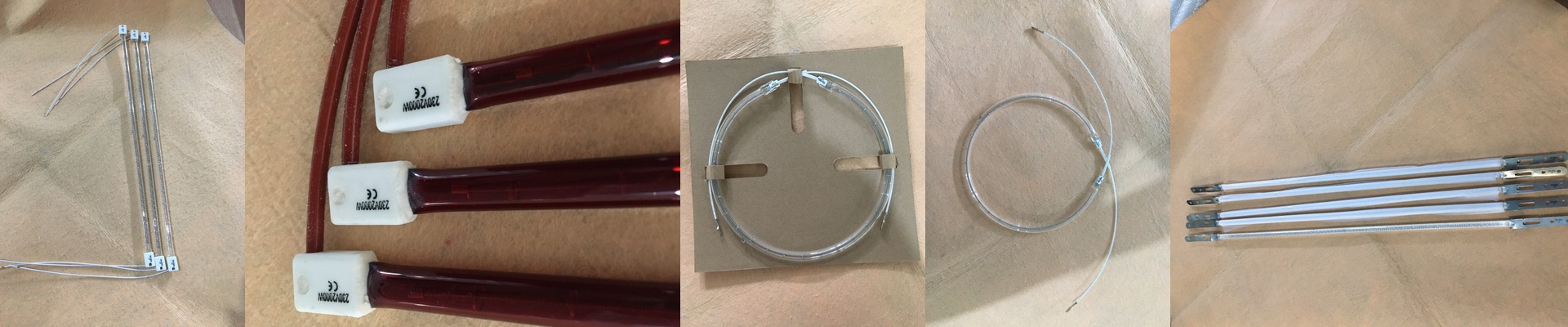
Better Brinsea Replacement Lamps: Built for the Long Haul
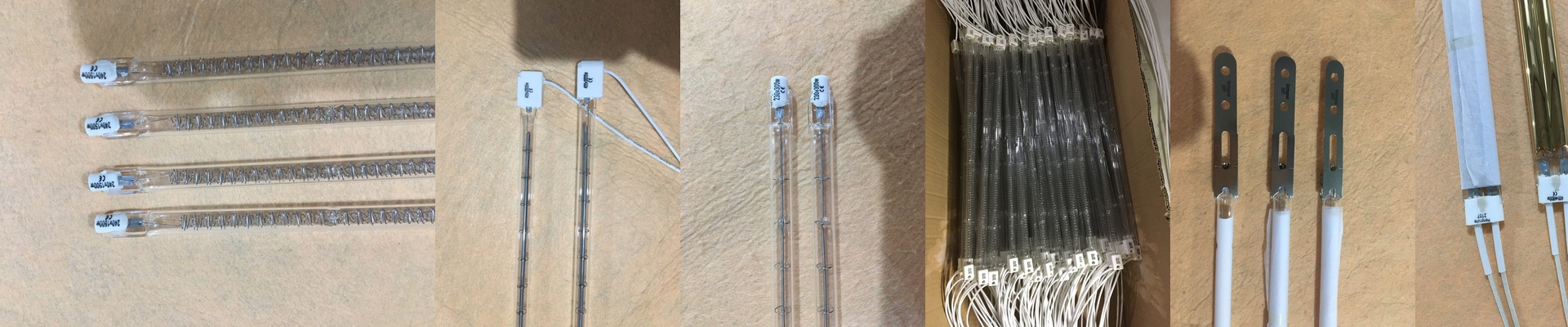
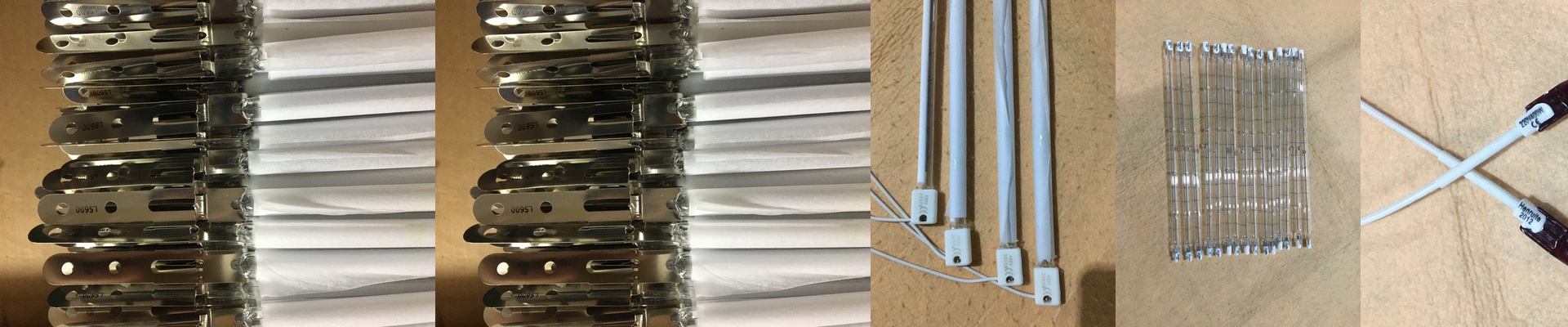
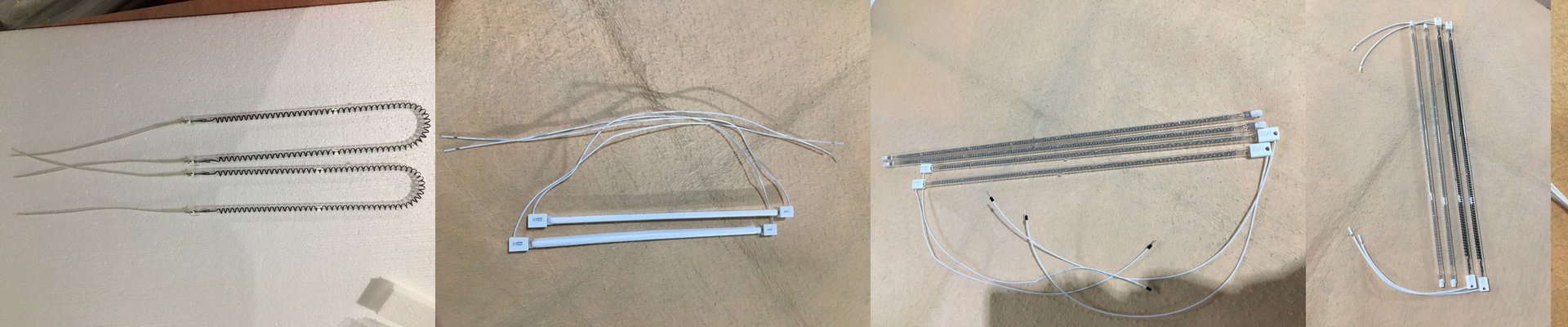
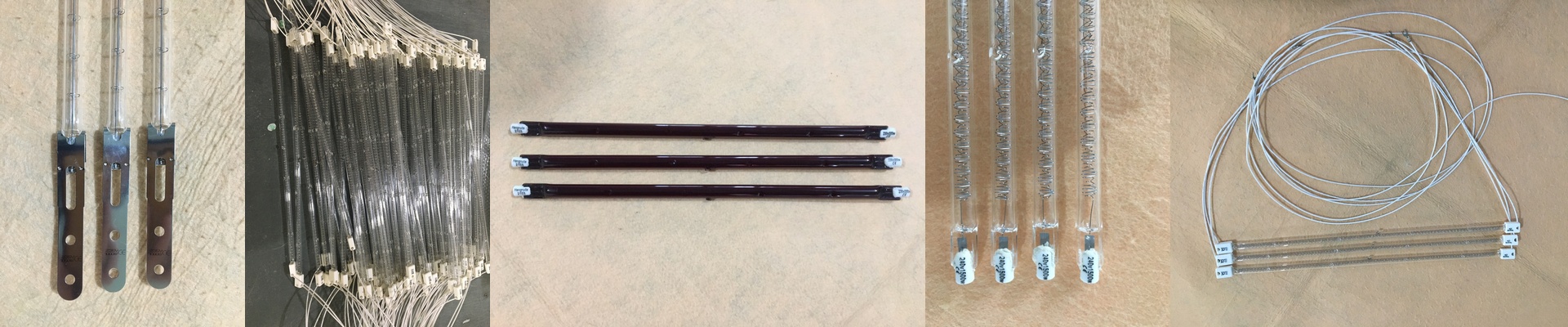
When you’re hatching eggs, the last thing you want to worry about is your heating lamp quitting on you. That’s why we didn’t just make “another bulb.” We built these specifically to handle the weird, humid, constant-cycling environment of a Brinsea incubator. The battle against rust Here’s the thing about most lamps: they usually die at the connection point. In a humid incubator, moisture gets into the wires, they oxidize, and then they arc and burn out long before the bulb actually wears out. It’s frustrating. We fixed that. We switched to corrosion-resistant wiring and a tighter, airtight seal. This keeps the halogen gas where it belongs and keeps the connections clean. Basically, the wires won’t rot away while you’re relying on them. A perfect fit, every time You just pop these in and they work. We made sure the wattage and voltage match the original specs exactly, so you don’t have to worry about frying your control board. We also paid a lot of attention to the quartz glass. If the heat isn’t spread evenly, you get “hot spots,” and that’s a disaster for embryos. Our tubes are cut to a strict size so they sit snugly in the housing—no wiggling, no gaps. What this means for you You get a lamp that can handle the constant clicking on and off of a thermostat without the glass cracking. We reinforced the end caps to stop leaks, so it just stays steady. One quick tip: keep your ventilation clear. Even the toughest lamp can’t fight a blocked vent. If air can’t move, heat builds up around the socket and eats away at the wires. Just plug it in, set your temperature, and let the lamp do the heavy lifting.