Stop Heating the Ceiling and Start Heating Your Birds
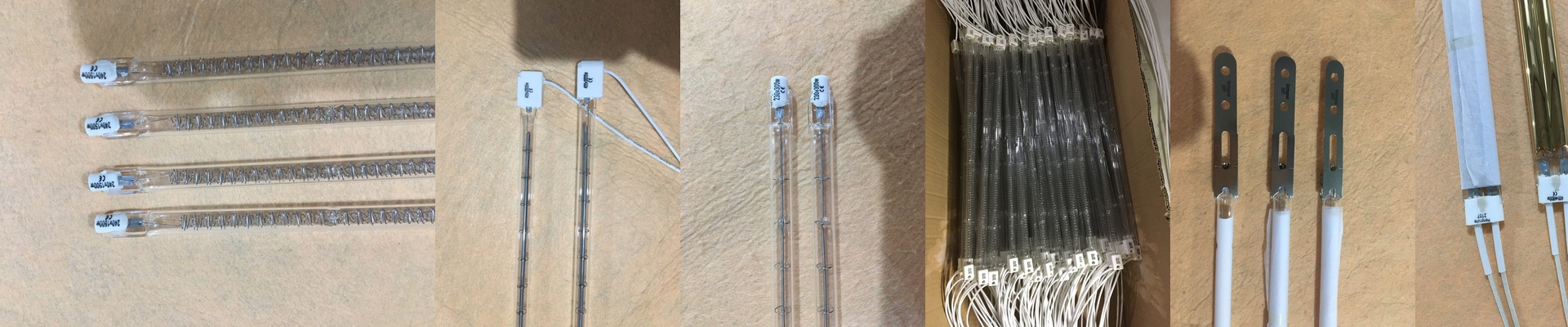
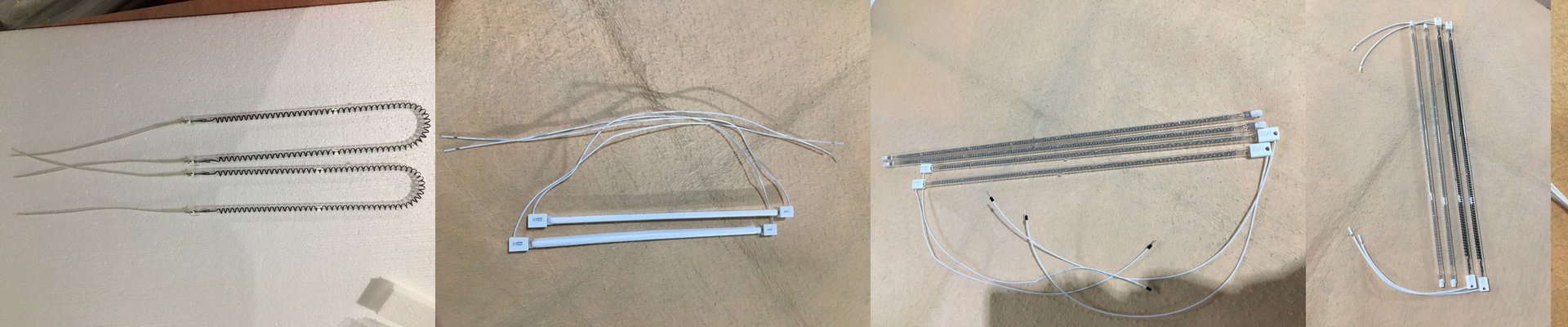
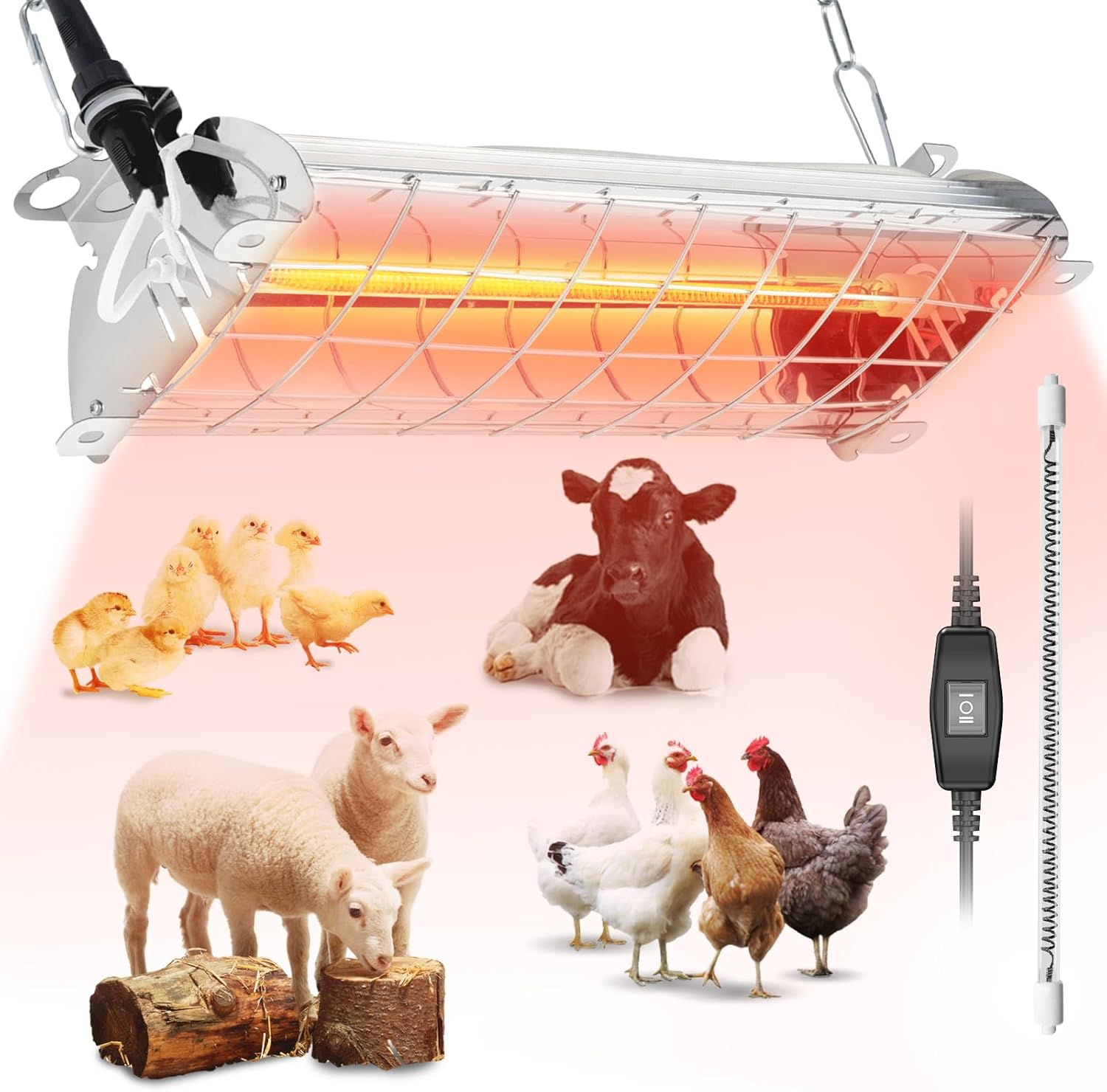
If you run a large poultry operation, you know the drill. You spend a fortune on heating, but half that heat just floats up to the ceiling where it does absolutely nothing for your birds. It’s a waste of money, plain and simple. Most farms stick with forced-air systems, but that’s like trying to warm up a room by blowing a fan on a heater. Our shortwave infrared (IR) lamps do things differently. Instead of fighting the air, they send heat straight to the birds and the bedding.
The Science (Without the Boring Part)
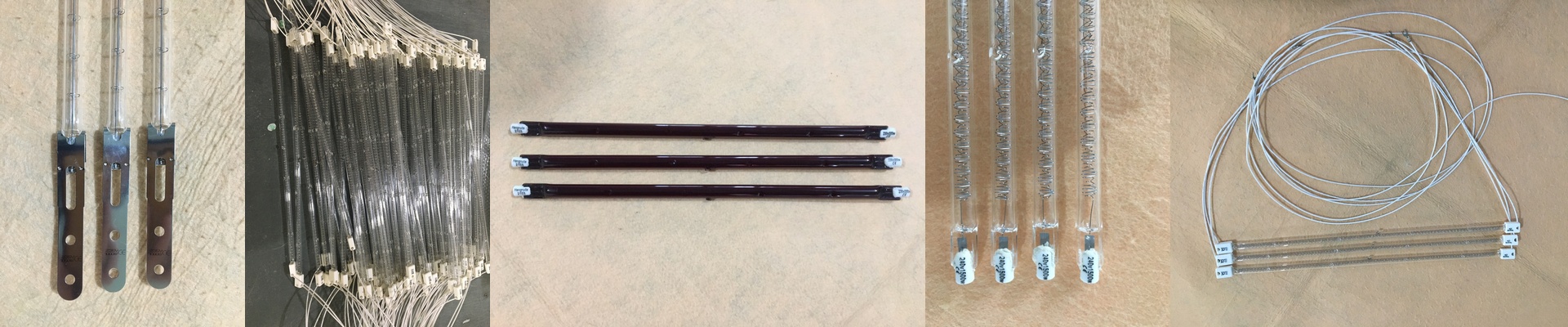
Here is the thing: shortwave radiation actually penetrates. It gets deep into the feathers and warms the floor. This creates a cozy little “heat zone” right where the birds are. You don’t have to sweat over keeping the entire barn at 30°C when the chicks have a direct source of warmth right above them. And since we know rural power grids can be a nightmare, we built these tubes to handle those annoying voltage swings. We use high-wattage quartz elements so the heat is instant. No waiting around for things to warm up. When the thermostat clicks, the warmth is there. Period.
Built for the Real World
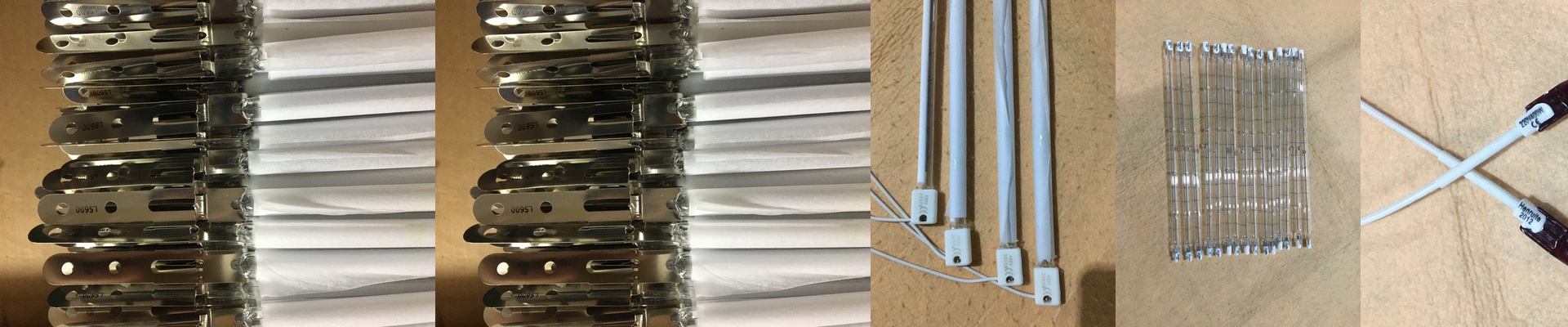
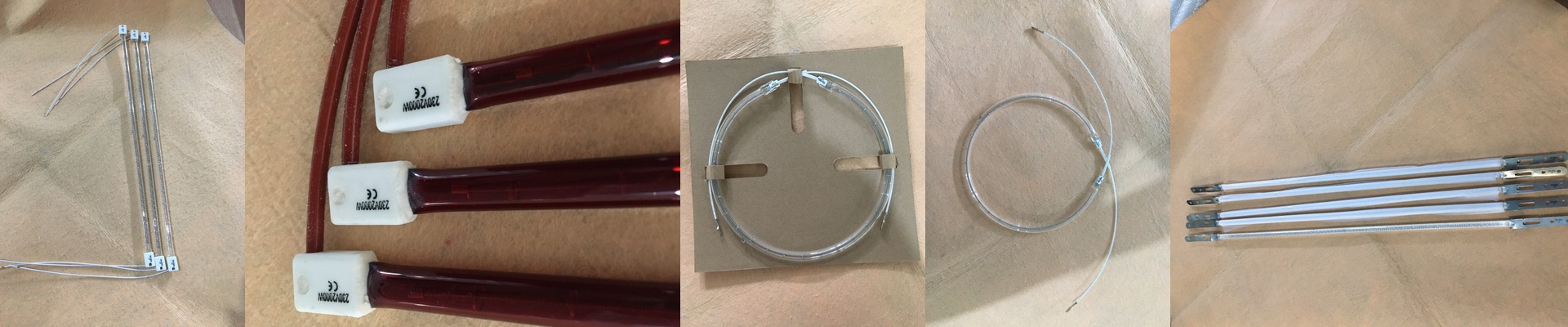
We didn’t design these for a lab; we designed them for the shop floor. The quartz glass is heavy-duty, so it won’t just burn out the second you put it through a few cycles. Plus, we made the connectors simple. If a lamp goes dead, you just pull it out and pop a new one in. No need to spend your afternoon rewiring the whole rig. One heads-up, though: these things are powerful.Really powerful. You have to get your mounting heights right. If you hang them too low, you’ll scorch the bedding or stress out the birds. Just give them some breathing room and you’re good to go.
The Bottom Line
When you stop relying on convection and switch to radiation, your primary boilers can finally take a break. We’ve seen heating bills drop significantly because you’re no longer paying to heat air that just leaks out through the vents. It’s a simple shift, but it means you’re spending way fewer kilowatt-hours per bird. Your wallet will feel the difference pretty quickly.