Stopping the Summer Sweat in Dieffenbacher Heating Lines
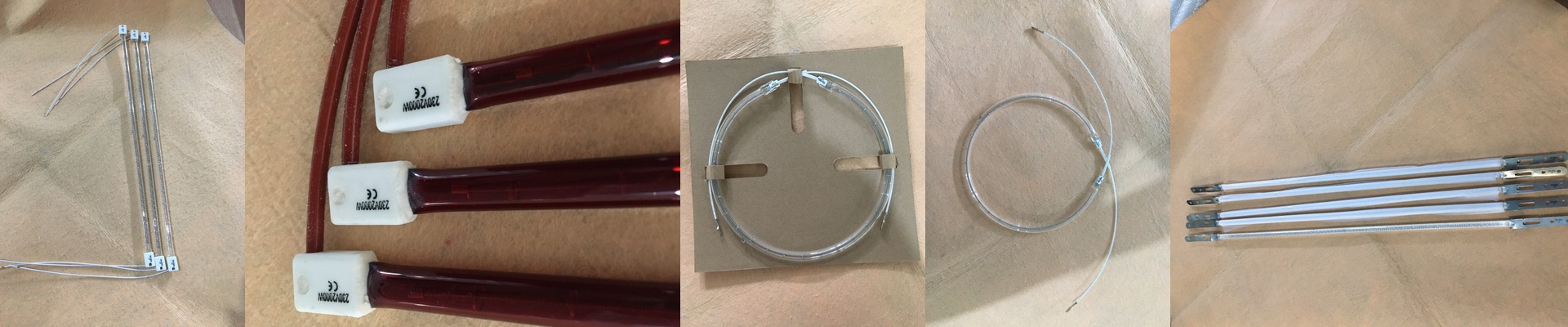
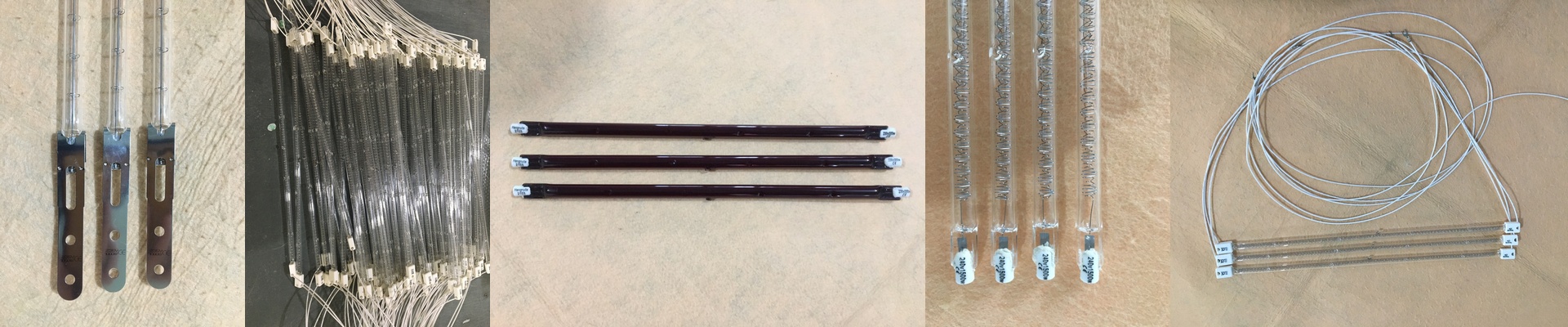
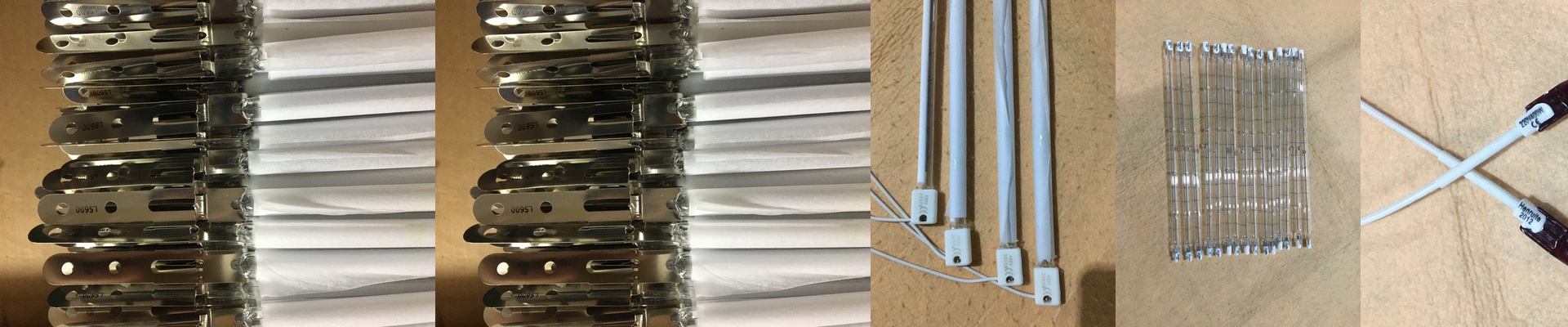
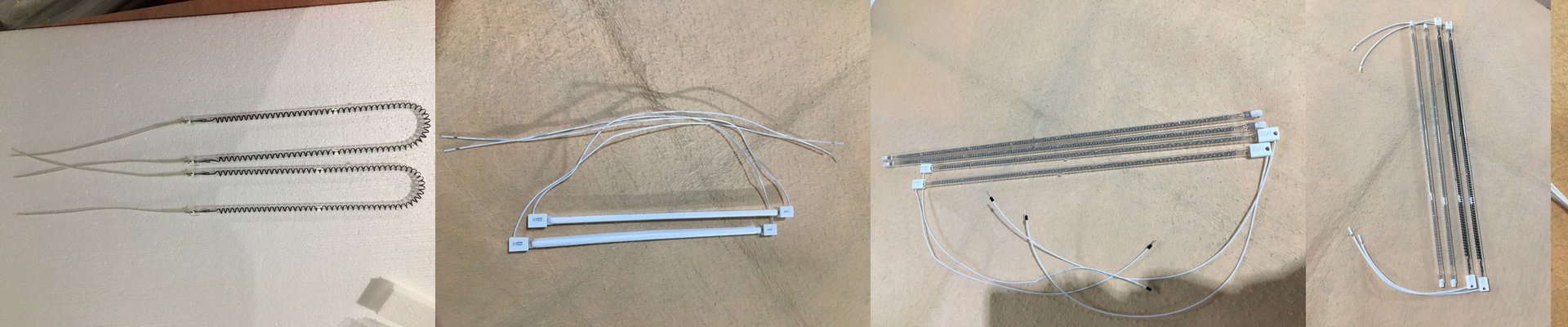
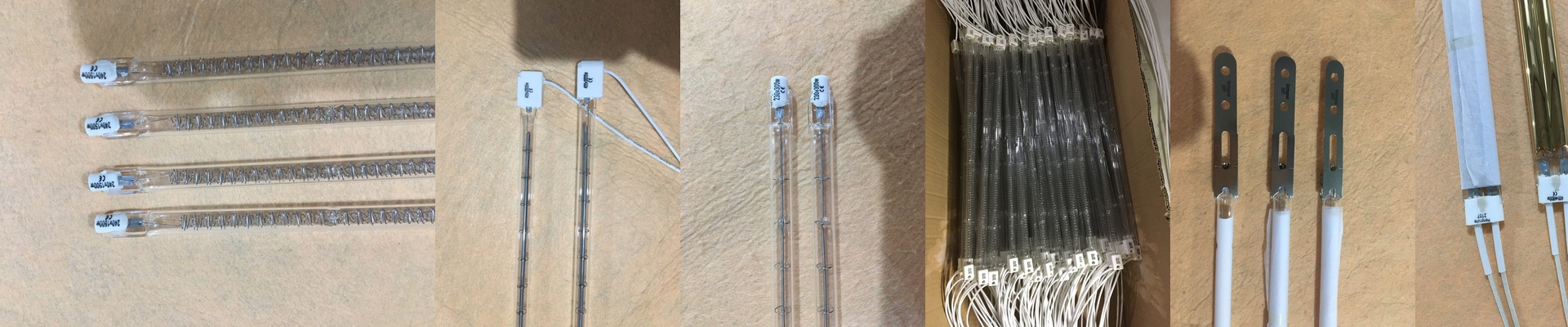
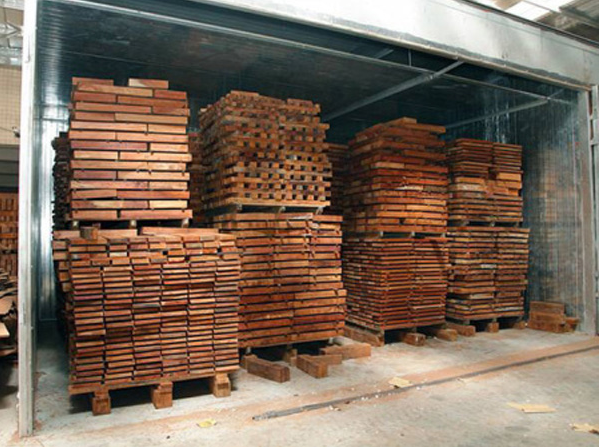
Let’s be honest: heating wood boards takes a ton of energy. And in a lot of Dieffenbacher lines, that energy doesn’t just go into the wood—it leaks everywhere. If you’ve ever walked into a production hall in July, you know exactly what I mean. It feels like a sauna. You end up cranking the HVAC to the max just to keep people from fainting, which is basically like paying for heat and then paying again to get rid of it. We’ve found a better way to handle this by switching over to directional infrared (IR) heating. How it actually works Most heaters try to warm up the air to get the product hot. That’s the problem. IR lamps are different. They send out electromagnetic radiation that travels in a straight shot until it hits the board. The heat doesn’t hang around in the air. It goes straight into the wood fibers. Because the energy is focused, you stop that “waste heat” from drifting up toward the ceiling or baking your operators. Getting the temperature right The cool part is how you can target specific areas. Say the edges of your boards aren’t getting hot enough. Instead of turning up the heat for the entire line—which just makes the room hotter—you just tweak the IR array to hit those specific spots. Your workers stay cooler. Your machinery doesn’t get soaked in unnecessary heat. Everyone wins. The catch Now, IR is fast. Really fast. But that speed can be a problem if your boards have different thicknesses or moisture levels. If your stock is inconsistent, you might scorch the surface before the core even gets warm. To avoid that, you’ll need a tight feedback loop with your sensors to keep the power in check. It’s a small trade-off for a much better place to work. You put the heat where the wood is, not where the people are. It’s a simple logic shift that kills that brutal summer heat spike in the plant.