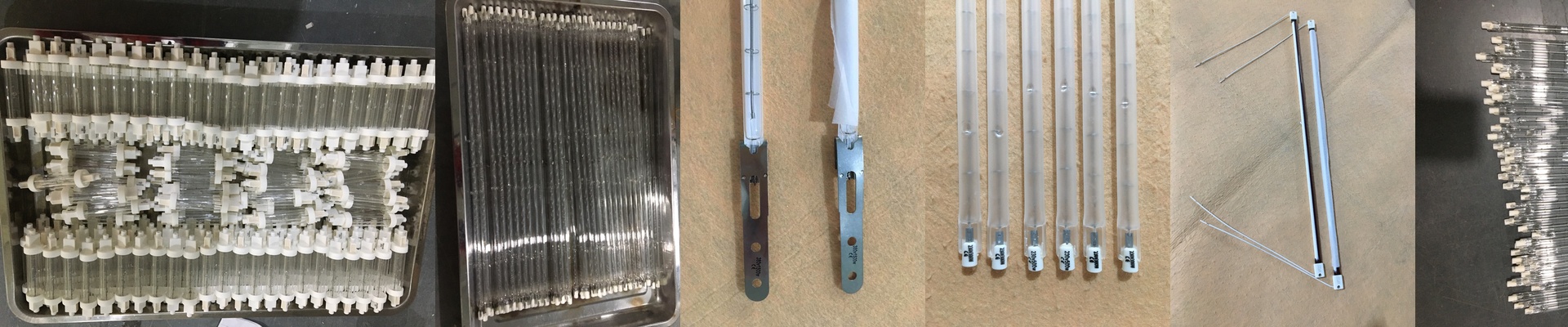
The Lowdown on Ruby Outdoor Halogen Heaters
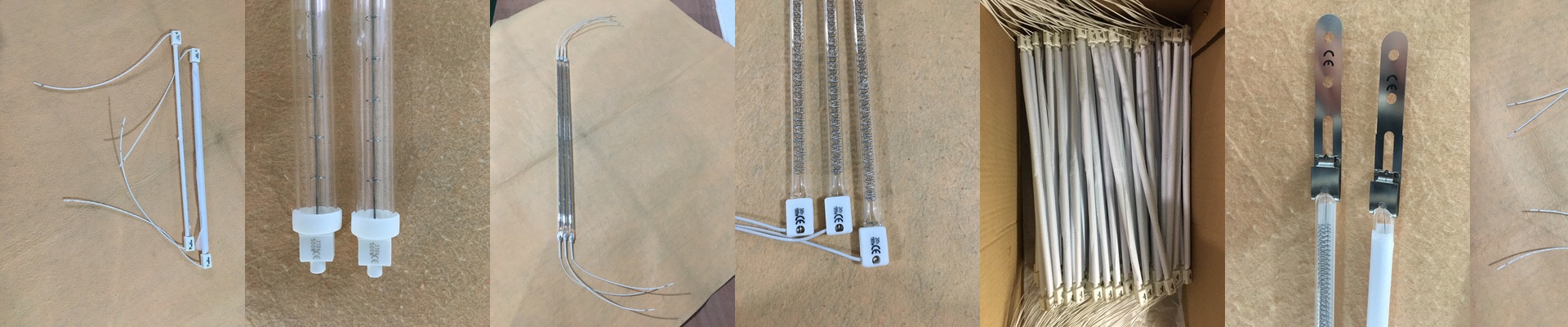
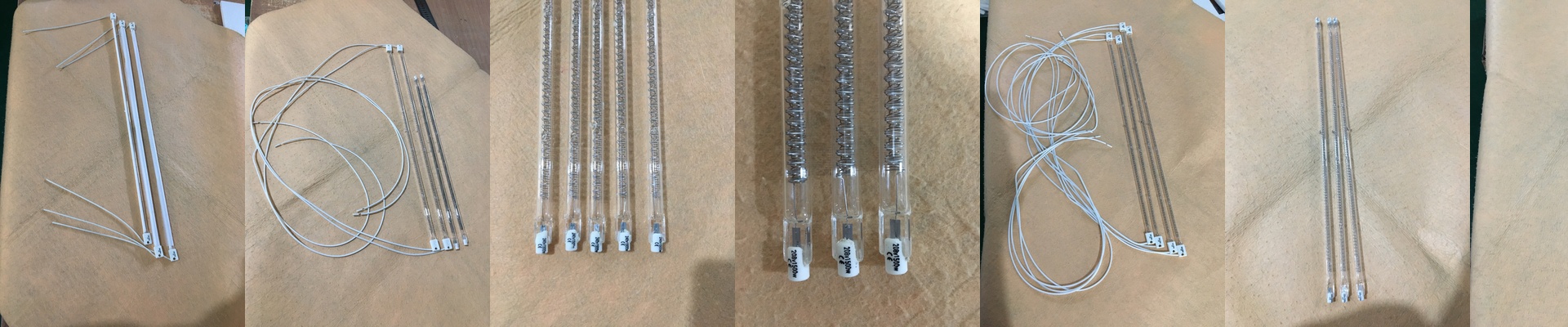
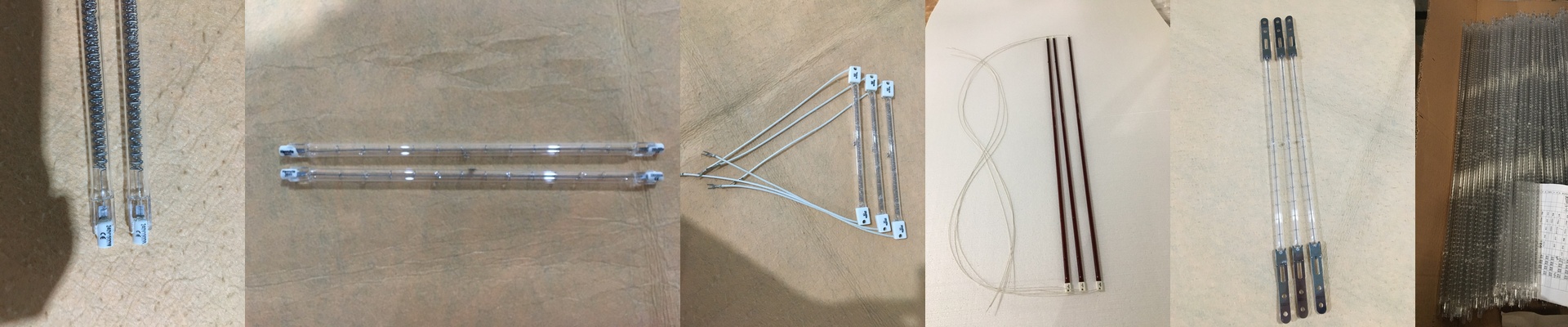
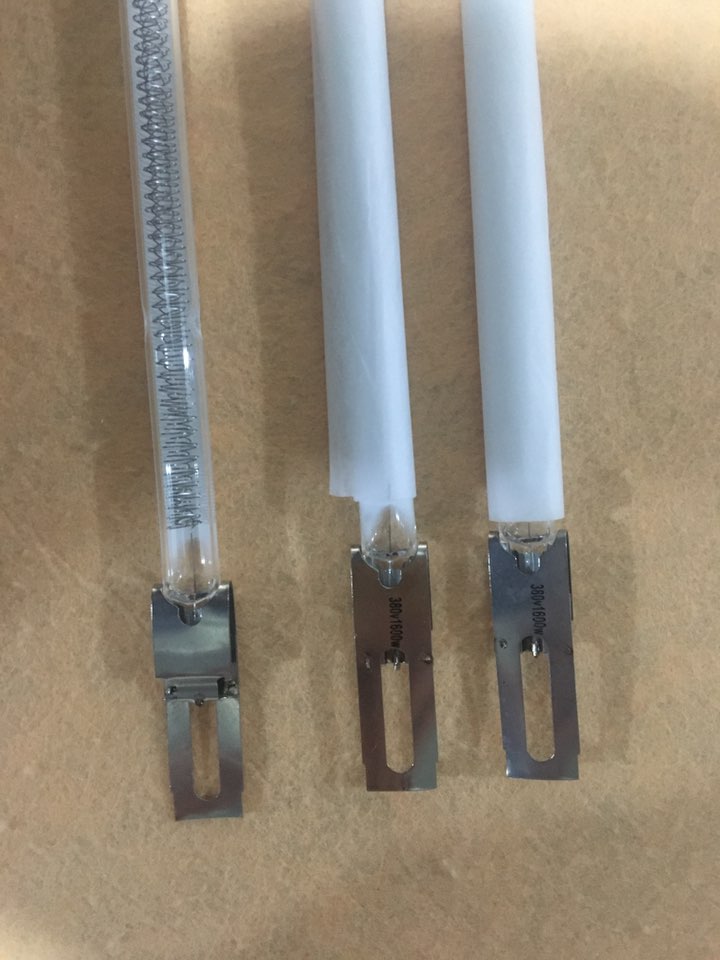
Here is the thing about Ruby heaters: they don’t mess around with warming up the air. Instead, they use shortwave infrared tech to send heat straight to whatever—or whoever—is standing in front of them. It’s instant. You flip the switch, and you feel it immediately. We build these specifically for those spots where you can’t afford to wait around for the temperature to climb. Getting the Power Right When we’re picking the tubes, it all comes down to your power grid. We look at the wattage and voltage to make sure everything plays nice together. If the voltage is higher, we can go with a longer tube without worrying about the wiring getting too hot. But you’ve got to be precise with the wattage. If you go too high, you’ll fry the filament. Too low? You’ll be shivering. It’s a bit of a balancing act, but it’s what keeps the heater running long-term. What’s Under the Hood? Inside, there’s a tungsten filament tucked away in a high-purity quartz envelope. We add halogen gas in there because it does something clever: it pushes evaporated tungsten back onto the filament. It’s a simple trick that makes the lamp last a lot longer. As for the connectors, we usually stick with R7s or Sk15. They just slide right into most industrial housings. We make sure the fit is tight, too. Why? Because a loose connection is a disaster waiting to happen—it creates sparks that can literally melt your socket. Real-World Use (and a few warnings) You’ll see these everywhere from cozy patio setups to heavy-duty industrial drying lines. That instant heat is great, but it does come with a trade-off. The heat zone is pretty narrow. If you don’t space your heaters out just right, you’ll end up with “cold spots” where people are still freezing. One last tip: remember that quartz is basically glass. It’s fragile. If you’re installing these in a place that shakes or vibrates a lot, please use dampened mounts. Otherwise, those tubes are just going to snap.