Getting the Heat Right: A No-Nonsense Look at Poultry IR Lamps
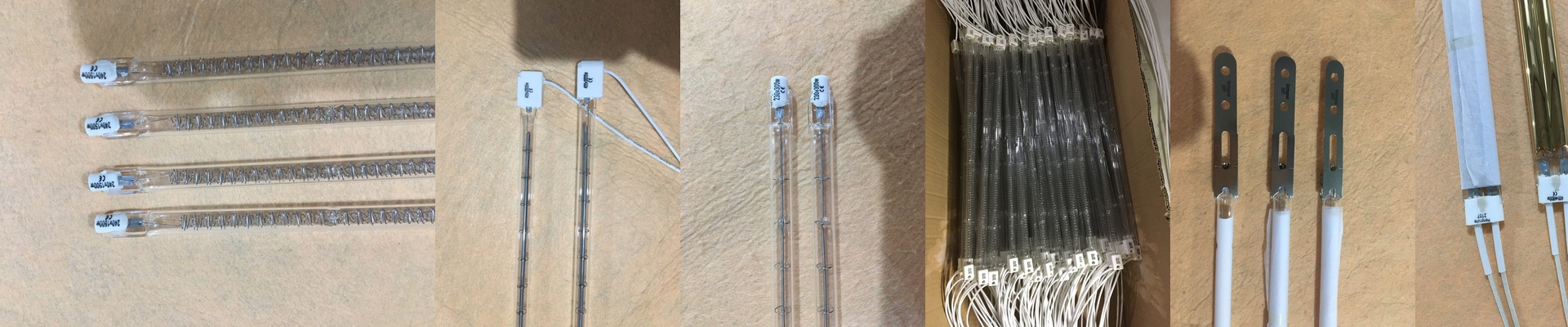
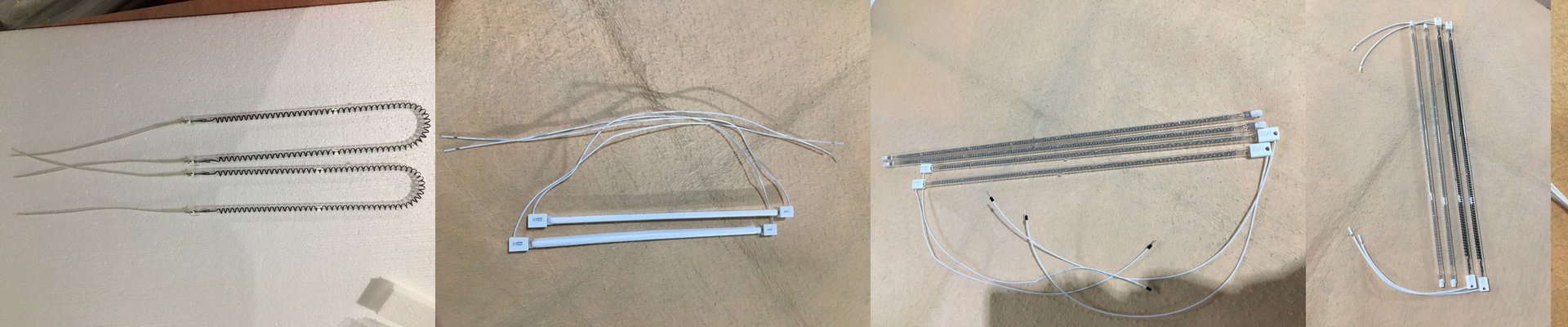
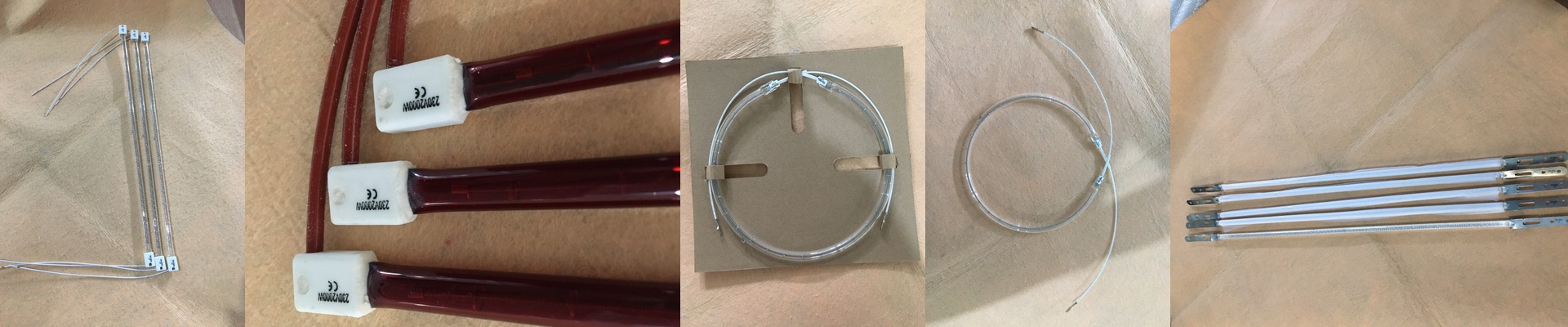
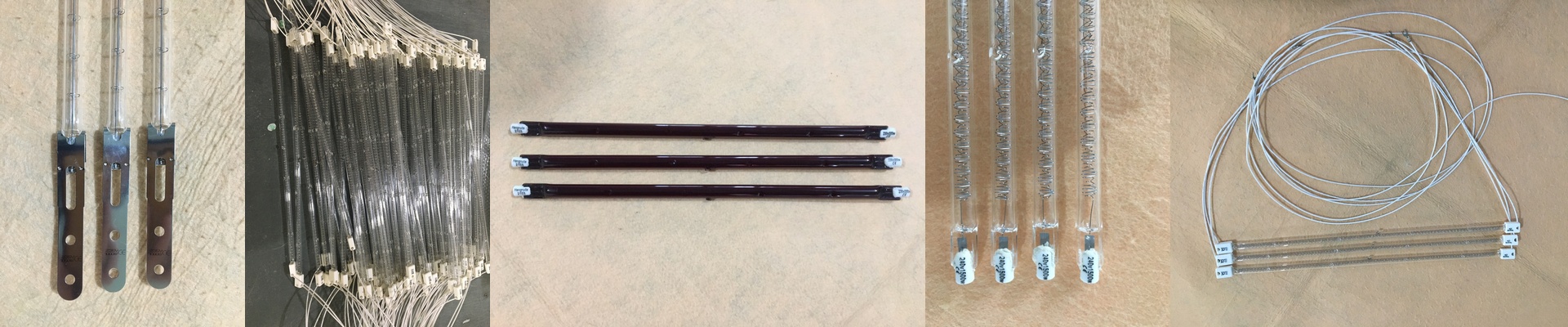
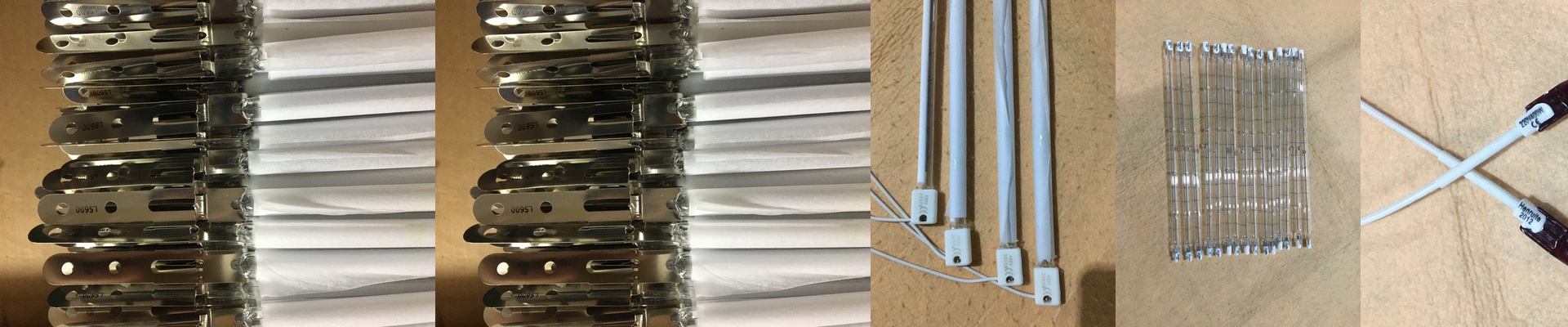
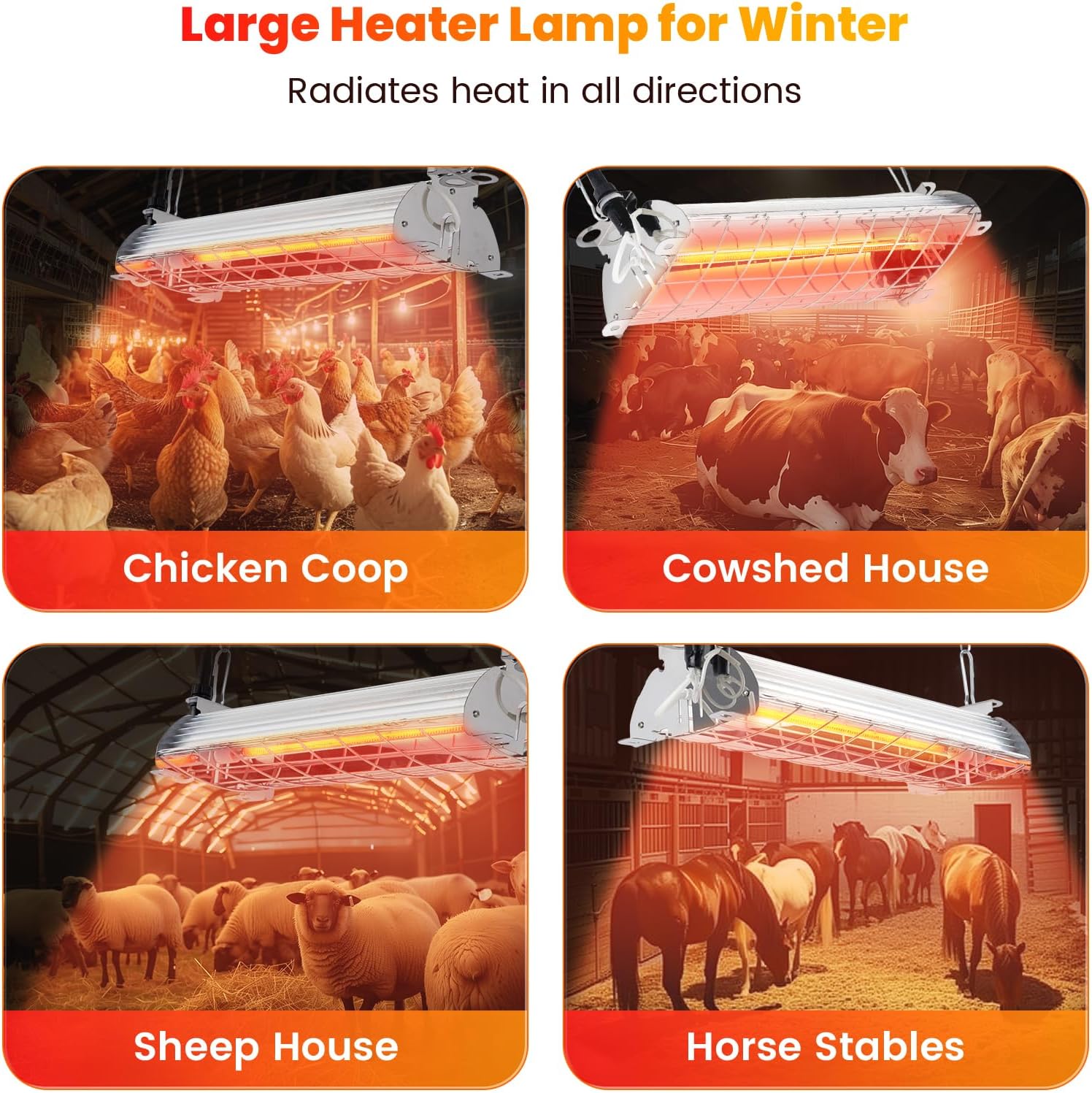
When you’re picking a heating system for your birds, you’re usually stuck in a tug-of-war. You don’t want to blow your entire budget on equipment day one, but you also can’t afford to watch your profits vanish into a massive monthly electricity bill. We design our infrared (IR) lamps to sit right in the middle. They’re affordable enough to keep your margins healthy, but efficient enough that you aren’t throwing money away. Why radiant heat actually works Think about those old forced-air systems. They try to heat every single cubic inch of the barn, which is basically like trying to heat the outdoors. You’re paying to warm the air, only for it to leak out through a gap in the ceiling or a vent. Our lamps do things differently. They use radiant heat, which means the energy goes straight to the chicks. The air stays where it is; the birds get warm. We use high-purity quartz glass to make sure that heat actually hits the target. It’s a simpler way of doing things, and it keeps your power bill from spiking. Built for the grit of a real farm Let’s be honest: barns are dusty, humid, and generally tough on gear. We build our lamps to take a beating. We put reinforced seals at the connection points so moisture doesn’t sneak in and fry the filament. Plus, we offer a few different wattage options. That way, you can pick the one that fits your current wiring without having to rewire the whole place. But here’s a quick reality check. High-wattage lamps put out a lot of heat in a small area. If you hang them too low or use wiring that can’t handle the load, you’re looking at burnt-out sockets or, worse, stressed-out birds. You’ve got to get the height just right based on the lamp you’re using. The “Cheap Lamp” Trap It’s tempting to go with the cheapest imports. On a spec sheet, they look identical to ours. But here’s the catch: those low-grade filaments fade fast. They start strong, but after a few hundred hours, the heat output just drops off. You end up replacing bulbs every few months, which is a pain in the neck and a waste of labor. Our lamps hold their heat over the long haul. You might pay a bit more upfront, but you aren’t climbing ladders every few weeks to swap out dead bulbs. It keeps the temperature steady and keeps your brood stock safe. That’s the kind of peace of mind that actually pays for itself.