Heating Your Barn Without Burning a Hole in Your Pocket
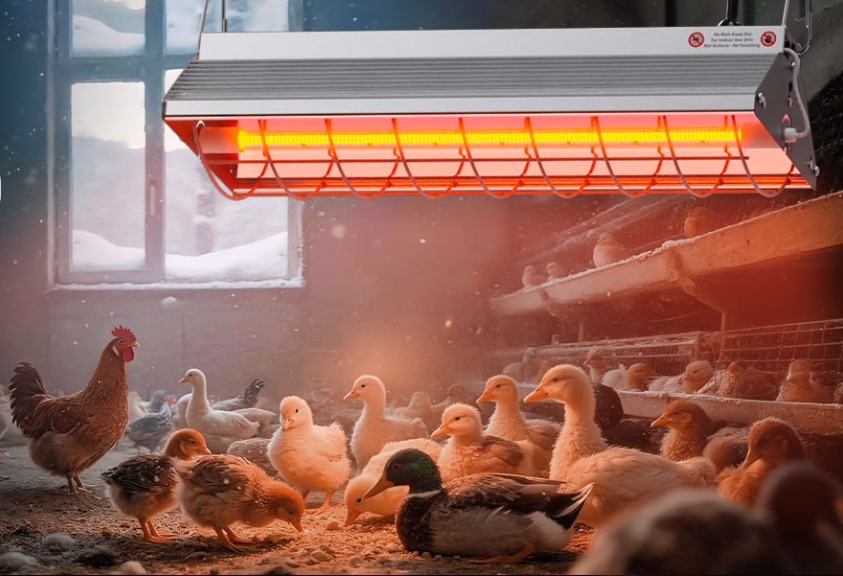
Let’s be honest: heating a commercial barn is a nightmare. You’ve got these massive ceilings, and if you try to heat the air, you’re basically just paying to warm up the roof. The animals stay cold, the floor stays freezing, and your electric bill skyrockets. We decided to stop fighting the air and just ignore it. Our infrared lamps don’t bother with the atmosphere. They send heat straight to where it actually matters—the animals or the equipment. It’s immediate. You feel it the second you step under the beam.
How it actually works
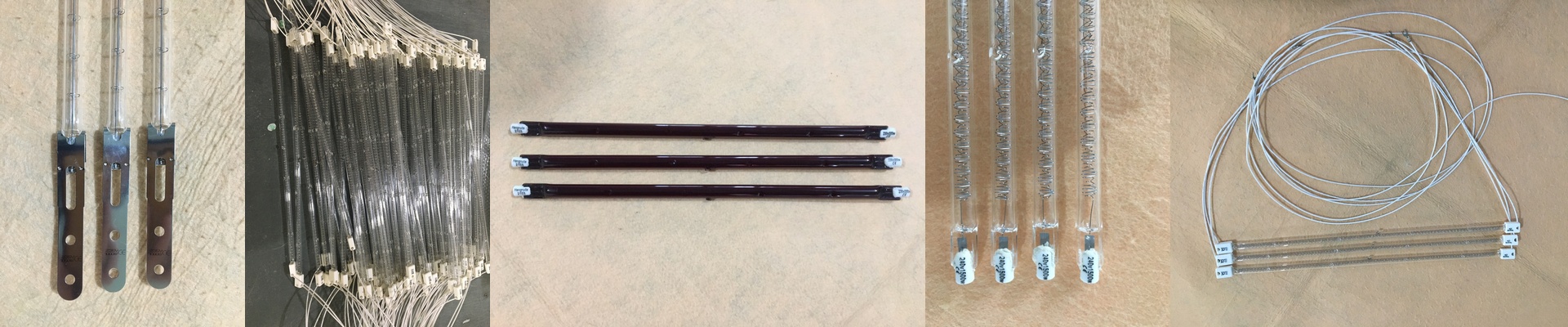
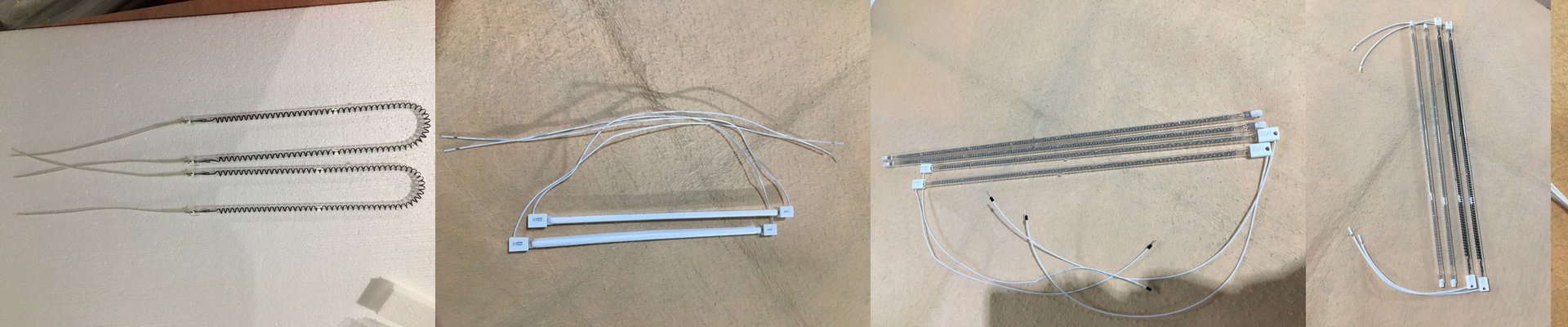
Most people make the mistake of relying on convection. But heat rises. Always. That’s why your feet are cold while the ceiling is roasting. We use shortwave radiation to skip the middleman. The heat jumps from the lamp to the target instantly. And here is the best part: we make these things ourselves. We build the tubes, assemble the housings, and ship them out the door. No distributors, no fancy markups, and no corporate layers. We just keep it simple so we can keep the price down for you.
Picking the right gear
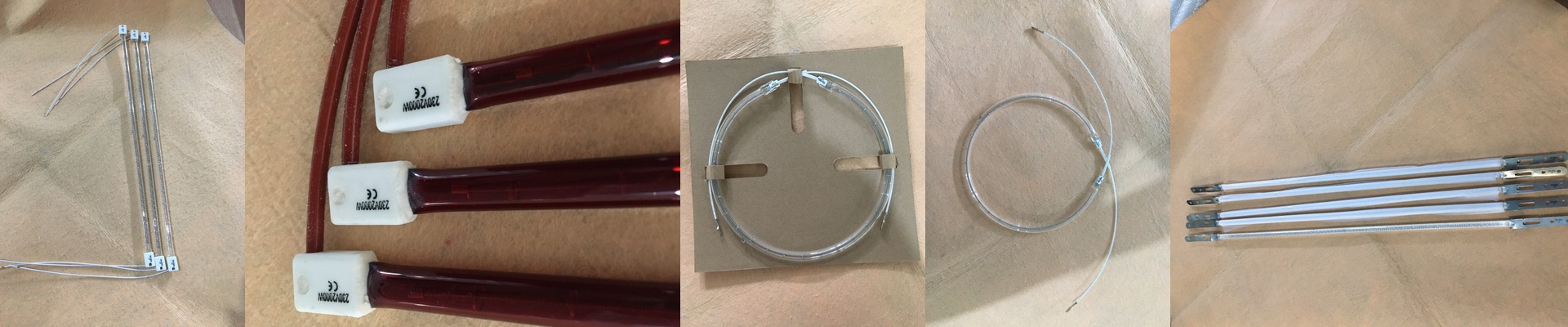
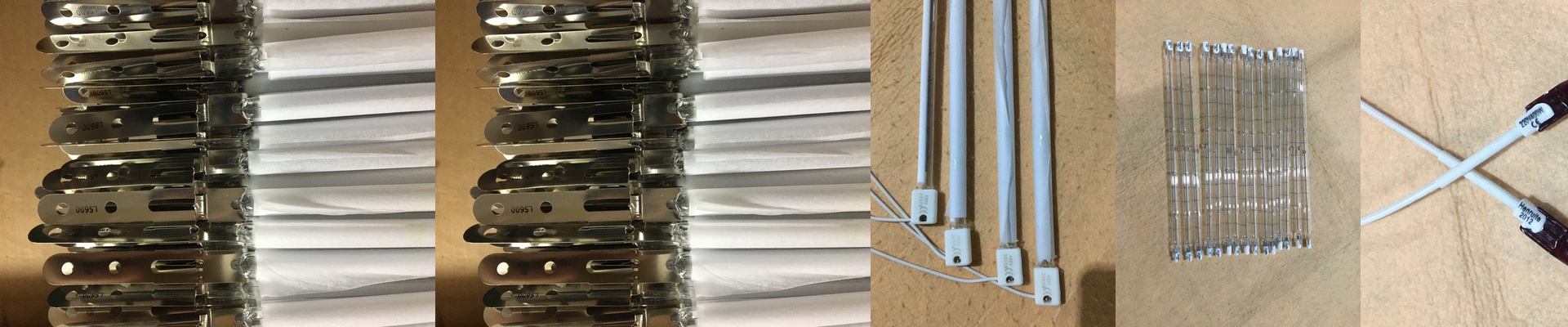
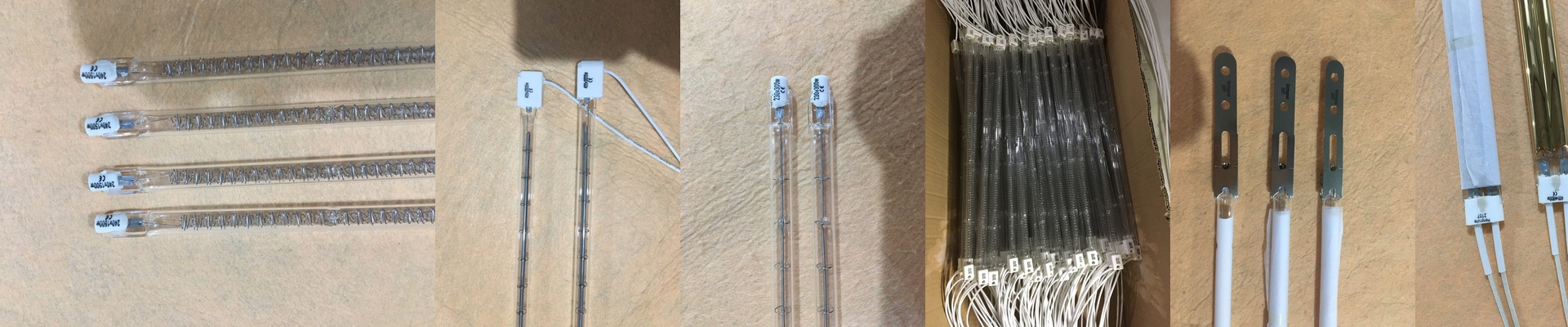
When you’re looking at hardware, don’t get distracted by the fluff. Look at the wattage per linear inch. If you put a weak lamp in a drafty barn, you’re just wasting money. You need something with high-density filaments—stuff that can take a beating in a dusty, harsh farm environment without giving up. Also, check your grid. If you’re running a 400V industrial line, you need tubes that can handle that load without popping a circuit breaker every ten minutes. We use quartz glass for the envelopes because it lets the heat punch through the air without getting soaked up along the way.
A word of caution: Power vs. Safety
Now, these lamps pack a serious punch. When you’re dealing with high wattage, you’re dealing with intense heat. You can’t just hang these anywhere and hope for the best. If you mount them too low, you’re looking at scorched surfaces or, worse, a fire. It’s a balancing act. The more power you cram into a small space, the more breathing room you need around the lamp. We always suggest sitting down and mapping out a strict layout. It’s the only way to make sure everything stays warm and cozy without creating any dangerous hotspots.