Keeping Your Shop from Going Up in Smoke
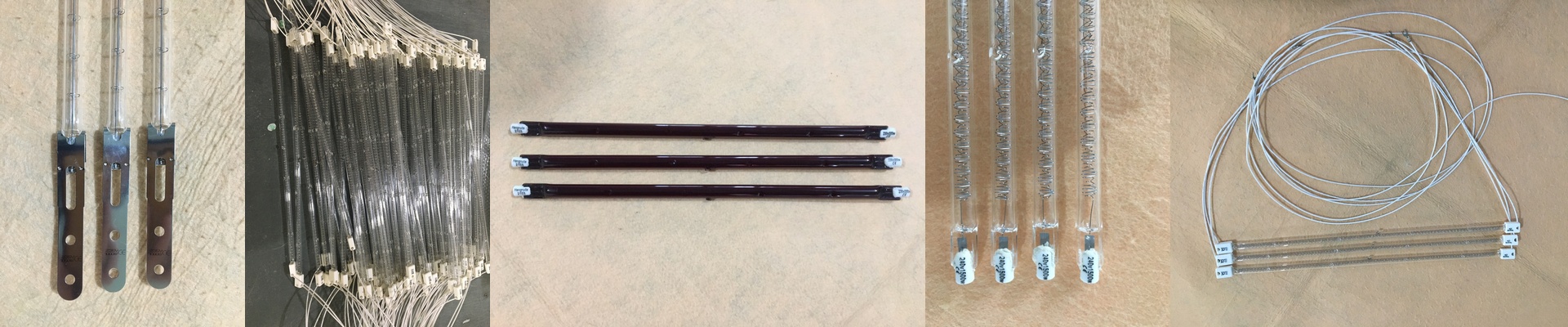
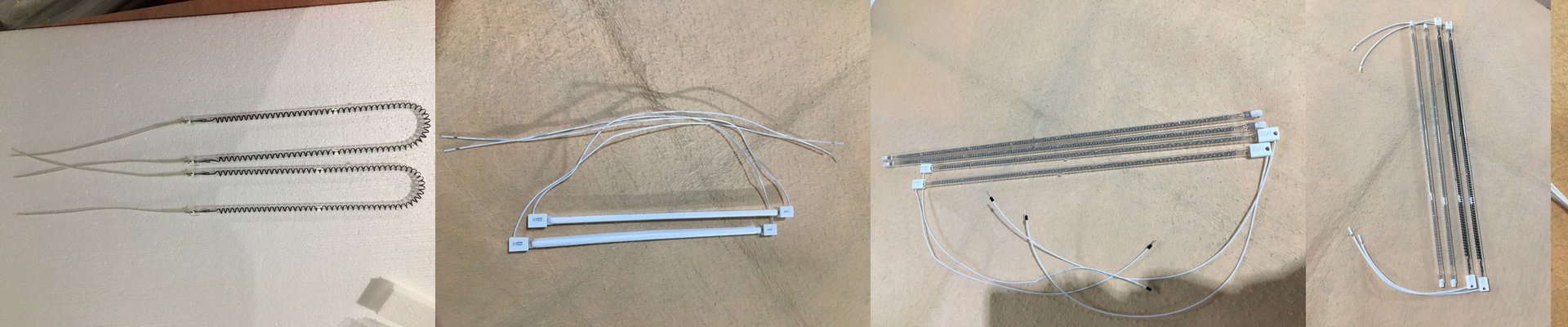
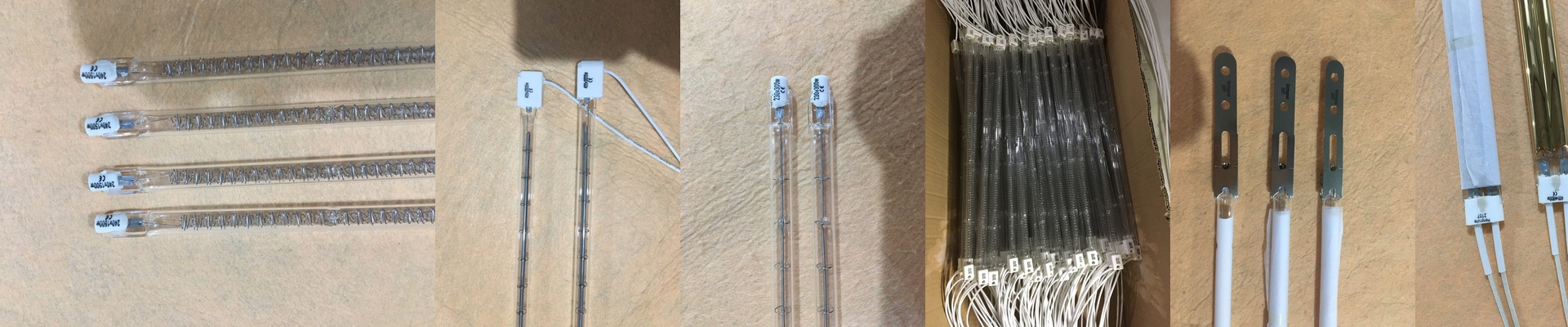
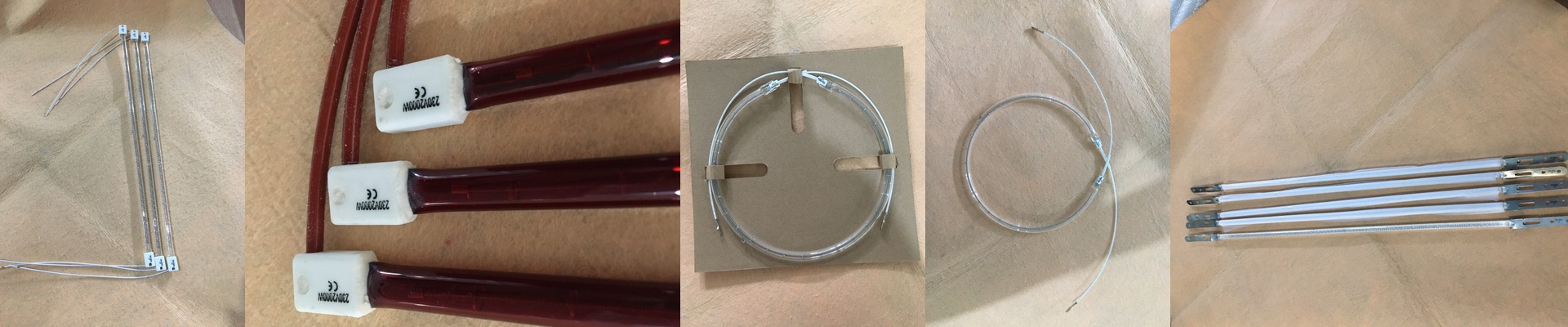
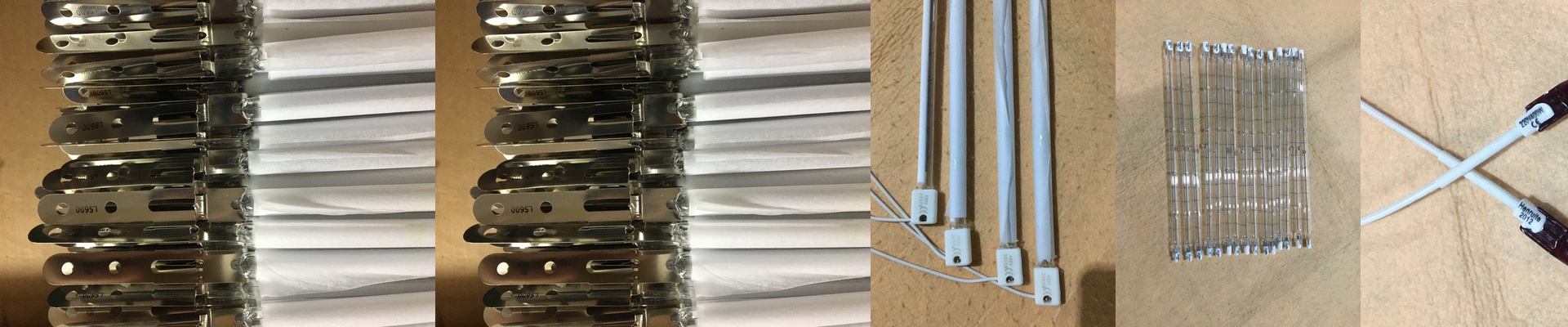
Let’s be honest: woodworking shops are basically powder kegs. Between the fine sawdust and those sticky resin particles, there’s a lot of fuel just hanging in the air or settling on every flat surface. When you throw an infrared heating lamp into that mix, you’re playing with fire—literally. That’s why we don’t just slap a bulb in a housing and call it a day. We build our lamps to keep your shop safe. Dealing with the heat We use shortwave infrared technology. The goal here is simple: we want the heat to hit the material, not the air around it. It stops the machine from feeling like a giant oven. By focusing the energy exactly where it needs to go, the lamp’s outer shell stays at a temperature that won’t start a fire. But look, no amount of engineering can fix a neglected machine. Keep your blow-off systems running. If you let sawdust pile up on the lamp guard, you’re asking for trouble. The nitty-gritty hardware We use reinforced quartz glass and high-temp seals because a cracked tube in a dusty shop is a nightmare waiting to happen. We also obsess over the connectors. They’re tight-fit to stop arcing—those little sparks that happen in vibrating machinery and can easily ignite a cloud of dust. Plus, we’ve tuned the wattage so the lamp heats up fast and cools down just as quickly. The less time that element spends glowing hot, the smaller the window for something to catch fire. The reality check Here’s the thing: high-output lamps are great for fast cycle times, but they push your ventilation to the limit. If you’re cranking up the wattage, you’ve got to make sure your exhaust fans are actually pulling the dust away from the heat zone. And do yourself a favor: check your lamp reflectors once a week. When dust builds up on the mirror, it doesn’t just make the lamp less efficient. It creates a “hot spot.” That’s where the particles you’re trying to clear away actually ignite. Keep it clean. Keep it moving. Stay safe.