Ditching the Coal Boiler for Infrared Heating
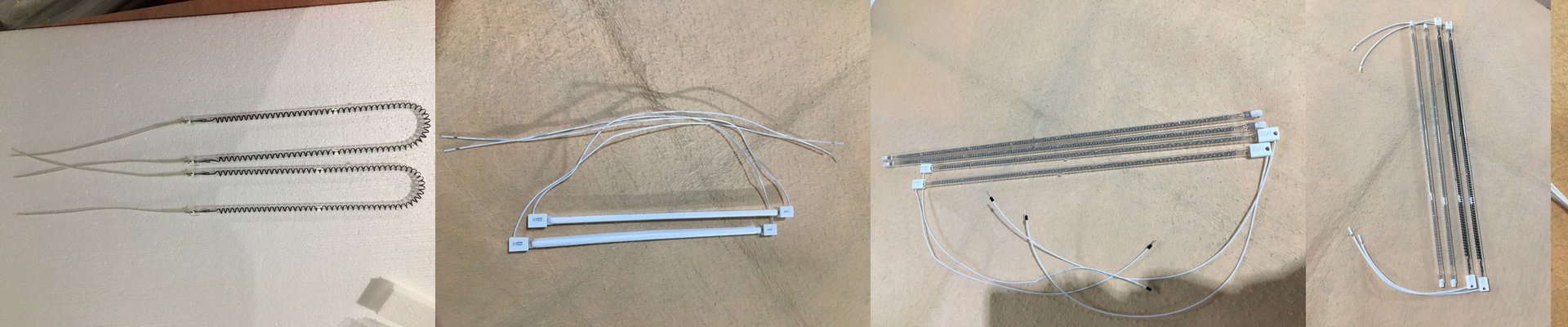
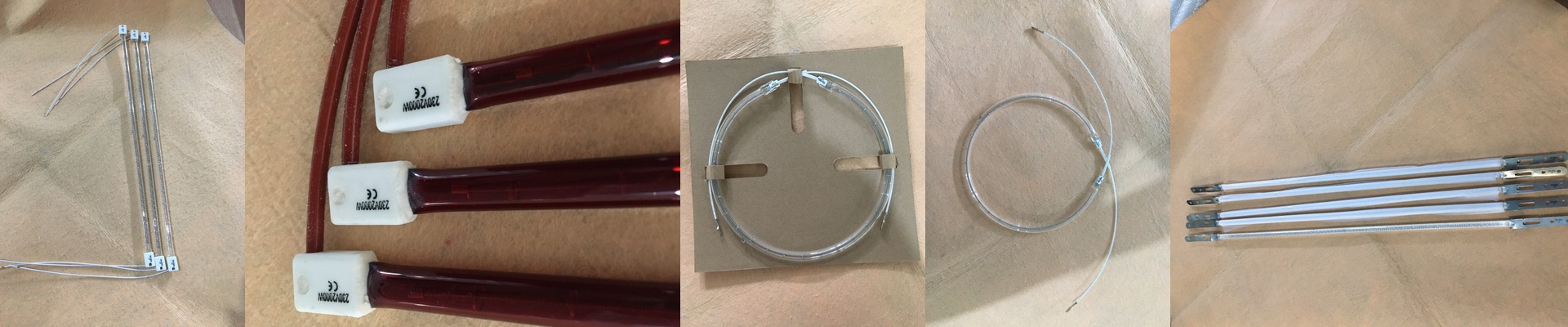
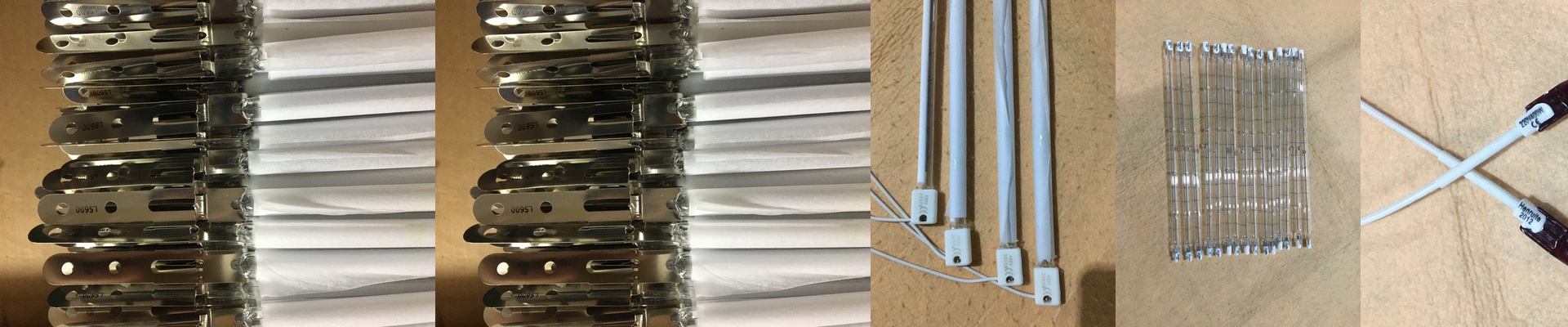
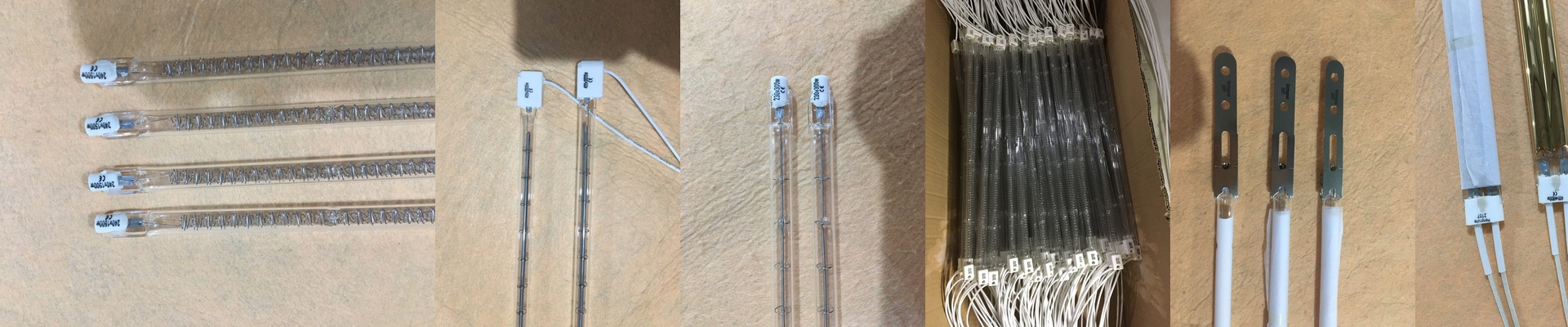
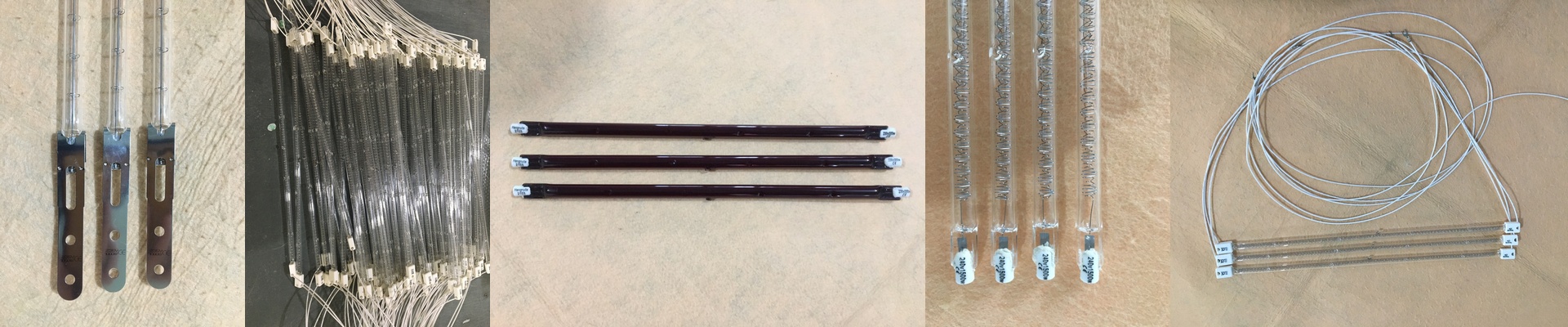
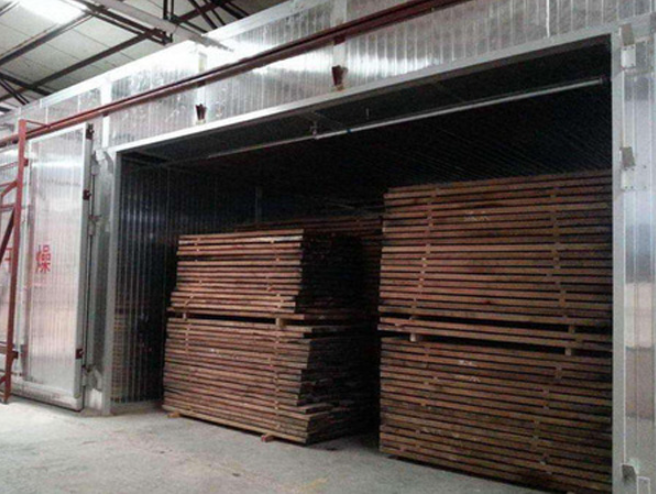
If you’re trying to turn your shop into a “Green Factory,” the first thing that has to go is the coal-fired boiler. It’s messy, it’s old-school, and it takes up way too much space. Instead of messing around with steam pipes and combustion chambers, we’re moving toward short-wave infrared (IR) lamp systems. It cuts out the on-site carbon emissions and honestly? It just clears up a ton of room on your floor. How it actually works Standard boilers basically just heat up the air and hope the moisture leaves the wood. IR is different. It goes after the water molecules inside the fibers directly. We use these high-wattage quartz tubes that send out electromagnetic radiation. This energy sinks into the wood, creating a kind of pressure that pushes the moisture out much faster. The result is a drying cycle that’s way shorter than what you’re used to. Getting the setup right Depending on how big your kiln is, we usually set up arrays of halogen-filled quartz lamps. The big thing here is power density. If you run high-voltage tubes (we’re talking 380V-400V), you can cram more wattage into every millimeter. That means your heater bank can be smaller, but you still get the same heat output you had with the boiler. But you can’t just throw any lamp at any piece of wood. We use special coatings on the quartz to tweak the wavelength. Short-wave is great if you need the surface dry fast. Medium-wave is the way to go for thick hardwoods because it penetrates deeper. If you don’t match the lamp to the wood species, you run into “case-hardening.” That’s when the outside dries too quickly and traps all the moisture inside. Not a good look. The real-world trade-offs Switching to electric IR is a pretty straightforward swap for your heat source, but your power bill and your electrical panel will feel it. You’re going to need a panel that can handle a massive current draw once those lamp arrays kick in. On the bright side, the maintenance is a breeze. No more scrubbing soot or hunting for boiler leaks. If a tube burns out, you just pop it out and put in a new one. Just a heads-up: quartz is fragile. If your conveyors shake too much or a piece of wood debris flies off and hits a tube, it’s going to crack. Make sure your brackets are tight and your shielding is solid, and you’ll be golden.