Getting Wood Drying Right (Without Burning the House Down)
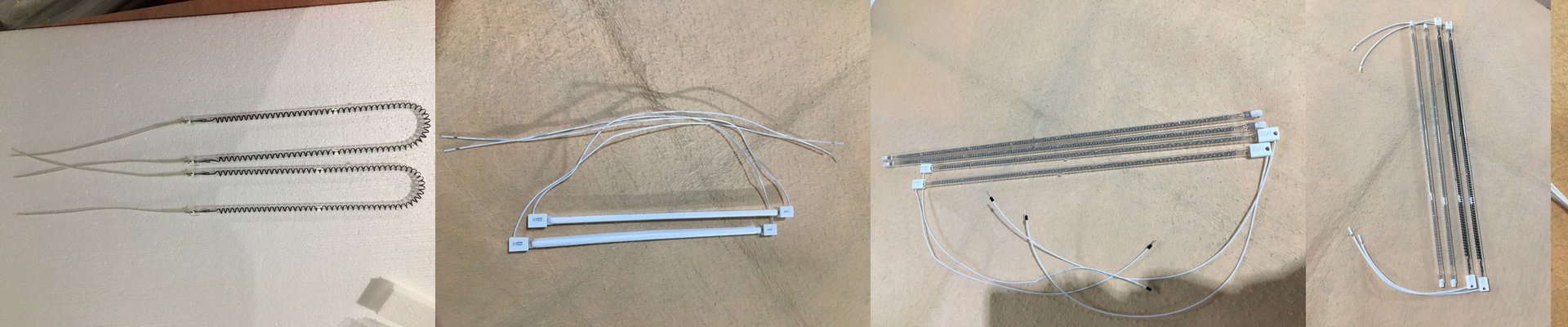
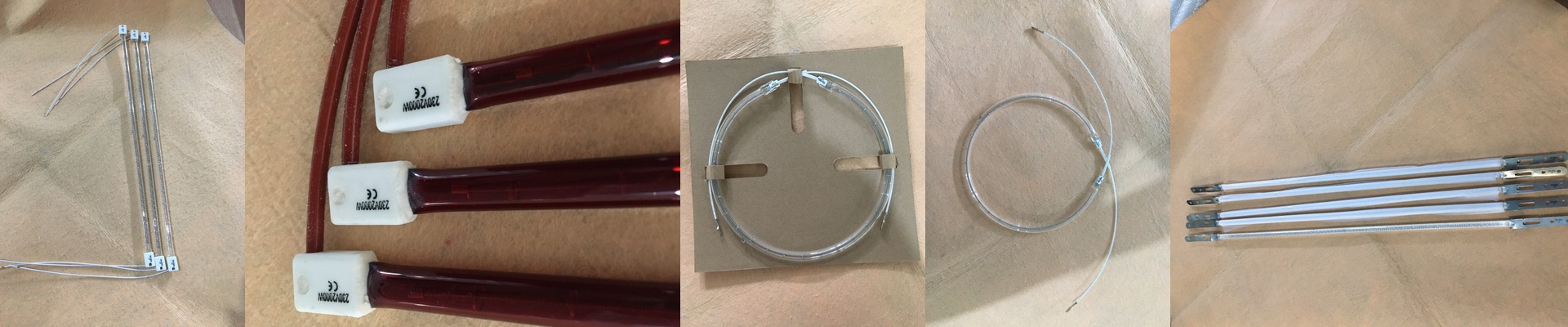
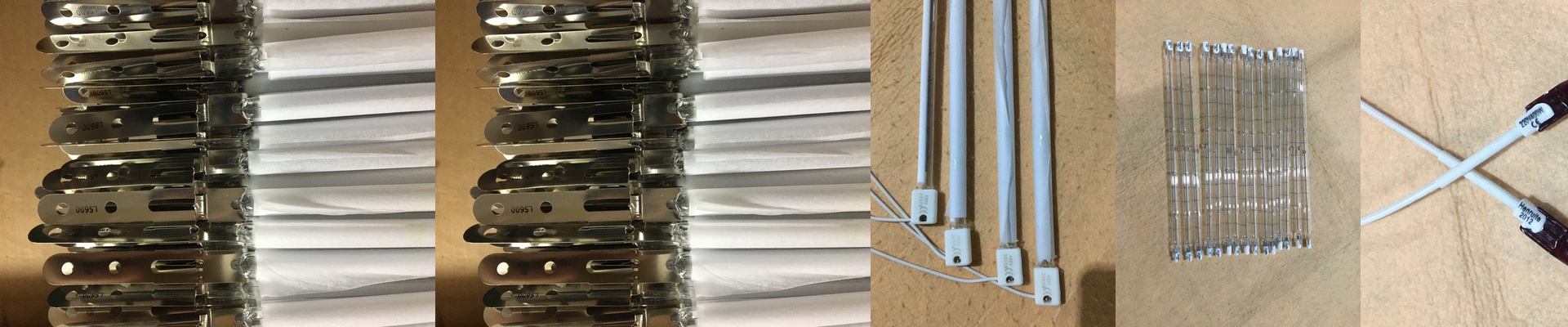
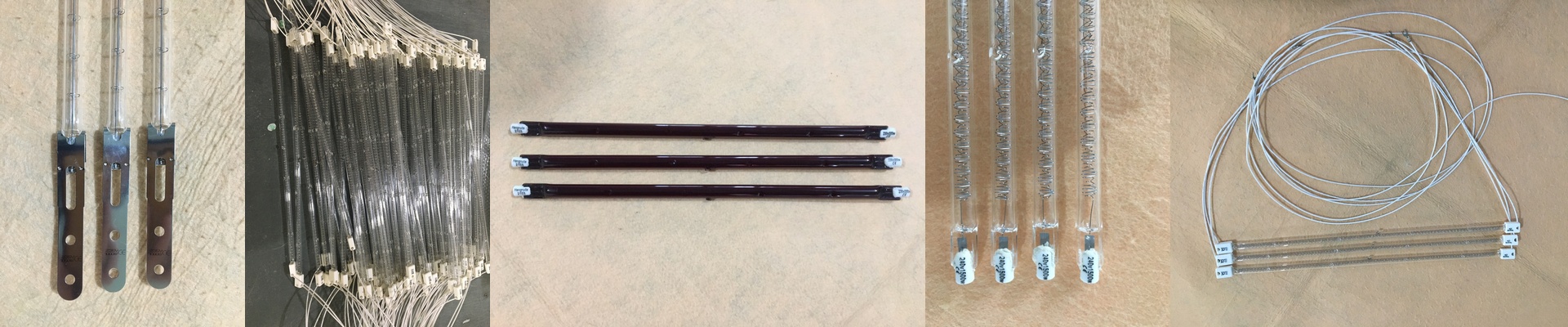
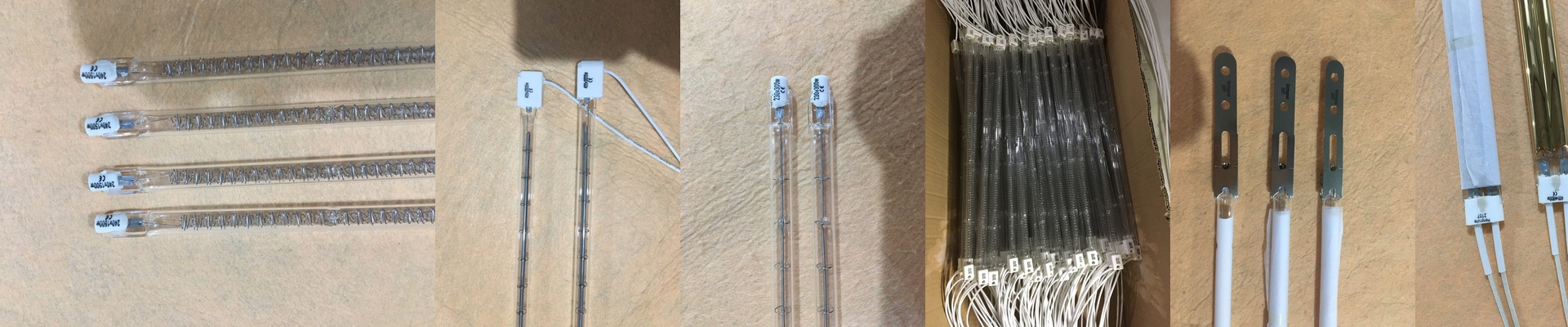
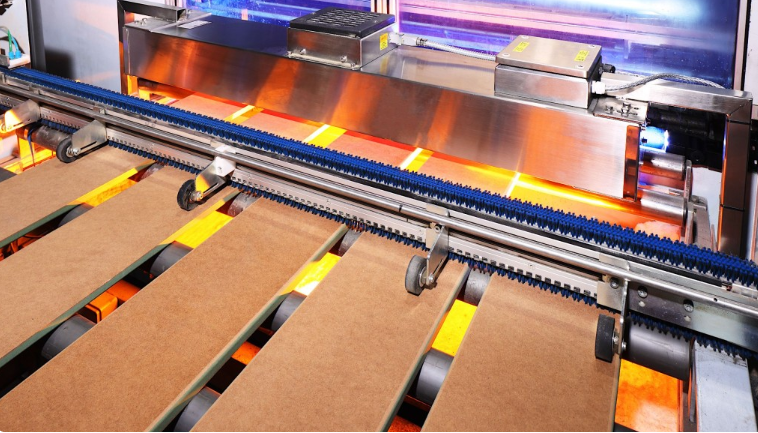
If you’re making high-end flooring, you know the struggle. You need the moisture out of the wood—deep down in the grain—but you can’t just blast it with heat or you’ll scorch the surface and ruin the batch. That’s where our short-wave infrared (SWIR) lamps come in. They don’t just sit on the surface; they punch through the timber to get the job done fast. The Power Side of Things To get that quick temperature jump, we lean on high wattage and very specific voltage. Here’s the deal: when you run a high-voltage setup, the heat stays concentrated. It’s tighter. That means you don’t need a massive footprint on your production line to get the results you want. But a word of warning. Your power supply has to be rock solid. If you get voltage spikes, you’ll fry the filament, and then you’re just staring at a dead bulb. Why Quartz and Halogen? We use high-purity quartz glass for a simple reason: it doesn’t cloud up. When you’re running long shifts, the last thing you want is a foggy lamp blocking your heat. Inside, the halogen cycle is doing the heavy lifting, pushing tungsten back onto the filament so the light doesn’t dim as it ages. We also often coat the tubes. This shifts the spectrum so the heat actually hits the wood, rather than wasting energy heating up your conveyor belt. Fitting Them In You probably don’t want to spend your weekend rewiring an entire rack. We get that. That’s why most of our units use standard R7s or Sk15 connectors. They basically just slide right into most European and American machines. Swap them out, flip the switch, and you’re back in business. The Catch Look, these lamps put out a massive amount of heat. If your cooling fans aren’t up to the task, your reflectors are going to warp. It’s a mess. Do yourself a favor: check your airflow every 500 hours. It takes five minutes, and it keeps your circuitry from melting into a puddle.