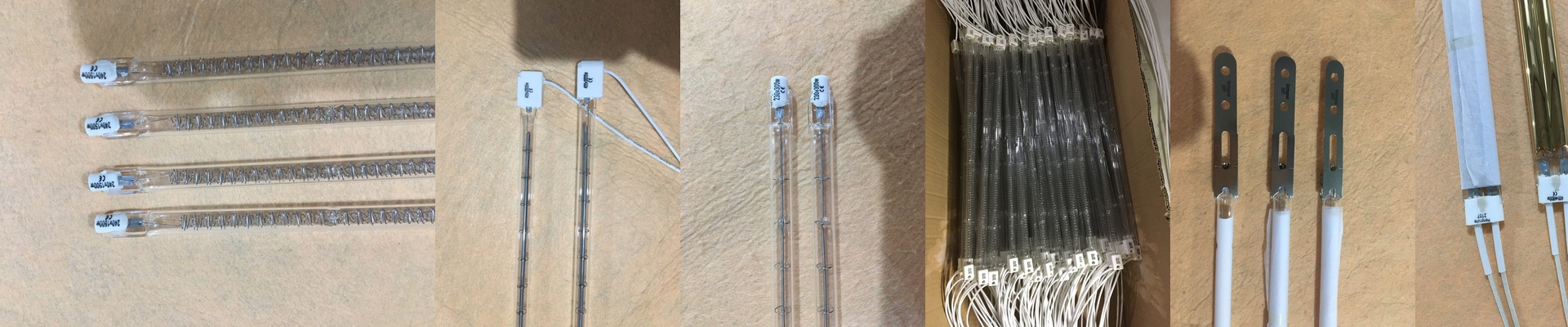
Giving Old Poultry Houses a Second Life with Infrared Heat
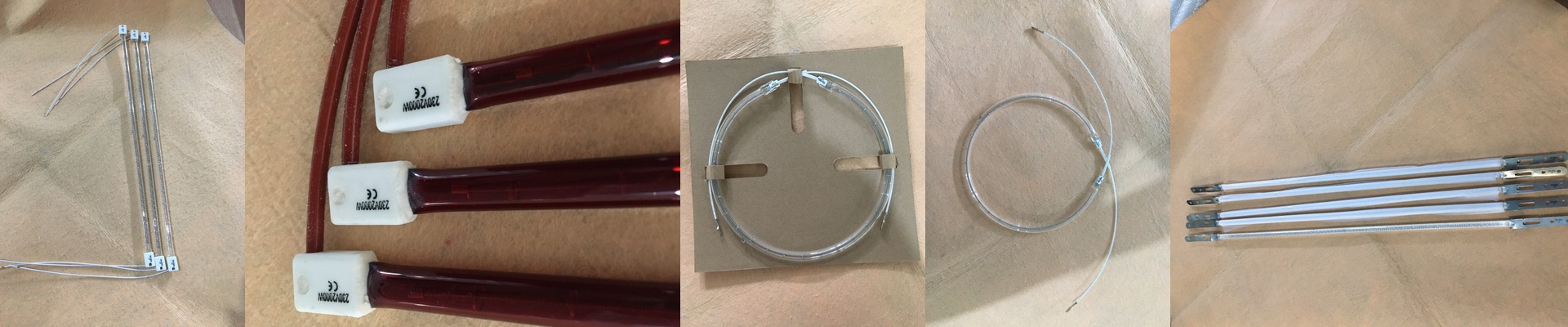
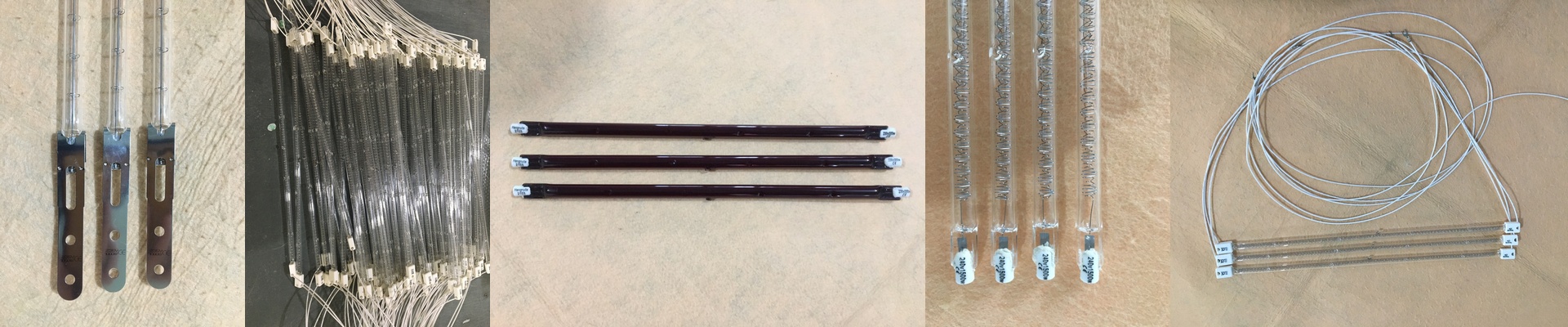
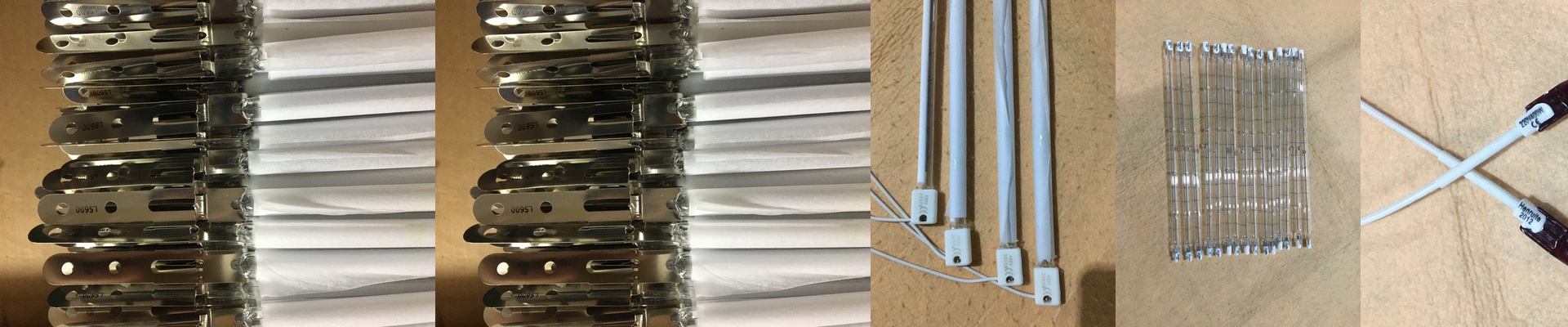
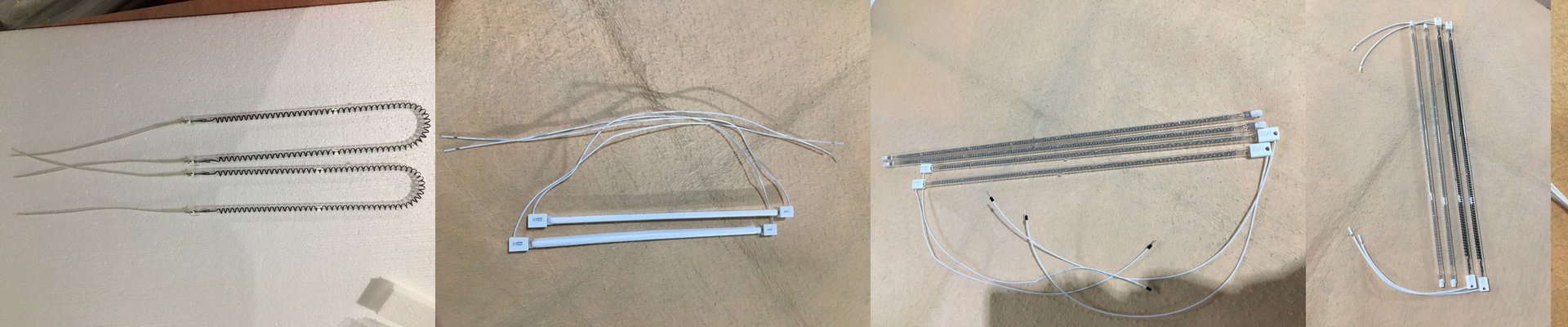
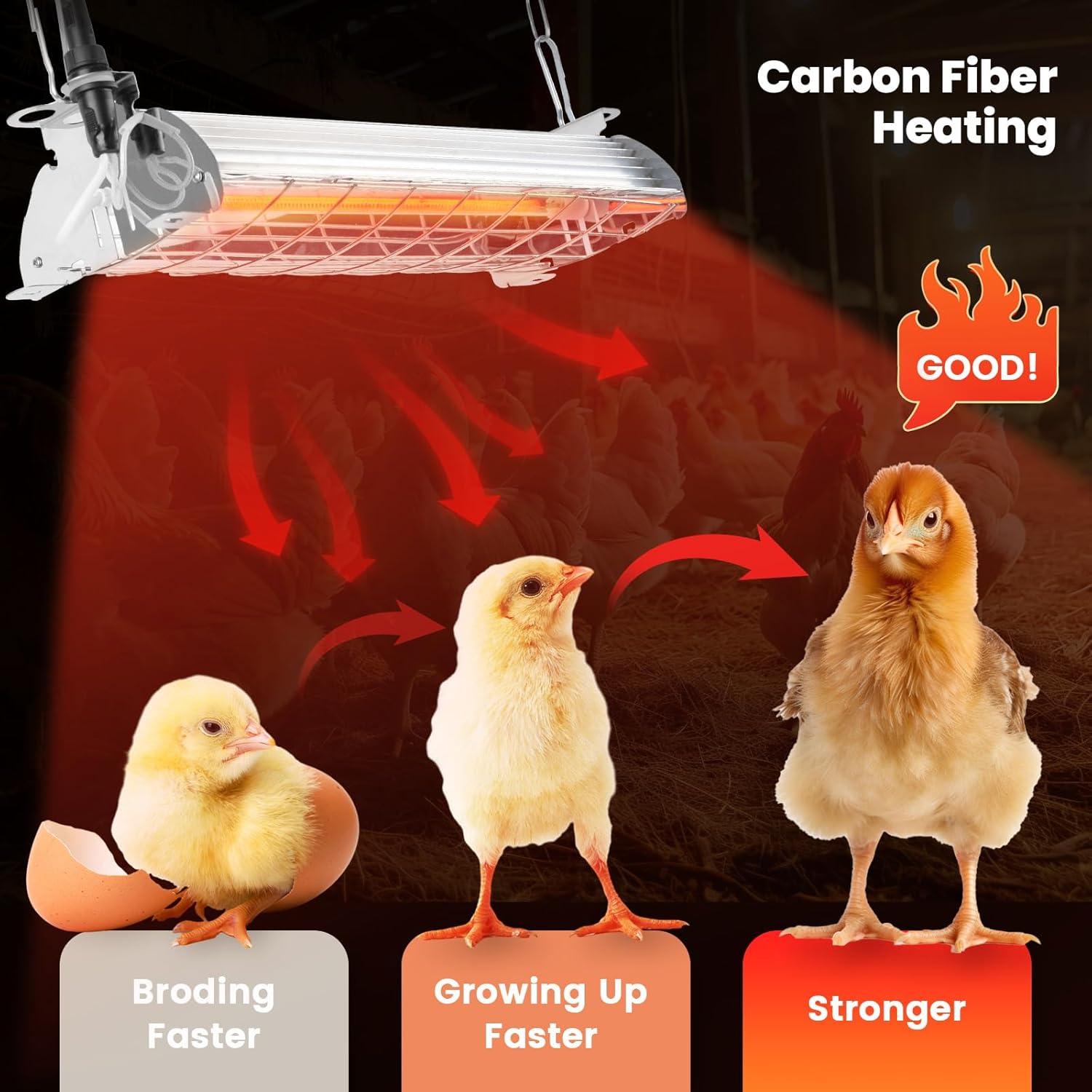
Let’s be honest: old poultry houses can be a nightmare to keep warm. You’ve probably seen it a thousand times—some spots are freezing, others are sweltering, and your electricity bill is through the roof. Most of the time, it’s because those clunky old forced-air systems or cheap heat lamps just can’t keep up. Switching over to a custom infrared (IR) setup changes the whole vibe of the barn. Here is the thing about how this actually works. Most heaters try to warm up the air. But air is slippery; it moves, it leaks out of cracks, and it mostly just ends up heating your ceiling. Infrared is different. It’s more like sunlight hitting your skin on a crisp October morning. The heat travels in a straight shot and doesn’t actually “become” heat until it hits something solid—like your birds. You stop paying to heat the empty space in the room. Your grid takes a breather, and your chicks actually stay warm. But you can’t just throw any lamp in there and call it a day. If you just “drop in” a replacement without a plan, you’re asking for trouble. We always look at the actual footprint of the house first. You have to get the wattage and the spacing just right. If you go too powerful without hanging the lamps high enough, you’ll end up scorching the birds. It’s a balancing act between how hot the emitter gets and how far it is from the floor. And a quick heads-up on the technical side: check your breakers. These high-efficiency lamps don’t always pull the same current as those ancient bulbs you’re replacing. Plus, there’s one catch. These systems are powerful, but they hate dust. If your reflectors get coated in grime, your efficiency tanks. You’ll need to get into a rhythm with cleaning them to keep the heat pumping. It’s a simple fix. You don’t have to tear down the walls or rebuild the whole structure. Just swapping the heating element stabilizes the whole environment, keeps more chicks alive, and puts some money back in your pocket.