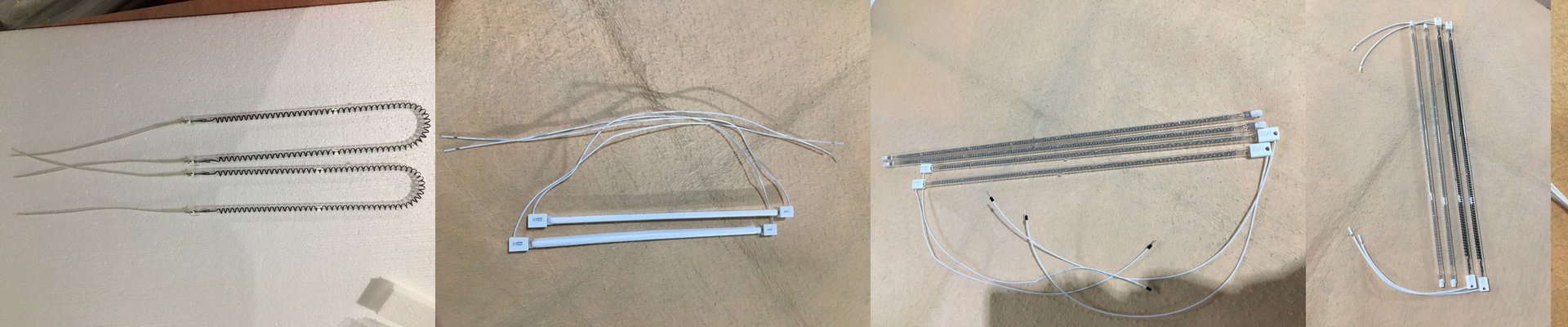
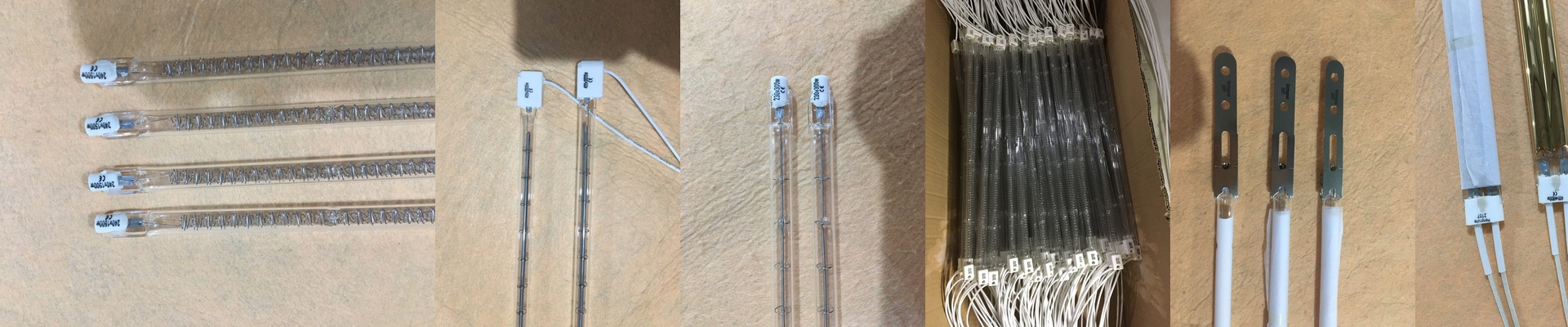
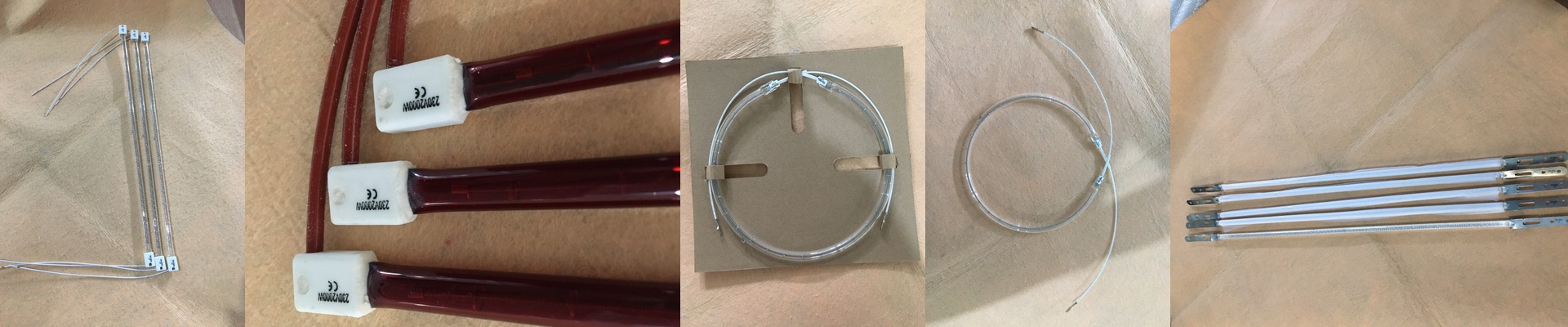
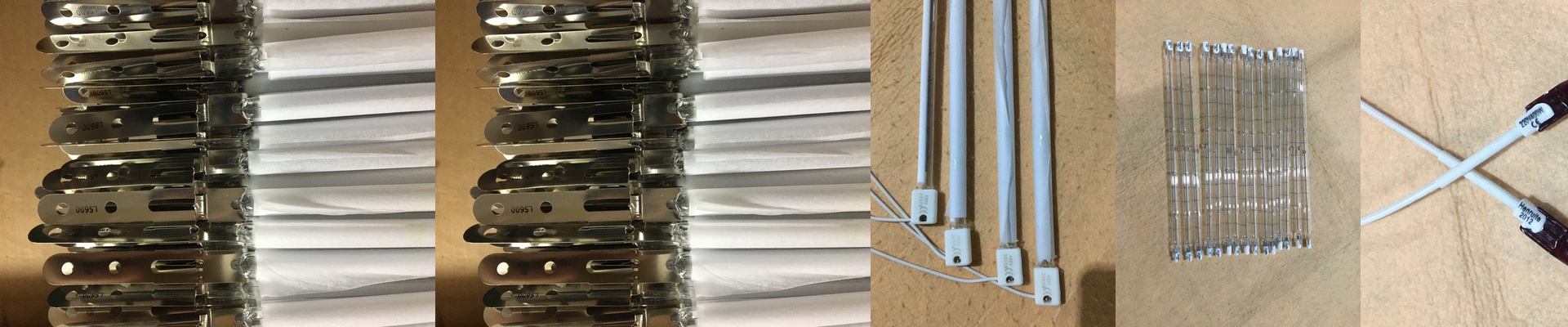
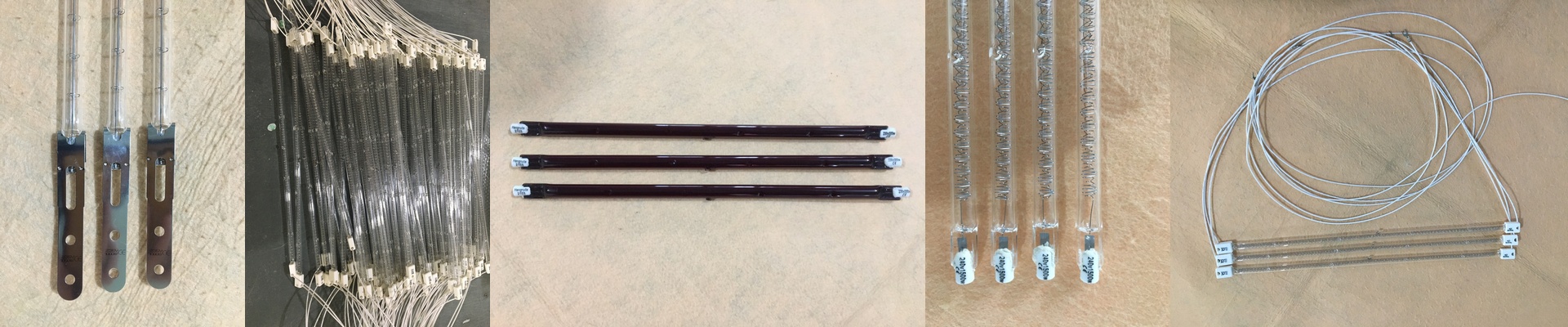
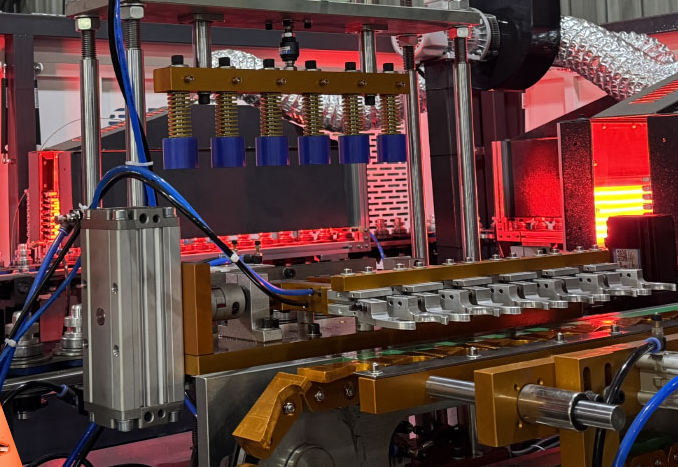
Getting the Heat Right in Your Husky HyPET System
If you’ve run high-speed Husky HyPET systems, you know the struggle. You’re fighting to get the heat deep into the PET preform without accidentally scorching the outside. It’s a balancing act. If the wall thickness comes out uneven, you’ve got a problem. That’s why we built our infrared lamps the way we did. We wanted to make sure the core of that preform hits the glass transition temperature perfectly, while the “skin” stays safe.
How we actually get the heat inside
Here is the trick: it’s all about the wavelengths. We messed around with the halogen gas pressure and the filament mix to push the emission toward longer short-wave infrared (SWIR) bands. Why? Because those specific waves actually dive deeper into the PET polymer chain rather than just bouncing off the surface. We also spec these for high wattage densities. When you run them on a high-voltage setup, you get a concentrated blast of heat. This means the preform spends less time in the oven. And in a high-cycle environment, every fraction of a second counts.
No headaches during install
Nobody wants to spend their weekend modifying an oven chassis. We used heavy-duty quartz glass so the tubes don’t bow or warp when things get hot. They’re designed as drop-in replacements for Husky OEM specs. Plus, we use standard R7s or SK15 connectors. You just wire them up and get back to work. We also added a special coating to the envelope. It basically bounces the heat back toward the preform instead of letting it leak into the oven walls. It saves energy and keeps your equipment from overheating.
The trade-off (The honest part)
Look, high-density heating isn’t magic—it comes with a price. These lamps pull a lot of power and they gethot. Really hot. If your cooling blowers aren’t up to the task, you’re going to burn through filaments way faster than you’d like. Before you swap these in, do yourself a favor and check your airflow rates. It’ll keep your lamps alive much longer. Sure, constant thermal cycling eventually wears everything down, but the tradeoff is that your line speeds can finally hit those top numbers.