Quartz vs. Ceramic: Which one actually makes sense for livestock heating?
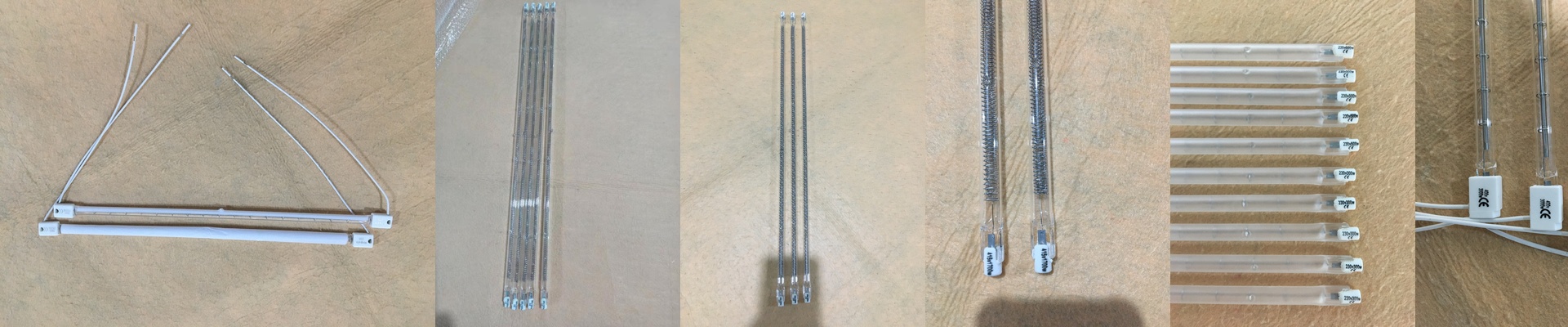
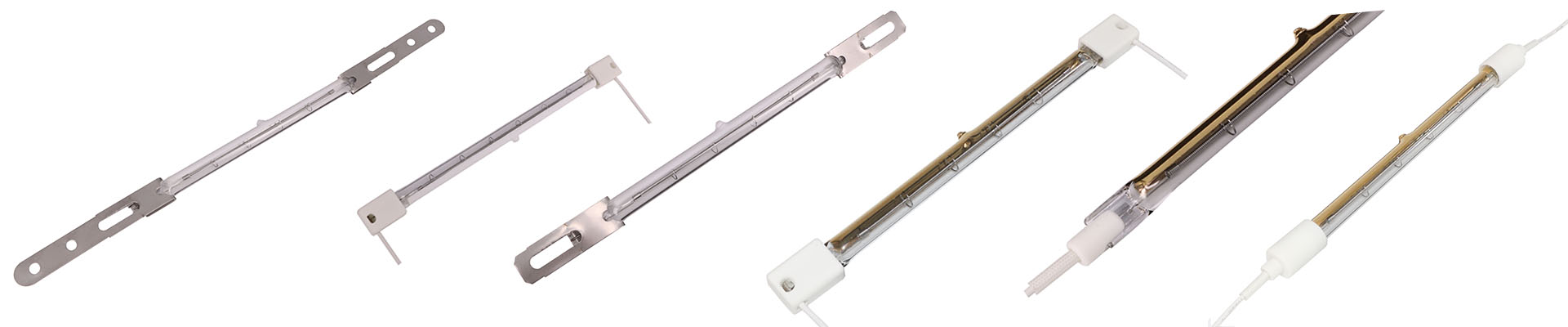
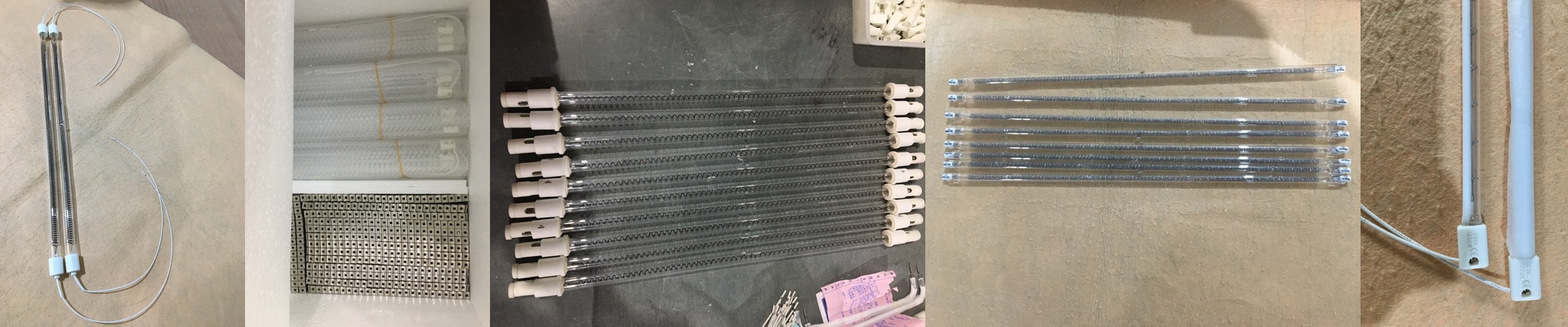
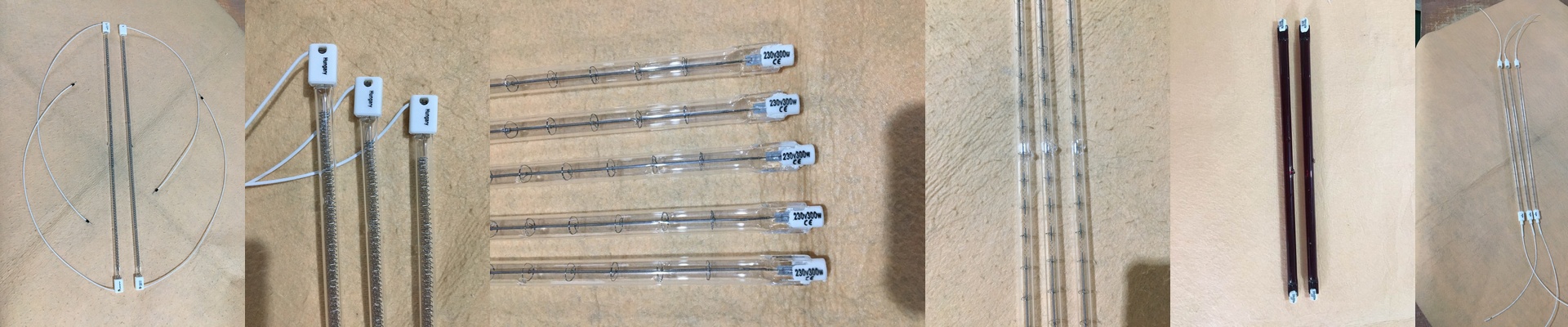
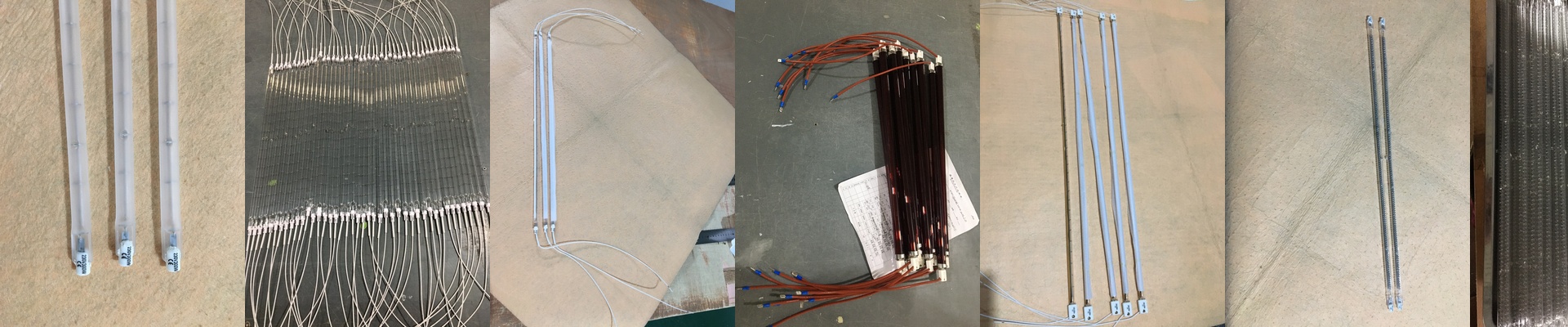
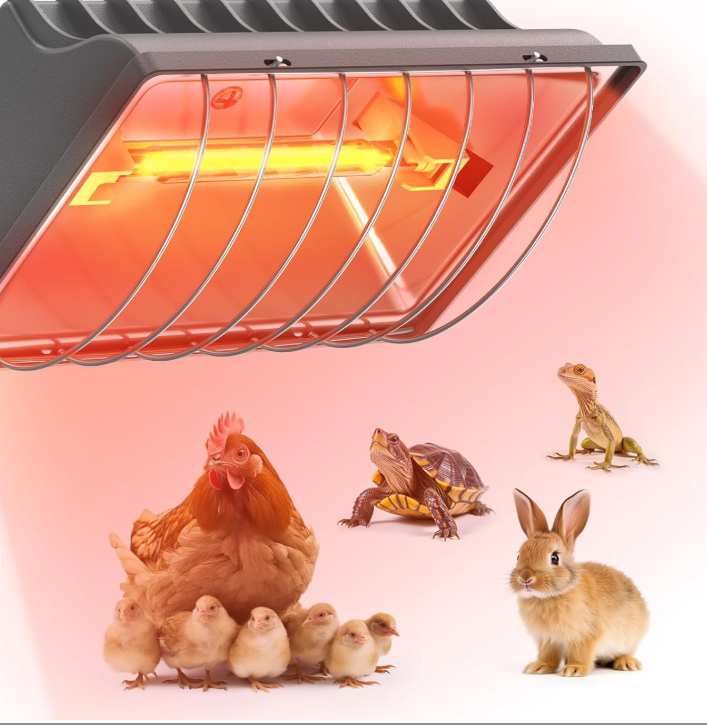
If you’re setting up heating for livestock, you’ve probably stared at the choice between ceramic emitters and quartz infrared lamps. A lot of people go with ceramic because they’re cheap and they don’t glow. But if you’re building equipment for a serious operation, you might find they just don’t pack enough punch. Here’s the deal with how they actually work. Ceramic heaters are slow. They take their time warming up and just sort of bleed heat into the room. Quartz is a different beast. It uses a tungsten filament inside a quartz shell to send heat straight to the target. Think of it this way: instead of trying to warm up all the air in a drafty barn, quartz hits the animal or the beddingimmediately. It’s fast. Really fast. And in a cold wind, that’s the only thing that actually matters. Now, let’s talk about the wear and tear. Ceramic elements have a habit of cracking when the temperature swings too fast, or they just wear out as the internal coil rusts. Quartz lamps—the professional grade ones—stay steady for thousands of hours. The glass does a great job of keeping out the nasty gases you usually find in a barn. But there is a catch. Quartz is glass. It’s fragile. If your livestock are the type to bump into things or if your fixtures shake, a quartz lamp will shatter. You have to make sure your housing is rock solid. It’s a trade-off: you get way more heat, but you have to protect the bulb. Then there’s the money side of things. Sure, ceramic is cheaper to buy on day one. But because they’re less efficient, you’ll see it on your electric bill every single month. Quartz uses power more effectively. You get more warmth for every watt you pay for. For anyone manufacturing this gear, switching to quartz usually means fewer support calls and happier animals. You aren’t just picking a bulb; you’re making sure you don’t have to replace the whole system in a year.