Getting the Heat Right for High-Speed PET Blowing
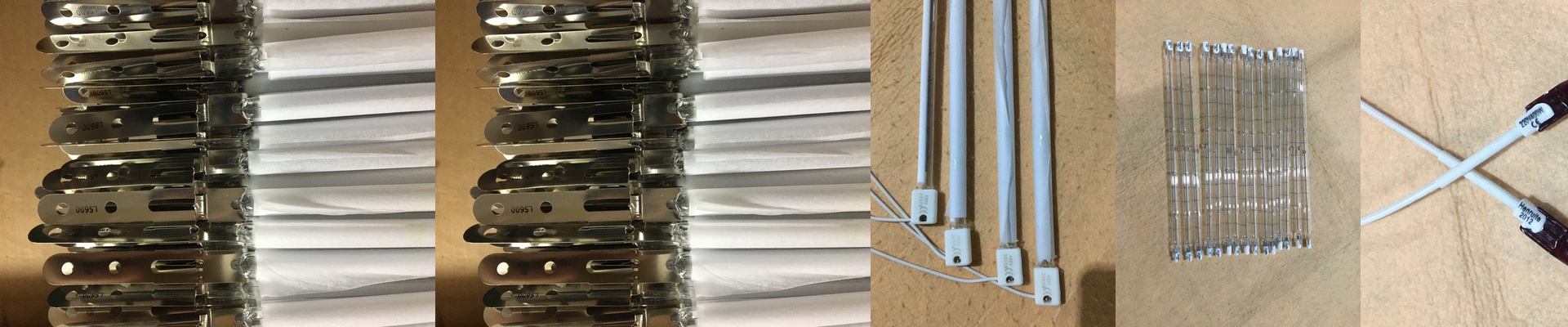
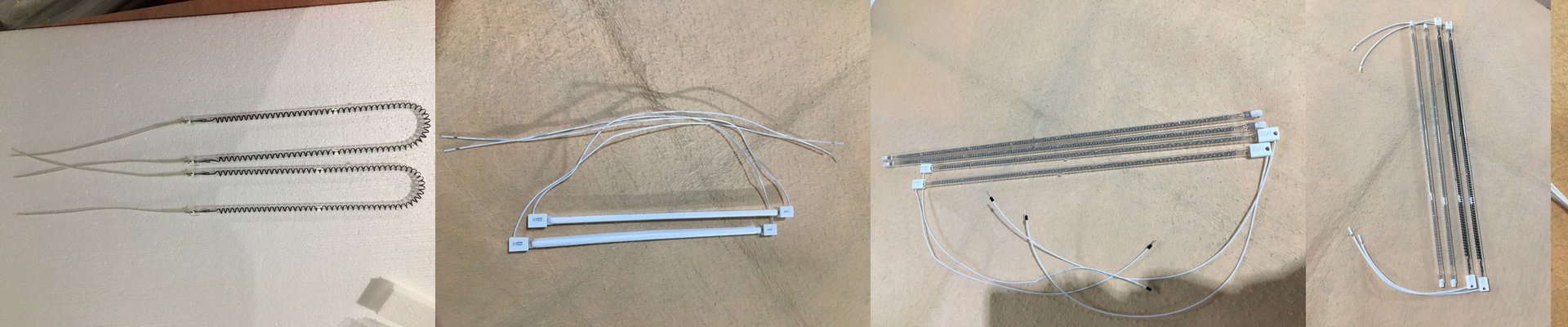
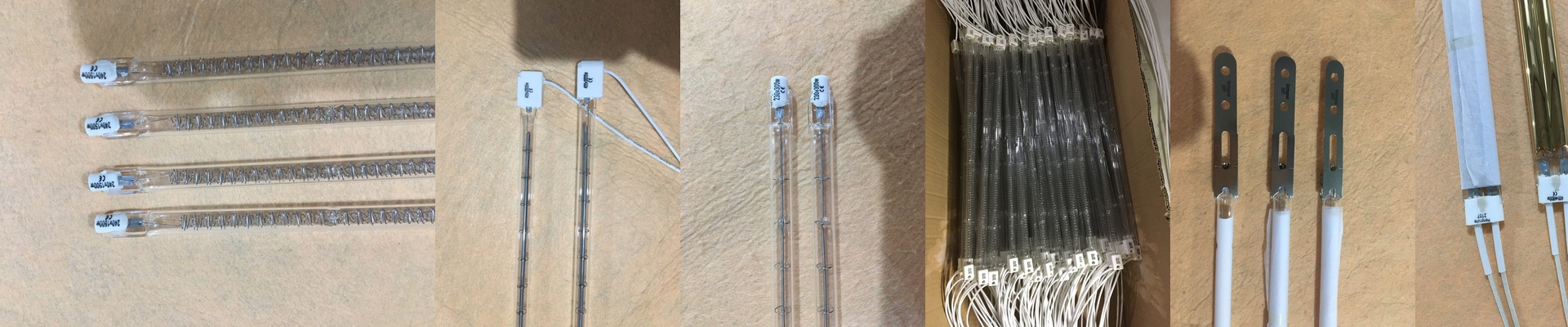
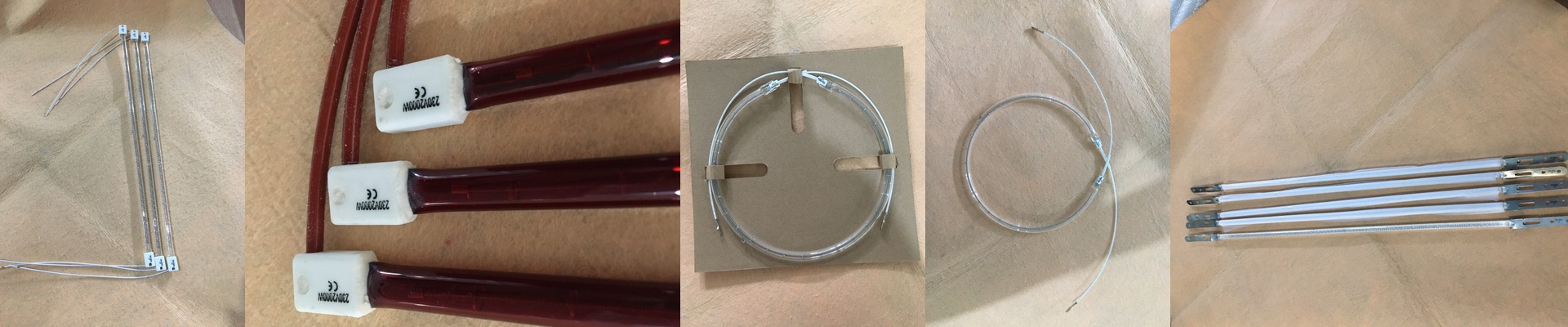
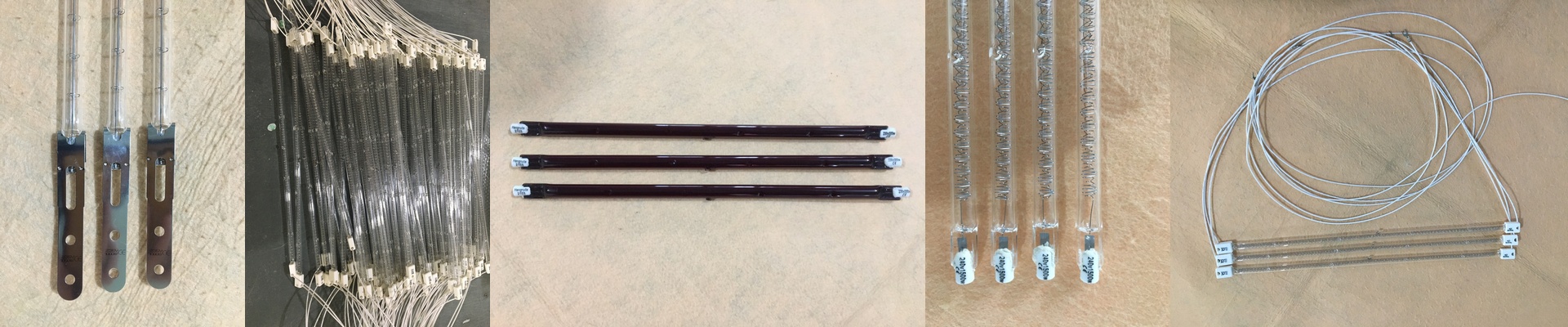
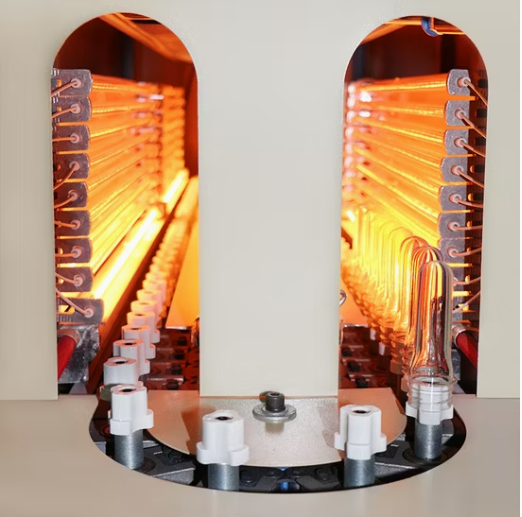
If you’re running a Husky HyPET or a Krones Contiform 3 Pro, you already know the headache. The real bottleneck isn’t the machine speed—it’s the heat soak. When the preform doesn’t heat evenly through the wall, you end up with thin spots and bottles that burst. It’s frustrating and kills your yield. That’s exactly why we built our replacement lamps. We wanted to fix that penetration problem once and for all. The power behind the heat To actually get heat into the center of a thick-walled preform, you need serious irradiance. We’ve spec’d these tubes for high wattage and precise voltage matching. The goal? To make sure that filament hits its operating temperature the second you flip the switch. Higher heat density means you can run a shorter oven or push for faster cycle times. It’s a huge win for productivity. Just a heads-up, though: that extra thermal load puts more pressure on your cooling blowers. Double-check your airflow so you don’t accidentally cook your machine frame. The science of the glass We use heavy-wall quartz glass because thin glass bows when things get hot. We also rely on an internal halogen cycle to keep the filament clean, which means your lamps last longer before they give up the ghost. For the HyPET systems, we do something a bit different with the coatings. We shift the infrared spectrum to a wavelength that PET just loves. Instead of the heat bouncing off the surface like a mirror, it actually sinks deep into the plastic. No fuss, just swap and go Nobody wants to spend their weekend modifying sockets or fighting with brackets during a teardown. These are true drop-in replacements. We use standard R7s or Sk15 connectors, so they plug right in. The physical footprint is a dead match for the OEM specs. You just swap the lamps, tweak your timers, and get your line moving again. Simple as that.