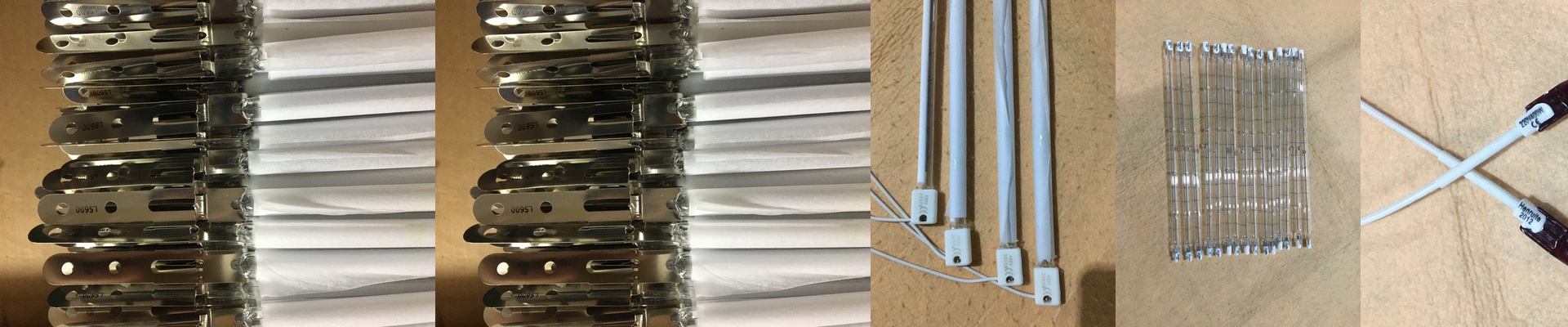
Getting Your Venjakob Line Back Up and Running
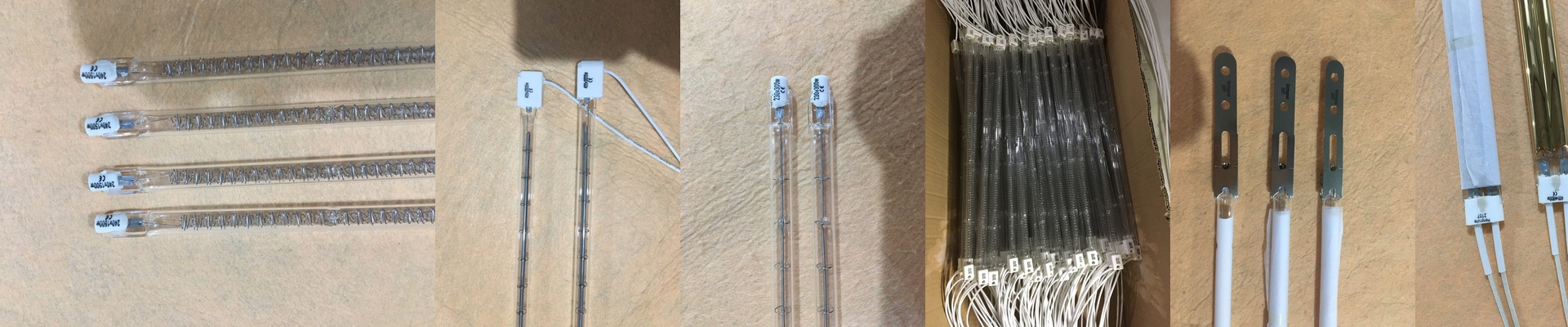
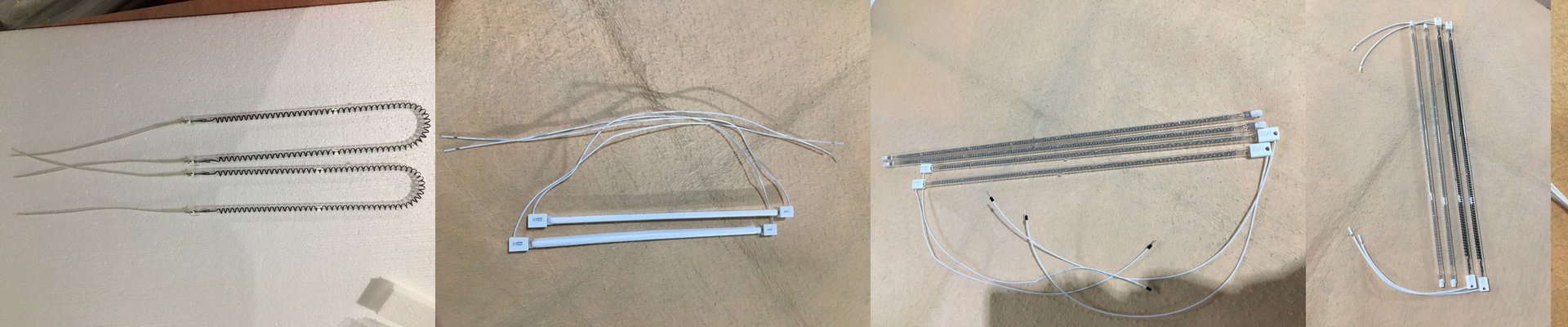
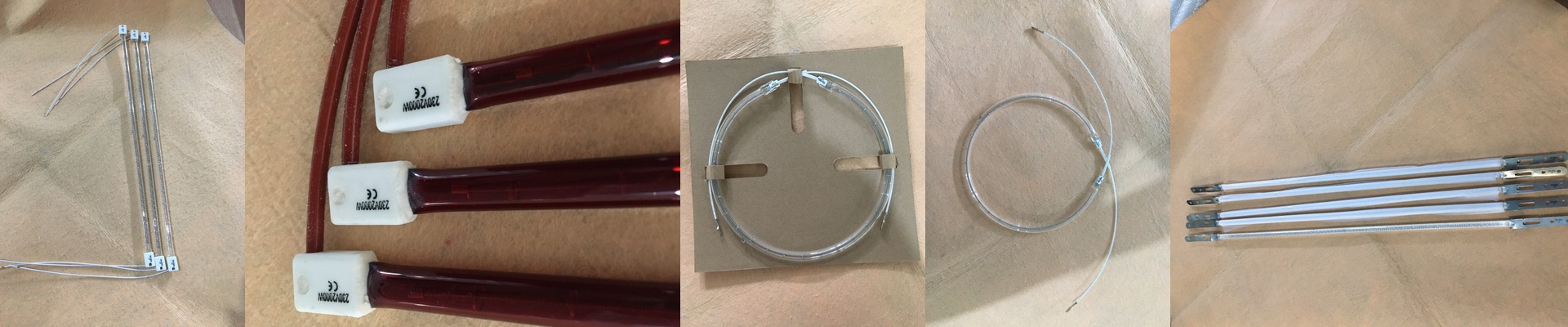
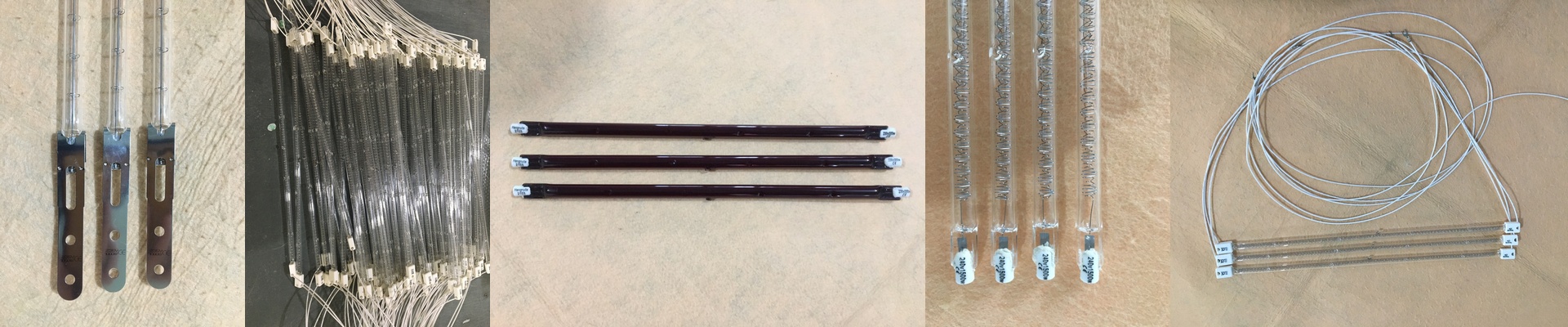
If you’re running a Venjakob flooring line, you know the drill. Those infrared lamps are the heart of the whole operation. They do the heavy lifting—curing the resins and bonding the layers just right. But when a lamp burns out, it’s a headache. You can’t just throw any old bulb in there. If the spectral output or the electrical load is off, you’re looking at ruined boards and a lot of wasted material. That’s why we build our lamps to be exact matches. You just swap them in. No rewiring your control panels, no tinkering with the electronics. Just a clean swap so you can get back to work. The deal with heat and power Here is the thing about wattage: it has to be spot on. If you go too low, you’ll get cold spots on your flooring. If you go too high? You’re risking a blown fuse or, worse, scorching your substrate. We match the OEM footprint exactly so you don’t have to guess. One quick tip: keep your cooling fans clean. These lamps put out a massive amount of heat. If the air isn’t moving, the ends of the lamp will overheat and die way sooner than they should. Quartz, coatings, and the “click” We use high-purity quartz glass because this stuff takes a beating. The thermal cycling is brutal, and cheap glass just warps. Depending on what you’re producing, you might want clear tubes or coated ones. Coated lamps push the heat deeper into the material. Clear lamps hit the surface harder. It just depends on your specific setup. And we don’t mess around with the connectors. We use standard industrial fits because a loose connection is a nightmare. It creates an arc, and before you know it, your housing is melting. You want to feel that lamp seat firmly in the socket. Swapping them out on the floor You can handle these swaps during your normal maintenance window. There’s no need to mess with the reflectors or the mounting brackets—they just slide right in. We’ve put these to the test against the big international brands in actual flooring plants. The goal is simple: consistent heat across the entire width of the belt. No stripes, no gaps. Just do yourself a favor and check your voltage readings before you flip the switch. Make sure the circuit is balanced, and you’re good to go.