Why IR Curing is the Smart Way to Hit Low-VOC Standards
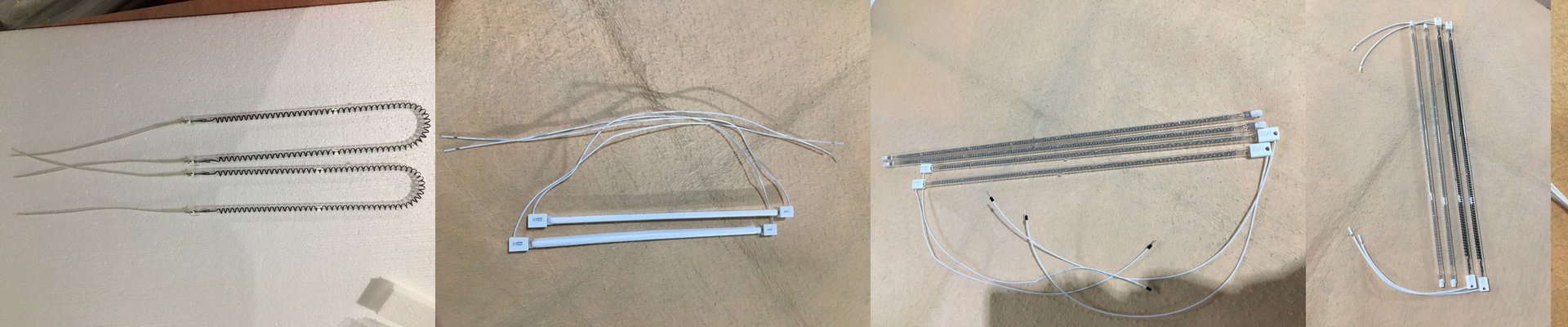
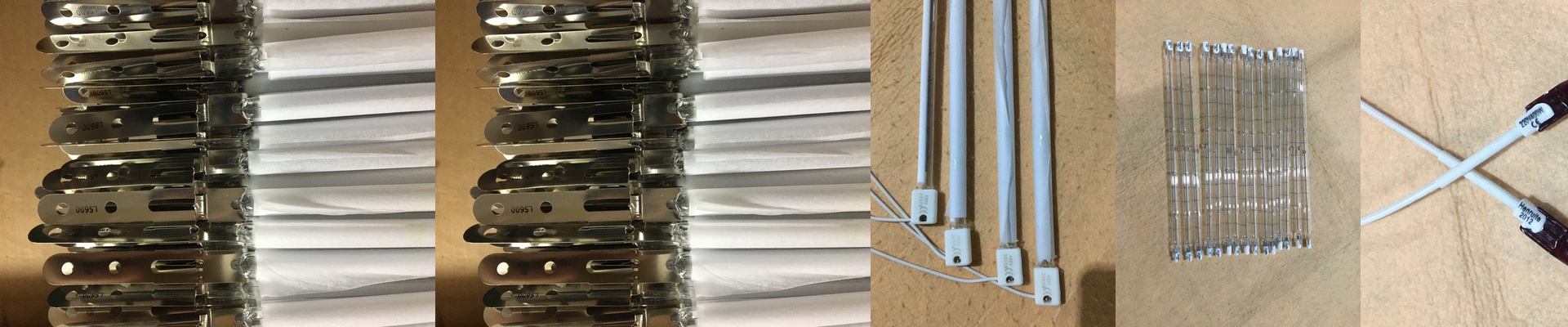
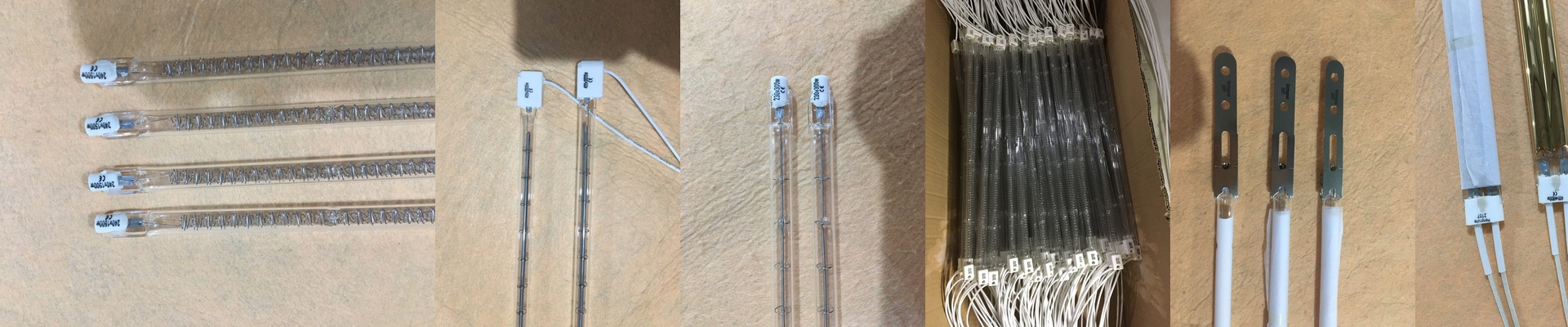
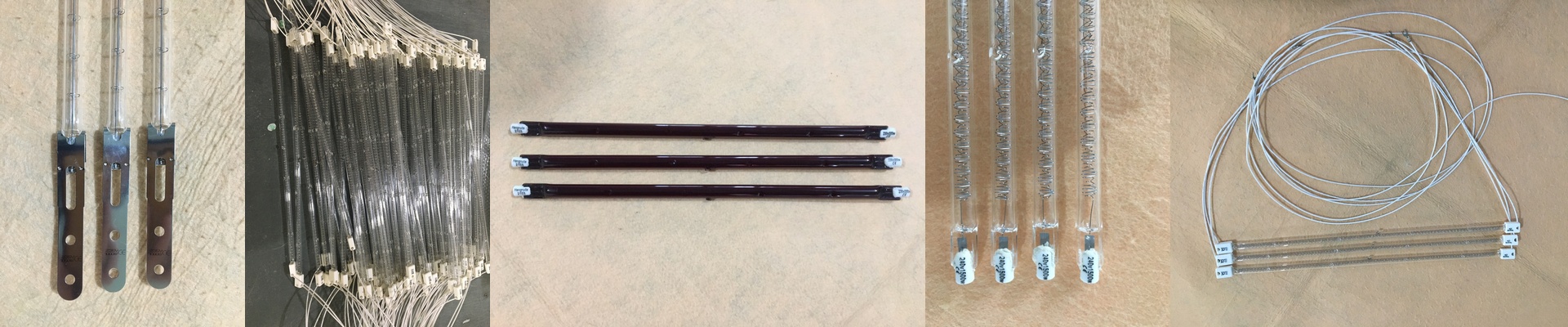
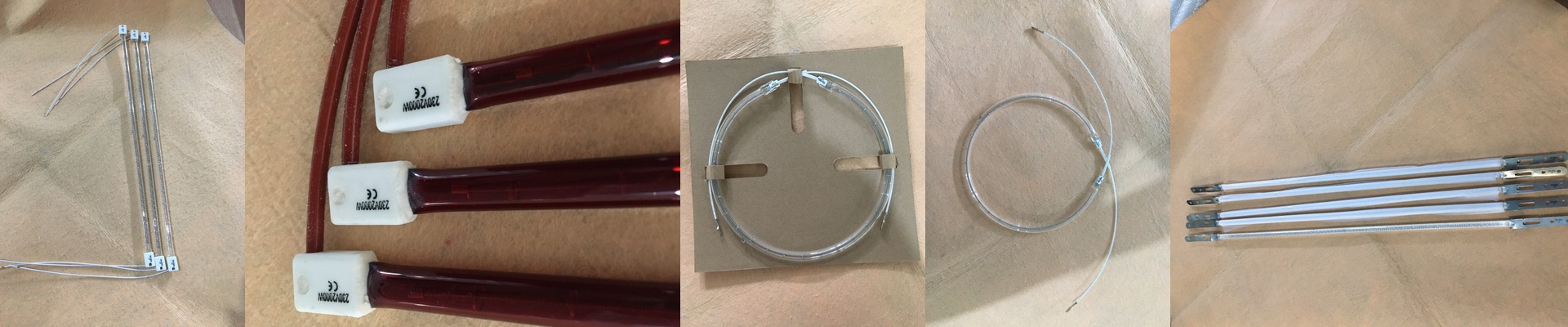
If you’re running a furniture edge-banding line, you’ve probably noticed the shift. Solvent-based adhesives are out. Water-based and PUR glues are in. But here’s the rub: these new glues don’t just need “warm air” to dry. They need a way to actually get inside the material. That’s where infrared (IR) heaters save the day. Heating from the inside out Think about a standard hot-air oven. It heats the air, then the air heats the wood. It’s slow. It’s clunky. IR is different. It uses electromagnetic radiation to make the molecules in the glue and the wood fibers vibrate. I like to call it “inside-out” heating. Since the energy goes straight for the glue line, you aren’t baking the entire piece of wood just to get the edge to set. This is huge. It means your wood doesn’t over-dry or warp, and your energy bill doesn’t skyrocket. Getting the chemistry right Staying compliant with low-VOC standards isn’t just about using the right glue—it’s about how you cure it. You need the temperature to be spot on so you aren’t pumping harmful chemicals into your shop. With IR lamps, we can get really specific. Want a fast surface skin? Go with shortwave. Need to penetrate deep into the joint? Medium-wave is your best bet. By dialing in the wattage and the distance from the edge, the glue hits its “sweet spot” temperature quickly. The bond locks in, and those nasty solvents stop evaporating before they can become a problem for your team or the environment. The trade-off (because there’s always one) Now, IR systems are great for saving floor space. They’re way smaller than those massive gas ovens. But you have to be careful. These lamps pack a serious punch. If your conveyor belt stutters or a sensor glitches, you can scorch your veneer in a heartbeat. To make this work, you can’t just “set it and forget it.” You need a tight control loop and a solid cooling system for the lamp housings so the electronics don’t fry themselves. It’s a high-performance setup, which means you’ve got to keep it calibrated if you want that perfect finish every single time.