Getting Your Wood Drying Right: The Truth About Infrared Tubes
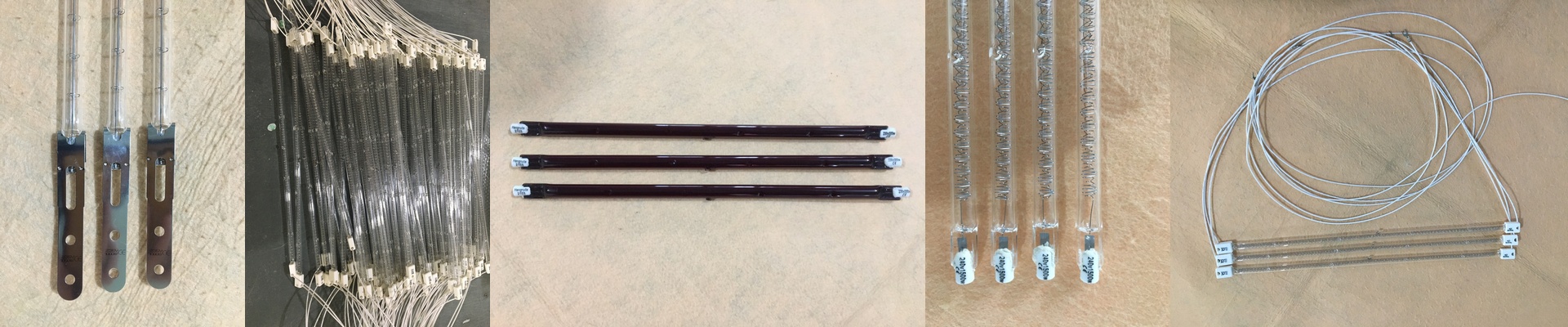
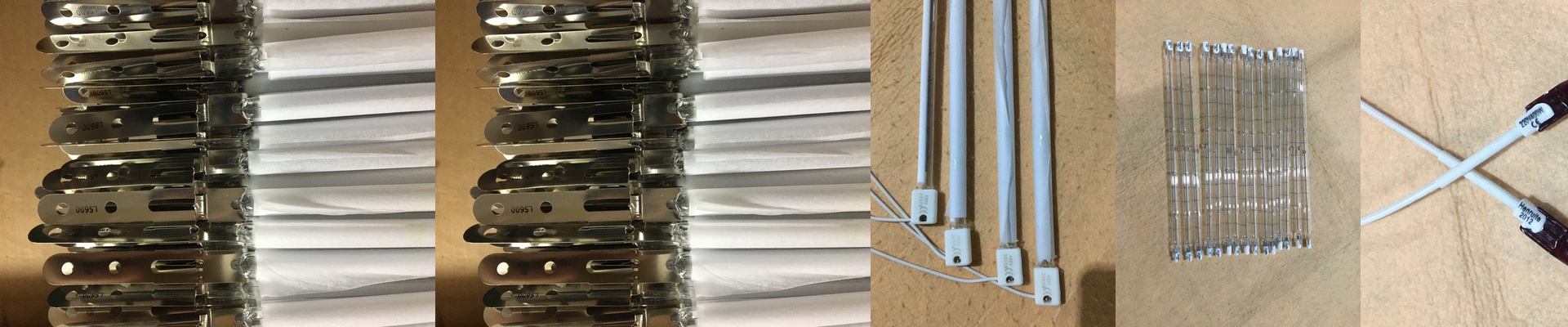
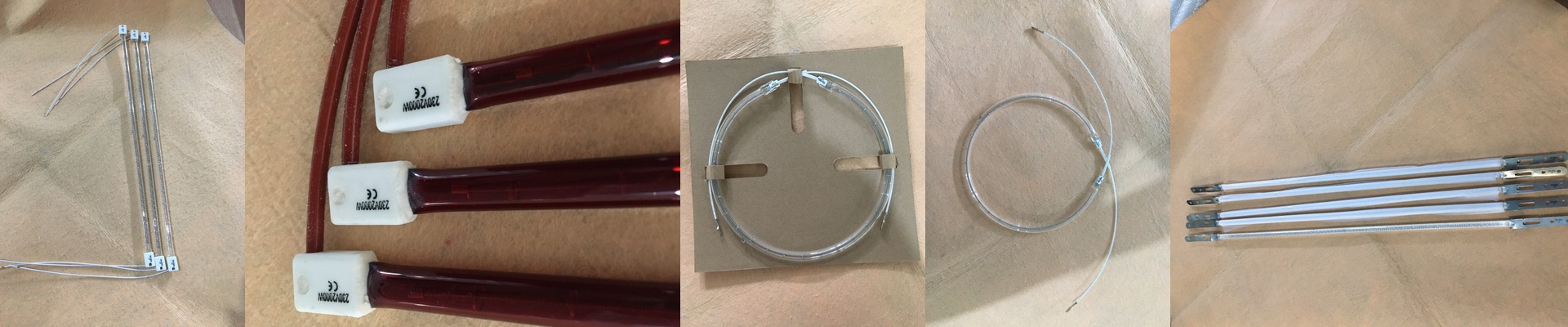
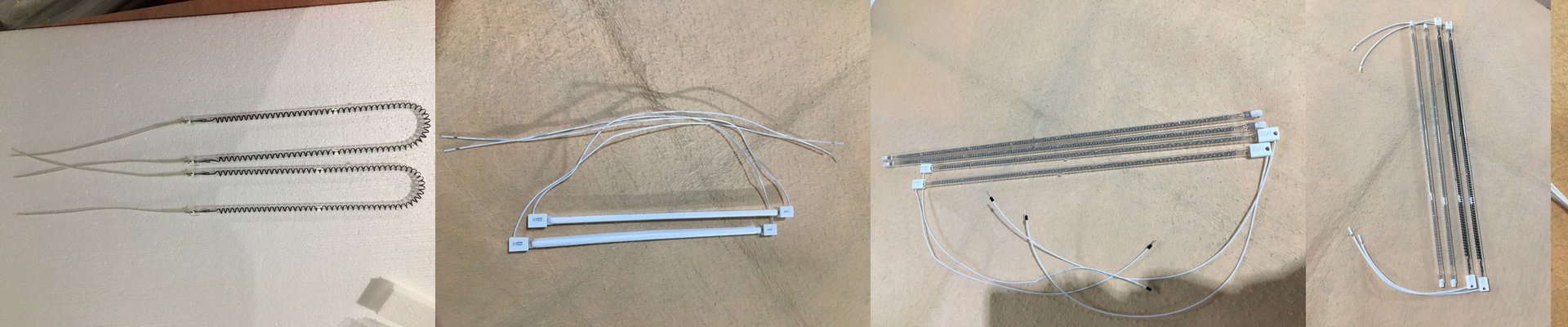
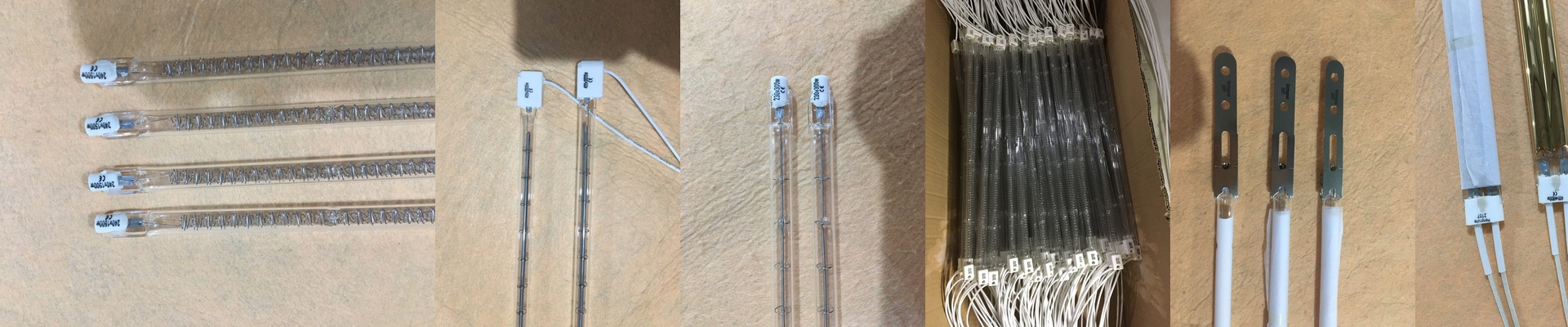
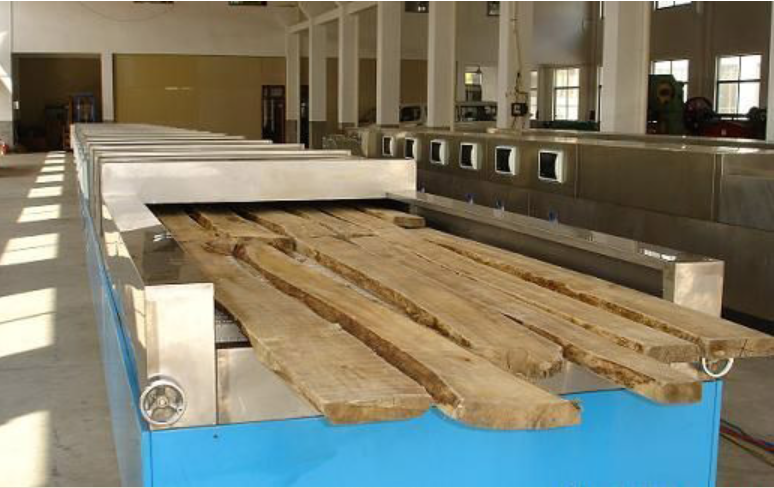
If you’re producing high-end flooring, you already know the nightmare of warping or surface checking. It usually comes down to one thing: inconsistent heat. We build our replacement tubes to hit those same high standards you see from the big international brands, but we focus on what actually matters—how much heat is hitting the wood and where it’s going. Let’s talk about power. Our tubes are built for high-wattage work because that’s the only way to get moisture out fast. But here’s the thing: when you bump up the wattage, the heat density spikes. That’s great because your wood hits the target temperature way faster. But you’ve got to keep an eye on your conveyor speed. If the belt crawls, you’ll scorch your veneer. Too fast? You’re leaving dampness in the core. It’s a balancing act, but our tubes are tough enough to handle the constant on-off cycling of a busy industrial line without breaking a sweat. What’s inside the glass? We use high-purity quartz to hold the tungsten filament. Why? Because quartz doesn’t freak out when it goes from ice-cold to scorching hot. It handles that thermal shock without cracking. Some of our tubes even have special coatings. Instead of just baking the surface, these coatings push the heat deeper into the wood fibers. And don’t worry about the installation. We use standard industrial connectors, so these are simple drop-in replacements. No need to pull out the wiring or spend your weekend rewiring housings. A quick heads-up on the trade-offs. Swapping in high-output tubes is easy, but there’s a catch. All that extra heat puts a lot of pressure on your reflector plates. If your reflectors are pitted or look like they’ve seen better days, you’re wasting energy—sometimes up to 30% of it. It’s just leaking into the machine chassis instead of hitting the wood. If you’re swapping the tubes, do yourself a favor and clean or replace those reflectors at the same time. Also, double-check your cooling fans. You’ll want to make sure they can keep up with the extra heat these elements put out.