Quartz vs. Ceramic: Which one actually works for your piglets?
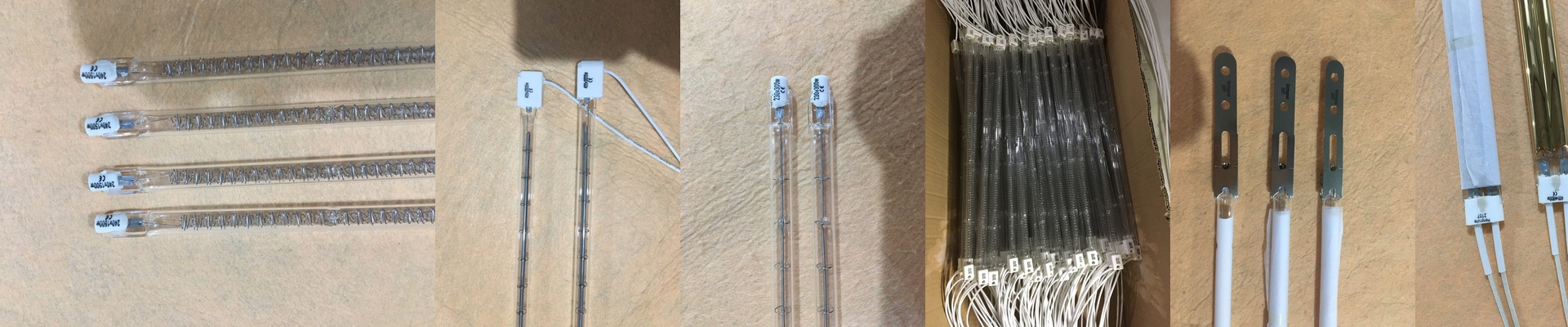
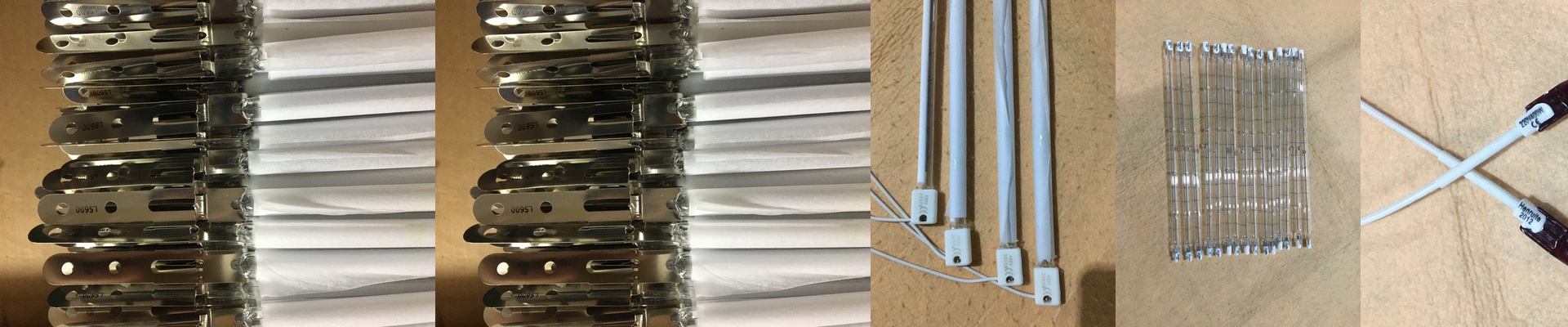
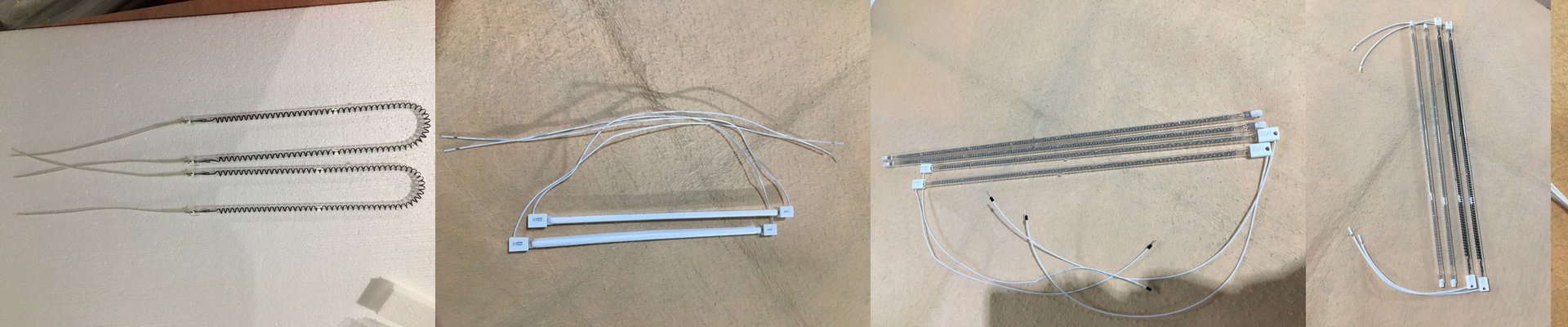
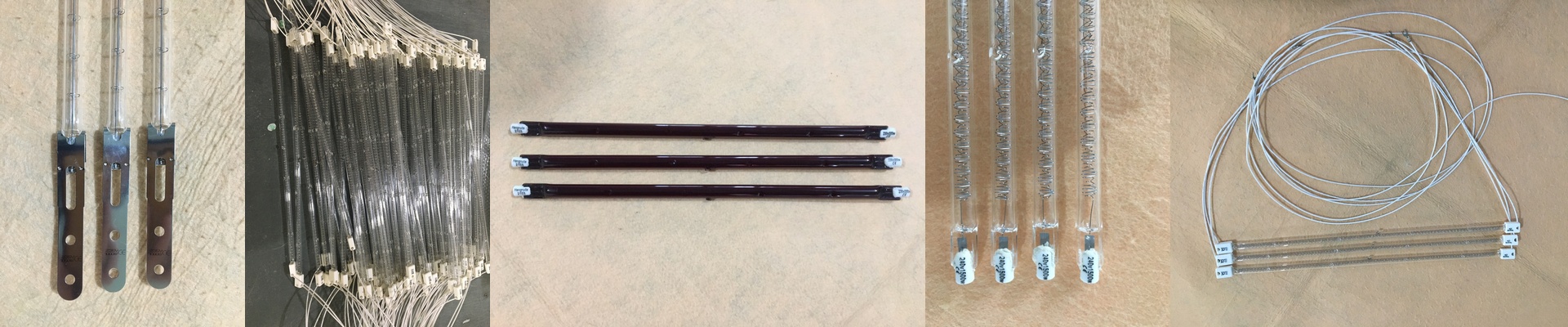
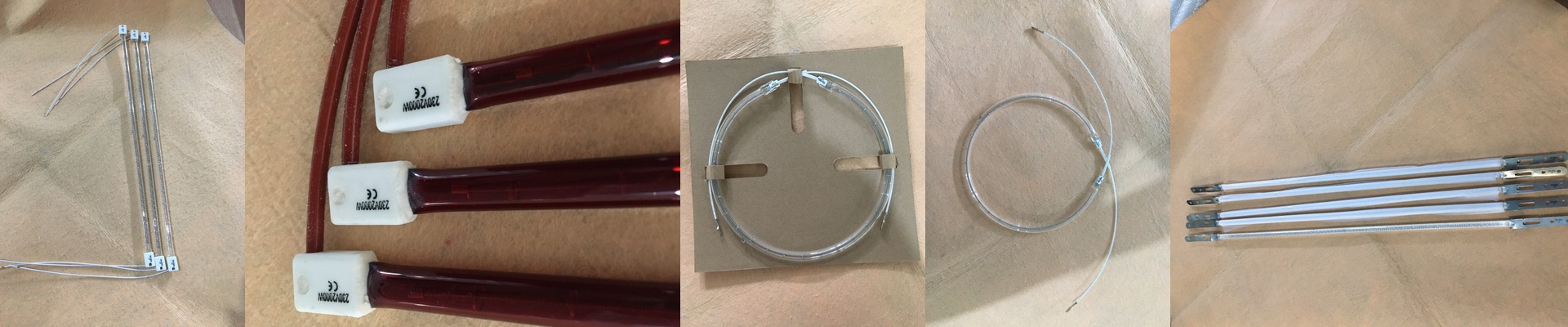
When you’re picking out heat for your piglet crates, you usually end up staring at two options: ceramic plates or quartz infrared lamps. Most folks go with ceramic because it’s what they know, but the way it actually handles heat is pretty old-school. It relies on conduction—basically, the pig has to touch it to feel it. Quartz infrared is a different animal. Instead of just warming up a surface, it sends heat straight to the piglet using radiation. The speed factor Here’s the thing about ceramic heaters: they’re heavy. They take forever to warm up, and once they’re hot, they stay hot long after you’ve clicked the power off. It’s clunky. Quartz lamps are the opposite. They hit their target temperature almost the second you flip the switch. Because they react so fast, your thermostat actually does its job. You don’t get that annoying “overshoot” where the area gets way too hot because the heater couldn’t stop in time. Plus, quartz uses short and medium-wave infrared. This doesn’t just warm the air around the pig; it sinks right into their skin and warms their core. You get a cozy little heat zone exactly where it’s needed, without wasting energy heating the rest of the barn. The “Oops” Factor Now, let’s be real about durability. Ceramic plates are tough. You can beat them up and they’ll usually hold. But they do have a habit of cracking if the temperature swings too wildly. Quartz is made of high-purity silica glass. It handles the heat beautifully, and we’ve made them easy to swap out so you aren’t stuck with a cold crate for hours. But—and this is a big but—glass breaks. If a heavy object hits a tube or you splash cold water on a scorching bulb, it’s going to shatter. That’s why you can’t just leave them naked; you need a solid guard to protect the glass from the chaos of a pig pen. Looking at the wallet If you’re just looking at the price tag on day one, ceramic looks cheaper. It’s tempting. But then the electric bill arrives. Ceramic heaters waste a lot of energy because they spend half their time heating up the fixture and the air around them. Quartz is much more efficient. You get more “heat per watt,” meaning you’re spending less on electricity to keep your piglets at the right skin temperature. It’s a win for your monthly budget and a lot less stress on your electrical panel.