Ditching the Coal Boiler for Infrared Drying
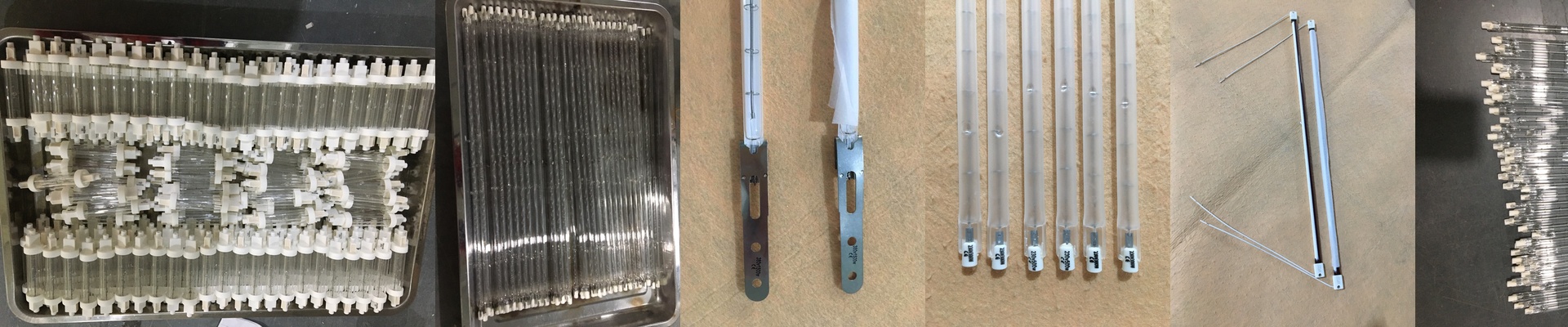
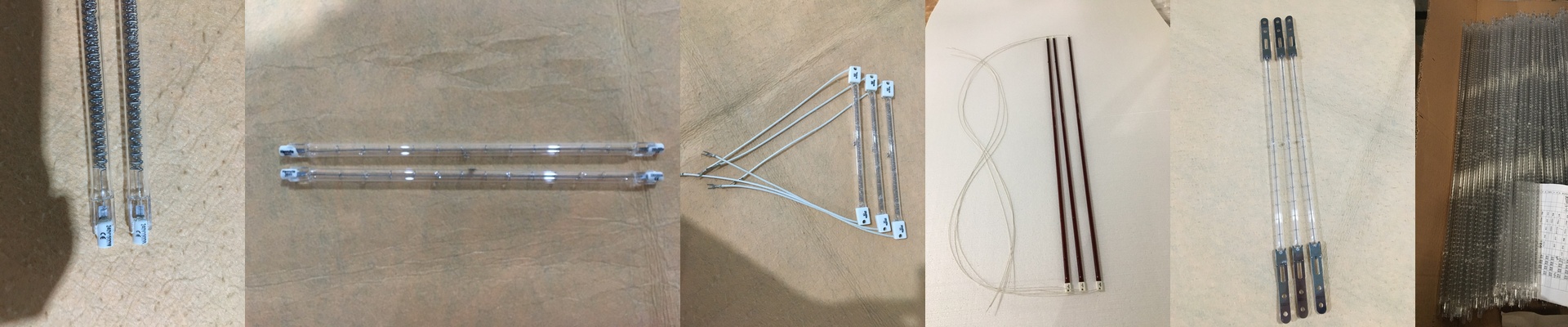
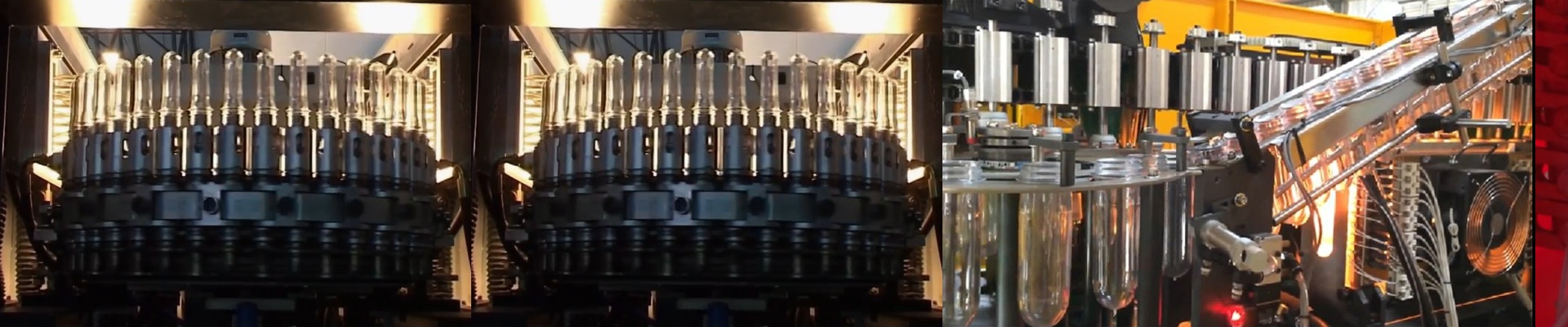
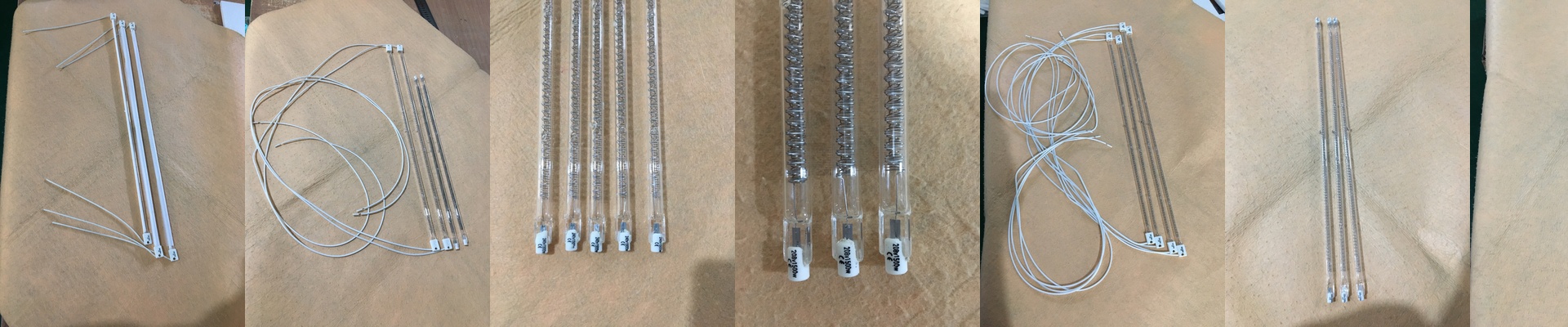
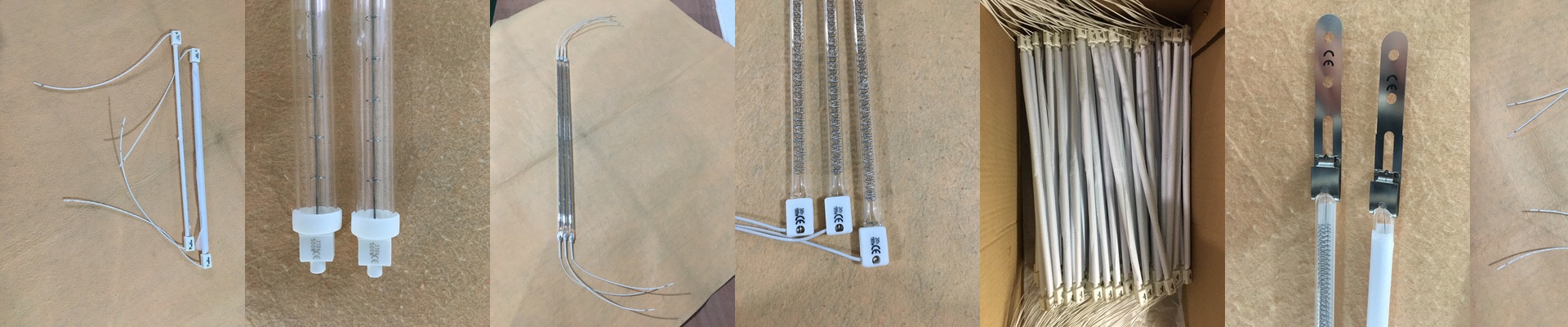
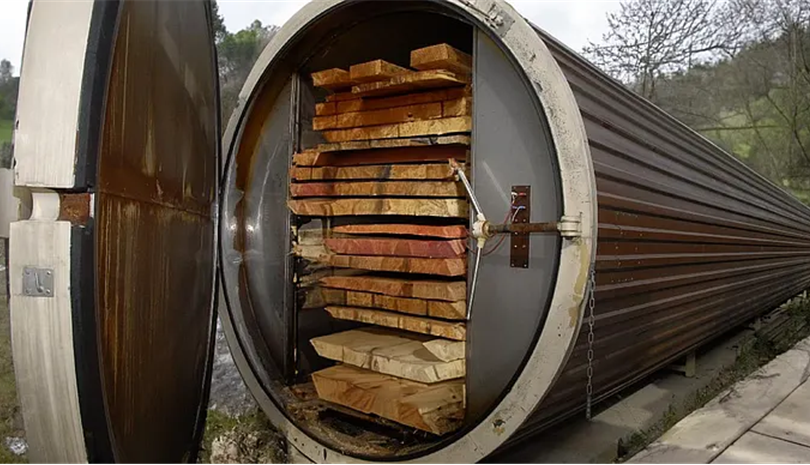
A lot of furniture shops are finally walking away from coal-fired boilers. The push for lower carbon emissions is real, but honestly, it’s as much about cleaning up the shop as it is about the environment. Most of this change is happening where the wood actually dries and cures. Instead of messing around with steam or hot air, people are switching to infrared (IR) heating. Here is the big difference: coal boilers heat up air or water first, and then you hope that heat actually makes it into the wood. It’s a leaky process. You lose heat through the pipes, and you waste forever just waiting for the whole system to warm up. IR is different. It uses radiant energy. Think of it like the sun on your skin—it doesn’t heat the air around you; it heats you. These lamps send waves straight into the wood, shaking up the water molecules and drying them out from the inside. You’re heating the timber, not the warehouse. Depending on what you’re working with, we usually look at two types of emitters. If you’re just curing a top-coat, shortwave lamps are the way to go. They hit the surface fast and hard. But if you need to get deep into the core of the wood to get the moisture out, you’ll want medium-wave. Now, a heads-up on the setup: you’re going to need some serious power. Most of these industrial rigs run on 380V-415V. We do that to keep the current low so you don’t have issues over long cable runs. We also use quartz envelopes because the heat is intense and would melt cheaper materials. Just make sure your control panels can handle that initial “kick” of power when you flip the switch, or you’ll be tripping breakers all morning. Is it perfect? Not quite. IR is “line-of-sight.” That means if your furniture has weird curves, deep pockets, or complex joints, the heat might not hit every spot. You can’t just “fill the room” with heat like you do with a boiler. You have to be precise with where you put the lamps, or use reflectors to bounce the heat into those tricky gaps. Plus, your bills will look different. You’ll stop paying for coal and start paying for electricity. It’s a trade-off. You’ll want to keep an eye on your peak load so the utility company doesn’t hit you with extra surcharges. But on the flip side? Your shop floor gets a lot bigger because you don’t need coal piles or a place to dump ash. It’s cleaner, it’s faster, and it just feels like a more modern way to work.